
Advice
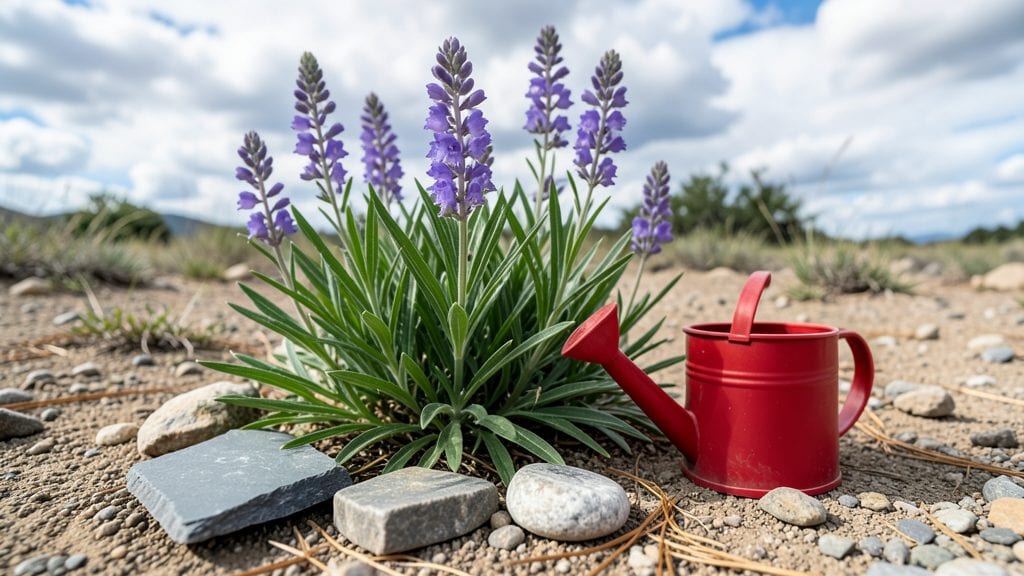
High elevation gardening at 5,000 feet above sea level taught me that altitude isn’t a limitation—it’s a puzzle to solve. The thinner air, colder nights, and shorter growing seasons demand a different approach, but with the right techniques, your garden can thrive where others fail.
I've grown potatoes that outperform store-bought, hardy flowers that bloom until frost, and even delicate herbs that survive the mountain chill.
The secret starts with plant selection: cold-tolerant varieties like barley, quinoa, and alpine flowers handle the altitude better than most. Pair that with well-draining soil loaded with organic matter—think compost and aged manure—and you create the perfect foundation.
Windbreaks made from old fencing or dense shrubs protect tender plants while letting sunlight through. Most importantly, adjust your watering: thinner air means plants lose moisture faster, so check soil daily rather than weekly.
You'll extend your growing season dramatically with simple tools like row covers or cold frames. My tomatoes stay productive until October when I use these, and I've even overwintered greens with a little extra protection. The payoff?
A garden that produces when others in the valley are putting theirs to bed. The key is working with the climate, not against it—once you master these altitude-smart techniques, your high-elevation garden will become the envy of the neighborhood.
This works whether you're in the Rocky Mountains, the Andes, or any high-altitude region. The principles stay the same, only the specifics change. Let's get your mountain garden growing like never before—no matter how high you are.
📚 In This Guide
- What you need
- Instructions
- Tips and common mistakes
- Wrapping up and next steps
What you need
- ● Soil Amendments: Compost (2–3 cubic yards per 100 sq. ft.) – boosts fertility in thin high-altitude soil.
- ● Peat moss or coconut coir (5–10 bags) – improves drainage and water retention.
- ● Perlite or vermiculite (1–2 bags) – aerates compacted soil.
- ● Watering Supplies: Drip irrigation kit (or soaker hoses) – critical for consistent moisture in dry climates.
- ● Rain barrels (1–2) – collects precious water for drought-prone areas.
- ● Water storage containers (5+ gallon jugs) – backup for emergencies.
- ● Plant Protection: Row covers or frost blankets (50–100 sq. ft. coverage) – protects from cold snaps.
- ● Cold-hardy plant varieties (e.g., potatoes, kale, or hardy perennials) – thrives in cooler temps.
- ● Tools: Garden fork (heavy-duty, for breaking up rocky soil).
- ● Pruners (sharp, for frost-prone plants).
- ● pH testing kit – high elevations often have alkaline soil.
- ● Greenhouse or cold frame – extends growing season in short summers.
- ● Mulch (straw or wood chips) – retains moisture and regulates soil temp.
- ● Windbreaks (burlap screens or shrubs) – protects from harsh winds.
- ● Soil warming mats (for early spring) – gives seedlings a head start.
- ● Organic mulch (grass clippings) – free fertilizer!
- ● Site Selection: Choose south-facing slopes for max sunlight.
- ● Soil Test: Adjust pH if needed (ideal: 6.0–7.0).
- ● Microclimate Awareness: High elevations have rapid temp swings—plan accordingly!
Step-by-Step instructions for high elevation gardening
Altitude changes everything—here’s how to adjust your approach for successful gardening above 5,000 feet.
Adjust Plant Selection for Cooler Temperatures
At high elevations, cooler temperatures and shorter growing seasons demand cold-hardy varieties. Choose plants bred for your specific altitude zone—look for labels like "high elevation" or "mountain-adapted." I always opt for shorter-season varieties (like 50-60 day tomatoes) that mature before the first frost. Avoid heat-loving crops unless you extend the season with row covers or cold frames.
For perennials, select native species or those with proven cold tolerance. Lavender, Russian sage, and alpine strawberries thrive where tender annuals struggle. Check your local cooperative extension service for a tailored plant list—what works in Denver may fail in Flagstaff just 100 miles away.
Extend the Growing Season Strategically
High elevation gardens lose 10-15 days of growing season per 1,000 feet of elevation. To compensate, start seeds indoors 4-6 weeks earlier than the packet suggests. Use a seedling heat mat to maintain 70-75°F soil temperatures—critical for germination at cooler ambient temps.
After transplanting, protect young plants with floating row covers or low tunnels until nighttime lows stabilize above 40°F. I’ve found that even a simple black plastic mulch raises soil temps by 5-10°F, giving heat-sensitive crops like peppers an extra month of growth.
Optimize Watering for Thin Air
Air at high elevations holds less moisture, so water evaporates 20-30% faster. Check soil moisture daily—top 2 inches should feel dry before watering deeply. Drip irrigation or soaker hoses work best, delivering water directly to roots where it’s needed most.
Mulch heavily with 3-4 inches of straw or wood chips to retain moisture and regulate soil temperature. Avoid wetting foliage, especially in the evening—this invites fungal diseases like powdery mildew, which thrives in the cooler, drier conditions of mountain climates.
Fertilize for Nutrient Uptake Challenges
Cooler soils slow microbial activity, meaning nutrients break down more slowly. Use a balanced, slow-release fertilizer (like 10-10-10) at planting, then top-dress with compost midseason. I’ve had the most success with fish emulsion or seaweed extract—these stimulate root growth in cold soils where uptake is sluggish.
Avoid high-nitrogen fertilizers late in the season. They promote leafy growth at the expense of fruit production, and your plants need all their energy focused on maturing before frost. Side-dress with compost 6-8 weeks before harvest for a gentle nutrient boost.
Protect Plants from Harsh Conditions
High elevation gardens face stronger UV rays, increased wind, and rapid temperature swings. Shield delicate plants with windbreaks (like burlap screens) and provide afternoon shade during peak summer months. I’ve seen tomato plants scorch in full sun above 7,000 feet—a simple lattice trellis with shade cloth saves the crop.
Monitor for late frosts well into May. Keep a frost cloth on hand and be ready to cover tender plants on nights when temps drop below 32°F. Even established perennials benefit from a lightweight row cover during unexpected cold snaps—it’s better to prevent damage than treat it later.
Tips & tricks for high elevation gardening success
Gardening at high elevations comes with unique challenges, but these proven strategies will help you beat the odds and grow a thriving garden.
The Altitude Adjustment: When selecting seeds, pay close attention to the days-to-maturity labels. In Step 1, those 50-60 day tomatoes become 60-70 day tomatoes at 6,000 feet—every 1,000 feet above 5,000 feet adds about 3-5 days to your growing season. I've found that varieties labeled "cool season" or "short season" are your best bet, especially for crops like lettuce and spinach that bolt quickly in warmer conditions.
Seed Starting Secrets: In Step 2, that 4-6 week early start is crucial, but don't rush the process. Use a seedling heat mat to maintain those critical 70-75°F soil temperatures—cooler soils delay germination by days or even weeks. I've learned the hard way that impatient gardeners often end up with weak, leggy seedlings that struggle to transplant. Keep seedlings under grow lights until they've developed their first true leaves before moving them to cooler conditions.
Watering Wisdom: The 20-30% faster evaporation rate mentioned in Step 3 means you'll need to water more frequently than at lower elevations. I've established a simple system: check soil moisture in the morning before watering. If the top 2 inches feel dry, it's time—if they're still moist, wait another day. This prevents overwatering while ensuring roots get the moisture they need. For container gardens, you might need to water twice daily during hot afternoons.
Frost Protection: That 32°F threshold in Step 5 is your warning line. I've developed a frost watch system using my phone's weather app with alerts set for temperature drops below 35°F. When frost is predicted, I cover tender plants with frost cloth at dusk and remove it when morning temperatures rise above freezing. For sensitive plants like tomatoes, I've found that even a single night below 32°F can set back growth by weeks.
Pro Tips for High Elevation Gardening
- Gardening at high elevations comes with unique challenges, but these proven strategies will help you beat the odds and grow a thriving garden.
- The Altitude Adjustment: When selecting seeds, pay close attention to the days-to-maturity labels.
- Seed Starting Secrets: In Step 2, that 4-6 week early start is crucial, but don't rush the process.
Frequently asked questions
Got questions about high elevation gardening?
You’re not alone—altitude can change the game for plants! Here are answers to the most common concerns to help you grow like a pro at higher elevations.
How does elevation affect planting times?
Higher elevations mean cooler temps, so wait until after the last frost (often 2–4 weeks later than lowland areas). Use a soil thermometer—roots need 40–50°F (4–10°C) for consistent germination. Hardy crops like peas and spinach can handle cooler soil, while tomatoes and peppers need warmth.
What are the best plants for high elevation gardens?
Stick with cold-hardy, fast-maturing varieties like:
- Leafy greens (kale, Swiss chard)
- Root veggies (carrots, radishes)
- Brassicas (broccoli, cabbage)
- Hardy herbs (parsley, cilantro)
How often should I water high-elevation gardens?
Water more frequently but less deeply—thin air increases evaporation. Check soil moisture daily in peak summer; aim for 1–1.5 inches per week (including rain). Mulch heavily (straw or wood chips) to retain moisture and regulate soil temp. Drip irrigation works best to avoid wind damage.
Can I use regular potting soil at high elevations?
No! High-altitude soil drains faster and lacks organic matter. Amend with compost, peat moss, or coconut coir to improve water retention. For containers, mix 50% potting soil + 50% perlite/vermiculite to prevent compaction. Test soil pH—it often runs alkaline at high elevations; add sulfur if needed for acid-loving plants.
How do I protect plants from late frosts?
Use row covers, cloches, or cold frames to shield tender seedlings. Plant heat-loving crops (like tomatoes) in black plastic mulch to warm soil faster. Avoid planting too early—wait until nighttime temps stay above 50°F (10°C). Succession planting in stages minimizes frost risk.
What’s the best way to extend the growing season?
Try season extenders like:
- Cold frames (passive solar heating)
- Low tunnels (cover crops with hoop houses + row fabric)
- Greenhouses (even small ones add 10–15°F warmth)
Wrapping up and next steps
High elevation gardening isn’t just possible—it’s rewarding when you embrace the right strategies! From selecting hardy plants to adjusting your soil and watering routines, these altitude-smart techniques can help you grow a lush, thriving garden even at 10,000 feet and beyond. 🌱✨
Ready to take the next step? Start small—try a few cold-hardy crops or herbs in containers to test your elevation’s unique conditions. With patience and persistence, you’ll soon be harvesting fresh, homegrown goodness no matter how high you live!