
Tools
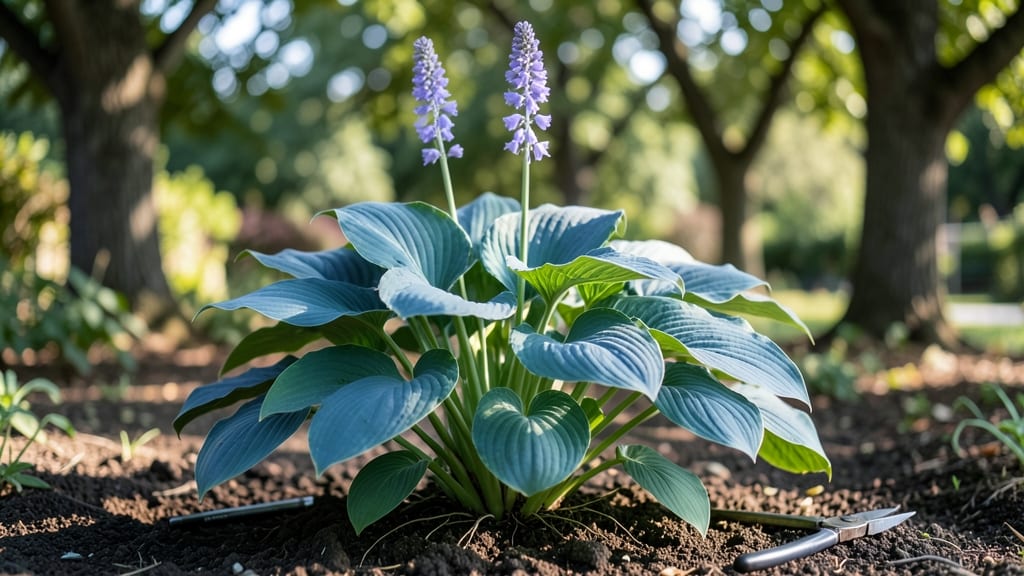
These hosta garden images will make you crave the kind of lush shade garden that leaves neighbors asking how you pull it off—layering deep purples, chartreuse, and even varieties that shift with the seasons. striking variegation as they mature.
The secret isn’t just planting them; it’s arranging them so their foliage tells a story across the seasons.
You don’t need a sprawling yard to make hostas work—containers, borders, and woodland-style plantings all showcase their versatility. Pair bold blue-green varieties like ‘Blue Angel’ with delicate ferns for contrast, or let the golden edges of ‘Francee’ catch the dappled light.
The key is grouping plants by height and color intensity to create depth, while leaving enough space for their leaves to unfurl without competition.
What you’ll end up with is a garden that thrives even when others struggle—hostas handle shade like champions, their leaves staying vibrant long after spring bulbs fade. The drama comes from their sheer presence: velvety textures, jewel-toned hues, and that unmistakable hosta glow when sunlight filters through.
Once you see how they transform a shady corner, you’ll want them everywhere.
Whether you’re sketching a layout or browsing nursery photos, look for images that show hostas in context—how they interact with other plants, how their colors shift in different lighting, and how their size changes throughout the season.
That’s where the real inspiration lies, and where your own shade garden will start to take shape.
📚 In This Guide
- What you need
- Instructions
- Tips and common mistakes
- Wrapping up and next steps
What you need
- ● Hosta plants – Choose 5–10 varieties (e.g., Hosta 'Blue Angel', Hosta 'Francee', or Hosta 'Guacamole') based on size (small, medium, large) and foliage colors.
- ● High-quality topsoil – 1–2 cubic yards (depending on garden size), amended with compost (20–30% organic matter).
- ● Organic mulch – 2–3 inches of shredded bark or wood chips (e.g., cedar or pine) to retain moisture and suppress weeds.
- ● Garden gloves – A pair of durable, breathable gloves (e.g., Fellex or Gloves USA) to protect your hands.
- ● Hand trowel – A sturdy, 6–8" trowel for planting and soil adjustments.
- ● Garden hose or watering can – With a gentle spray nozzle for even watering.
- ● Pruners – Sharp, bypass pruners (e.g., Felco) for trimming dead foliage or dividing clumps.
- ● Measuring tape – A 10–15 ft tape to plan spacing (hostas need 12–36" apart, depending on variety).
- ● Slow-release fertilizer – Balanced (10-10-10) or hosta-specific (e.g., Espoma) to boost growth.
- ● Garden edging – Metal or plastic strips to define beds and keep mulch in place.
- ● Decorative stones or pebbles – For pathways or accent borders (e.g., slate or river rocks).
- ● Garden stakes or labels – To track hosta varieties and planting dates.
- ● Shade cloth – Lightweight (30–50% coverage) for newly planted hostas in hot climates.
- ● Garden kneeler – For comfort during planting and maintenance.
How to design a stunning hosta garden for year-round shade appeal
Here’s how to create a lush, low-maintenance hosta garden that thrives in shade and delivers bold foliage all season.
Choose Hostas With Contrasting Colors and Textures
Start by selecting hostas with varied leaf shapes, colors, and sizes to create visual interest. Pair broad-leaved varieties like 'Blue Angel' with narrow, upright types such as 'Halcyon'. I like to group 3-5 plants per variety in clusters of 3-5 plants each to create a natural, layered look. Place taller varieties toward the back and shorter ones in the front for depth.
Consider the mature size of each hosta—some can reach 2 feet wide, while others stay compact at 1 foot. This ensures no plant feels crowded. For example, 'Francee' with its golden edges contrasts beautifully with deep purple 'Royal Standard'. Mixing textures—like the wavy edges of 'Guacamole' with the smooth leaves of 'Patriot'—adds dimension.
Prepare the Soil for Shade-Loving Hostas
Hostas thrive in well-draining, rich soil that stays consistently moist but never soggy. Amend your existing soil with 2-3 inches of compost to improve fertility and drainage. I avoid heavy clay soil because it can suffocate roots—if yours is dense, mix in 1 part perlite to 3 parts soil to lighten it up.
Test the pH of your soil—hostas prefer a slightly acidic to neutral range of 6.0 to 7.0. If your soil is too alkaline, add sulfur or peat moss to lower the pH gradually. Hostas are forgiving, but they’ll reward you with brighter foliage and fewer pests when growing in ideal conditions.
Plant Hostas in Strategic Layers for Depth
Dig holes twice as wide as the root ball but only as deep as the container. This encourages roots to spread outward rather than settling too low. Space plants 12-24 inches apart, depending on their mature size—closer for dwarf varieties, farther for large ones. I plant in odd-numbered clusters (3, 5, or 7 plants) to create a natural, flowing look.
Place the largest hostas at the back of the border and smaller ones toward the front. For example, a 2-foot-tall 'Sum and Substance' can anchor the back row, while 1-foot 'June' adds delicate texture in front. Water deeply after planting to settle the soil and remove any air pockets around the roots.
Mulch and Maintain for Long-Term Beauty
Spread 2-3 inches of organic mulch, like shredded bark or wood chips, around each plant to retain moisture and suppress weeds. Keep mulch 2 inches away from the crown to prevent rot. Hostas appreciate consistent moisture, so water 1-2 times per week during dry spells, aiming for 1 inch of water per week. You’ll know they’re happy when leaves stay plump and vibrant—wilting or yellowing means they need more water.
Fertilize lightly in early spring with a balanced, slow-release fertilizer (10-10-10) to encourage fresh growth. Avoid over-fertilizing—hostas are low-maintenance and can scorch in rich soil. Deadhead spent flowers in late summer to redirect energy into foliage rather than seed production.
Add Complementary Shade Plants for Texture
Enhance your hosta garden by pairing it with other shade-tolerant plants like ferns, astilbes, or heucheras. These add height, color, and seasonal interest without competing with hostas. For example, Japanese painted ferns with their lacy fronds contrast beautifully with broad hosta leaves. Place taller plants like astilbes behind hostas and lower-growing heucheras in front.
Consider adding ground covers like sweet woodruff or ajuga to fill gaps and prevent weeds. These plants thrive in the same conditions as hostas and create a cohesive, layered look. Step back occasionally to check for bare spots or overcrowding—hostas spread slowly, but you may need to divide clumps every 3-5 years to keep them vigorous.
Tips & tricks for creating a stunning hosta garden
Creating a showstopping hosta garden isn't just about planting—it's about layering textures, colors, and strategic placement for maximum impact. Here are my go-to tricks to elevate your design from ordinary to extraordinary.
Color and Texture Pairing: When selecting hostas in Step 1, focus on creating visual "conversations" between plants. For instance, pair the deep purple 'Royal Standard' with the golden-edged 'Francee' to create natural contrast. I also recommend including one variegated variety like 'Patriot'—its creamy centers and green edges add unexpected visual interest that draws the eye. The key is to group plants with similar leaf textures together while varying colors across clusters to keep the eye moving.
Soil Preparation Shortcut: In Step 2, if you're working with heavy clay soil, don't just add perlite—mix in a handful of worm castings along with the perlite. The worm castings improve soil structure while adding beneficial microbes that help hostas thrive. Another pro tip: test your soil's moisture retention by squeezing a handful—if it forms a tight ball, it's too dense. Aim for soil that holds together lightly but crumbles when touched.
Planting Layout Secret: For the strategic layering in Step 3, think about your garden's "reading level"—just like a book, you want to guide the viewer's eye from back to front. Place your tallest hostas (like 'Sum and Substance') at the back, then create a gradual descent with medium-height varieties (like 'Blue Angel'), and finish with low-growing types (like 'June') in the front. This creates depth while making the space feel more expansive. I also recommend leaving 6-12 inches of space between clusters to allow for future growth.
Maintenance Hack: When mulching in Step 4, use a mix of shredded bark and leaf mold for the best results. The bark provides long-term moisture retention while the leaf mold adds nutrients as it breaks down. And here's a trick I learned the hard way: never pile mulch against the stems. Keep it 2 inches away to prevent rot—this simple adjustment can save your plants from crown rot, which is often caused by too much moisture at the base.
Pro Tips for Hosta Garden Images
- Creating a showstopping hosta garden isn't just about planting—it's about layering textures, colors, and strategic placement for maximum impact.
- Color and Texture Pairing: When selecting hostas in Step 1, focus on creating visual "conversations" between plants.
- Soil Preparation Shortcut: In Step 2, if you're working with heavy clay soil, don't just add perlite—mix in a handful of worm castings along with the perlite.
Frequently asked questions
Got questions about creating your dream hosta garden?
You’re not alone! Here are answers to the most common queries—from planting tips to troubleshooting—so you can dive in with confidence.
When is the best time to plant hostas?
The ideal window is early spring or early fall when soil is workable but not freezing. Planting in spring lets roots establish before summer heat, while fall gives them time to settle before winter. Avoid extreme temperatures—hostas hate being transplanted in scorching sun or icy ground!
How do I keep slugs and snails from eating my hostas?
These slimy pests love hostas! Try these tricks:
- Beer traps: Bury a shallow dish filled with beer near plants—slugs crawl in and drown.
- Copper barriers: Install copper tape around pots or garden edges; it gives them a mild electric shock.
- Diatomaceous earth: Sprinkle food-grade DE around foliage (reapply after rain).
- Handpick at night: Use a flashlight to spot and remove them (gross but effective!).
Can I grow hostas in containers? If so, what’s the best setup?
Hostas thrive in 12–18-inch pots with well-draining soil and a 50/50 mix of potting soil and compost. Choose containers with drainage holes, and opt for larger varieties (like ‘Sum and Substance’) for small spaces. Move pots to partial shade in summer and protect from harsh winter winds.
How long does it take for hostas to mature and fill out?
Patience pays off! Hostas grow slowly but steadily—expect noticeable growth in 2–3 years for full, lush foliage. Smaller varieties may fill a pot in 1–2 years, while giant types (like ‘Blue Angel’) take 3–5 years to reach their dramatic size. Mulch annually to speed up the process!
What are some low-maintenance hosta alternatives for busy gardeners?
If hostas need too much attention, try these equally shade-tolerant but fuss-free plants:
- Ferns (e.g., ‘Maidenhair’ or ‘Ostrich’) – Thrives in damp shade, minimal care.
- Hellebores (‘Lenten Rose’) – Blooms early, deer-resistant, and nearly indestructible.
- Astilbe – Feathery plumes add texture with little effort.
- Sweet woodruff – Ground cover with fragrant foliage and tiny white flowers.
Why are my hosta leaves turning yellow or brown?
Yellowing or browning can signal overwatering, underwatering, or pests. Check these fixes:
Too wet? Ensure pots/containers drain well and soil isn’t soggy.
Too dry? Hostas prefer consistently moist (not soggy) soil—mulch helps retain moisture.
Pests? Inspect undersides of leaves for slugs, aphids, or fungal spots (treat with neem oil).
Sunburn? If edges crisp in summer, move to more shade.
Wrapping up and next steps
Transforming your garden into a hosta haven is all about embracing patience, creativity, and a love for lush foliage! 🌿 Whether you’re a seasoned gardener or just starting, these shade-loving layouts offer year-round drama with minimal effort.
Now that you’re inspired, grab your gardening gloves and sketch out your dream design—or snap a few photos of your favorite hosta combos for reference.
Ready to dive deeper? Browse our curated hosta garden images gallery for more ideas or explore plant pairing tips to elevate your shade garden game!