Trees
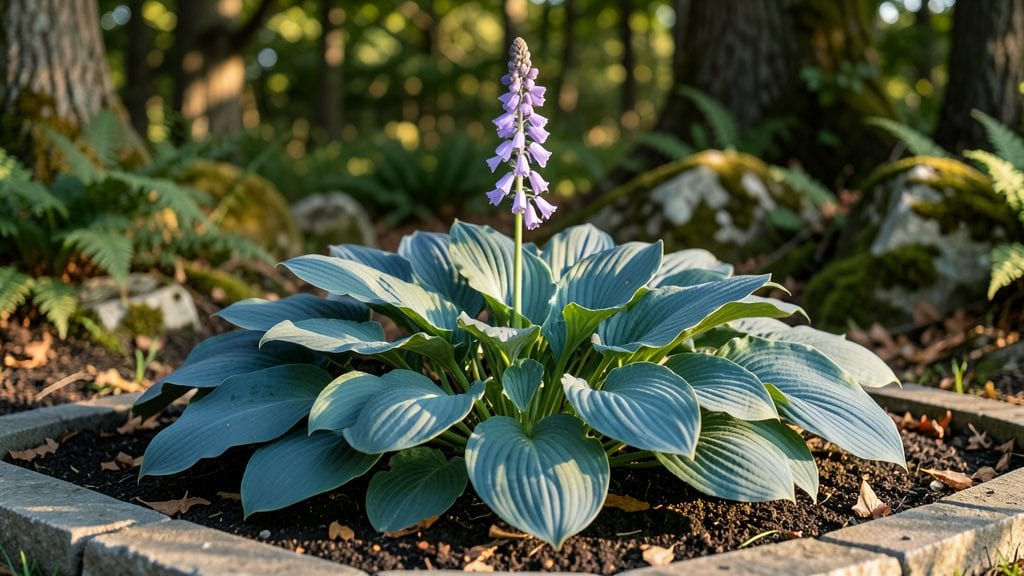
Hosta gardens pictures reveal how layered shade plantings transform dull corners into vibrant, textured landscapes. By combining broadleaf hostas with ferns, heucheras, and evergreens like boxwood, you create dynamic depth and seasonal interest. Organic mulch keeps moisture in while emphasizing the lush, dimensional look.
The magic of these gardens lies in their ability to play with height and color—tall hostas like 'Sum and Substance' anchor the back, while low-growing varieties like 'Blue Mouse Ears' spill forward. 🌿 Pairing variegated hostas with deep-green heucheras creates striking contrast, while adding blooming companions like astilbes introduces seasonal pops.
I've seen the best designs use boulders or gravel paths to break up the foliage sea, adding another dimension to the visual layers.
What really sets these gardens apart is how they perform year-round: hostas stay evergreen (or semi-evergreen) through winter, while companions like ferns and hydrangeas offer different textures in every season.
The key is starting with moisture-retentive soil and a good mulch layer—this keeps the plants thriving even when summer heat arrives. For maximum impact, I recommend grouping plants in odd-numbered clusters (3, 5, or 7) to create natural focal points that draw the eye through the garden.
💡 In This Article
- Designing Multi-Layered Shade Gardens with Hostas
- Best Hosta and Companion Plant Pairings for Shade
Designing multi-layered shade gardens with hostas
Creating depth in shade gardens starts with understanding how hosta varieties differ in size and form. Tall hostas like 'Sum and Substance' (reaching 3-4 feet tall) make perfect backdrops, while dwarf varieties such as 'Blue Mouse Ears' (just 6-8 inches tall) spill forward like living ground covers.
The key is arranging them in three-dimensional clusters—place the tallest at the back, medium-height in the middle, and low-growing varieties at the front. This creates a natural staircase effect that guides the eye through the garden.
Color theory plays a crucial role in making foliage pop. Variegated hostas with yellow or white edges ('Francee' or 'Guacamole') contrast beautifully against deep green heucheras like 'Palace Purple'.
The human eye perceives these contrasting colors as more vibrant due to the simultaneous contrast effect—where adjacent colors appear more intense when placed next to their complementary hues.
For example, pairing a chartreuse hosta with a deep burgundy heuchera creates a visual "pop" that feels more dynamic than using similar shades together.
Seasonal interest keeps the garden lively year-round. While hostas provide evergreen (or semi-evergreen) foliage, adding spring bloomers like bleeding hearts (Dicentra spectabilis) or summer-flowering astilbes introduces temporary color bursts.
The Japanese painted fern (Athyrium niponicum) adds delicate lace-like texture in late summer, while winter interest comes from evergreen shrubs like inkberry holly (Ilex glabra) or boxwood. This layered approach ensures your garden has something to offer in every season, even when hostas aren't actively growing.
Structural elements like boulders or decorative stones add another dimension to the design. Large river rocks placed strategically can break up the sea of foliage, creating visual "breathing room" while adding a natural, organic feel.
For example, a single 12-18 inch boulder placed among hostas and ferns becomes a focal point that draws attention upward. Alternatively, a winding gravel path can lead visitors through the garden, enhancing the layered effect by providing movement and perspective.
Soil moisture and temperature regulation are critical for maintaining these layered plantings. Hostas thrive in well-draining but moisture-retentive soil with a pH between 6.5 and 7.5. Organic mulch (like shredded bark or leaf mold) helps maintain consistent soil temperatures and reduces water evaporation.
In hot climates, mulch can keep soil temperatures 5-10°F cooler than exposed soil, which is essential for shade-loving plants that prefer cooler roots. This creates a microclimate that mimics the dappled light conditions hostas naturally grow under in forests.
What most gardeners don't realize is how plant placement affects airflow and disease prevention. Tall hostas at the back allow air to circulate through the garden, reducing humidity levels that can lead to fungal issues like hosta rust.
Meanwhile, low-growing varieties at the front protect the soil surface from drying out while still allowing rainwater to penetrate. This thoughtful arrangement isn't just about looks—it's about creating a healthy ecosystem where each plant supports the others.