
Picking
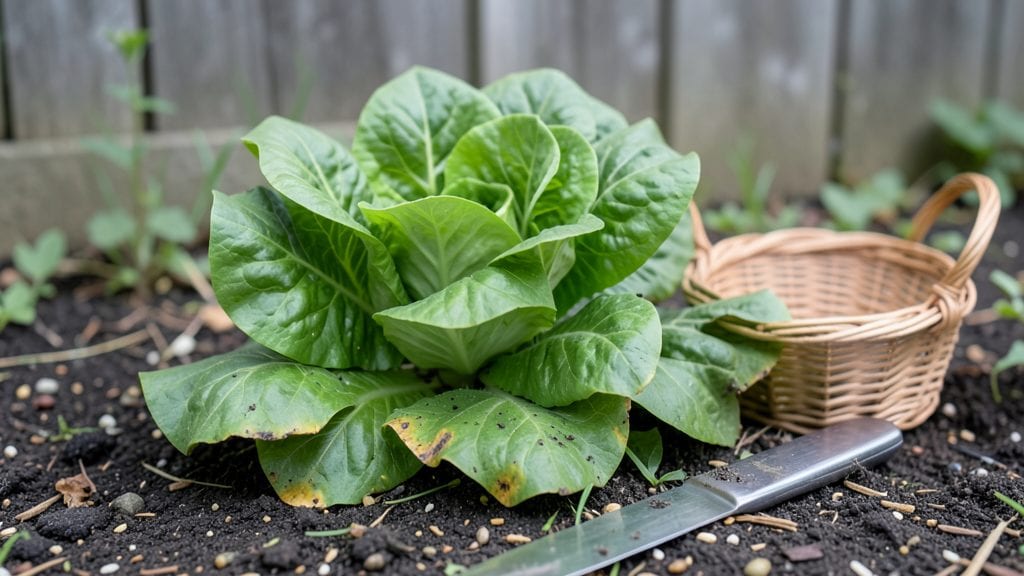
Picking romaine lettuce at the perfect moment turns your garden into a crisp, tender salad factory—here’s how to do it right. 🌱 The key is timing: harvest when the heads reach 8–12 inches tall, with firm, upright stems but before they bolt or get bitter.
I’ve learned the hard way that waiting too long means tough leaves and wasted plants.
Grip the base of the stem firmly but gently, using one hand to support the head while cutting with clean shears or a sharp knife. Never yank—this damages the roots and stops regrowth.
For baby leaves, snip the outer leaves instead, leaving the center to keep growing. A cool, cloudy morning is ideal for harvesting to preserve crispness.
After picking, rinse the lettuce under cool water to remove dirt, then pat dry with a clean towel or salad spinner. Store in a plastic bag with a paper towel to absorb moisture, and keep it in the fridge for up to 5–7 days.
The first harvest will feel like a victory—each head you pick means more tender leaves to come.
Romaine loves regrowth if you leave 2–3 inches of stem after cutting. With proper care, you’ll get 2–3 harvests per plant before it peters out. Now go enjoy that fresh, homegrown crunch!
📚 In This Guide
- What you need
- Instructions
- Tips and common mistakes
- Wrapping up and next steps
What you need
- ● Sharp pruning shears or garden scissors – Choose a pair with stainless steel blades (to prevent rust) and a comfortable grip (4-6 inch blades work best). Pro tip: Sanitize them with rubbing alcohol before use to avoid spreading disease! 💡
- ○ Gloves (optional but recommended) – Wear nitrile or cotton gardening gloves to protect your hands from dirt, thorns (if your garden has them), or sap. Bonus: They keep your lettuce cleaner too!
- ● Harvesting basket or large bowl – A shallow, breathable container (like a woven basket or colander) prevents bruising. Avoid plastic bags—they trap moisture and speed up spoilage. 🌡️
- ● Spray bottle with water – A 16-ounce misting bottle helps refresh wilted leaves and keeps your lettuce crisp during harvest.
- ● Kitchen knife or sharp knife (for trimming) – A serrated or chef’s knife (8-inch blade) for post-harvest trimming if needed.
- ● Pruning saw or serrated knife – For cutting through thick, woody stems if your romaine has matured.
- ● Food-safe sanitizer (e.g., diluted bleach or vinegar) – For cleaning tools between harvests.
- ● Harvesting tray with dividers – Keeps different varieties of lettuce separated if you grow multiple types.
- ● Sun hat and sunscreen – Because even picking lettuce can be a sunny day job! ☀️
Step-by-Step guide to harvesting romaine lettuce at peak tenderness
Here's how to pick your homegrown romaine with crisp stems and delicate leaves that stay fresh longer.
🌿 Step 1: Check for Optimal Maturity
Romaine reaches peak tenderness when the outer leaves measure 8-10 inches long and the core remains firm but yields slightly when pressed. The leaves should be deep green with crisp edges—if they feel rubbery or start bolting (forming flower stalks), you've waited too long. I always check maturity in the morning when leaves are coolest and most hydrated.
Run your thumb along the base of the outer leaves to test crispness. If they snap cleanly with a slight resistance, they're ready. Avoid harvesting when the soil is wet—this weakens stems and invites rot. The best time to pick is after a light morning watering when leaves are dry but still plump.
✂️ Step 2: Harvest Outer Leaves First
Use a sharp pair of kitchen shears to snip the outer 3-4 leaves at the base, cutting just above the soil line. This method encourages the inner leaves to mature while giving you continuous harvests. Never pull leaves—this can uproot the plant or damage tender stems. I like to leave the inner core intact so the plant keeps producing for weeks.
After harvesting, rinse the leaves gently under cool water to remove dirt, then pat dry with a clean towel. Place them in a perforated plastic bag in the fridge for up to 5 days—this keeps them crisp longer than storing in airtight containers. If you see yellowing at the base, that's normal and just means the leaf is done contributing.
🌱 Step 3: Harvest the Whole Head When Ready
If your romaine is fully mature (12-14 inches tall with a thick core), it's time to harvest the whole plant. Grip the base firmly and twist gently until the head pulls free. The roots should come up easily—if they resist, the plant isn't ready yet. Cut the stem just above the soil line to avoid leaving stumps that rot.
For larger heads, I like to cut them into 1-inch thick sections and store them separately. This prevents the outer leaves from wilting before you use the inner core. After harvesting, water the base lightly to encourage regrowth. With proper care, a single romaine plant can produce 3-4 full heads over its growing season.
💧 Step 4: Maintain the Plant After Harvesting
After harvesting, remove any yellowed or damaged leaves to improve airflow. Water the plant deeply (about 1 inch of water) to replenish moisture lost during harvest. Mulch around the base with 1 inch of straw to retain soil moisture and prevent weeds. I've found that harvesting in the early morning reduces stress on the plant and keeps leaves crisp.
If your romaine starts to bolt (forming a tall flower stalk), it's time to harvest the entire plant. Bolted lettuce becomes bitter, but you can still use the leaves in salads or cook them to mellow the flavor. To prevent bolting, keep the soil consistently moist and provide partial shade during hot afternoons. With proper care, your romaine will keep producing tender leaves for 6-8 weeks after planting.
Tips & tricks for perfect romaine lettuce harvesting
A few simple tricks will help you harvest crisp, tender romaine leaves that stay fresh longer and keep your plants producing for weeks.
Timing is Everything: I can't emphasize this enough—harvesting in the early morning is key. The leaves are coolest and most hydrated, which means they'll be at their crispest. I always check maturity right after a light morning watering when the soil is damp but the leaves are dry. This timing gives you the perfect balance of tenderness and crispness. If you must harvest later in the day, do it in the shade to prevent wilting.
The Right Tools Make All the Difference: Never use your fingers or dull scissors to harvest romaine. A sharp pair of kitchen shears is your best friend here—it gives you clean cuts just above the soil line without crushing the stems. I've ruined more lettuce than I can count by using dull tools that tear the leaves. Pro tip: Keep a small pair of shears dedicated just to your garden harvests for the cleanest cuts every time.
Storage Secrets for Maximum Freshness: That perforated plastic bag trick in Step 2 is a game-changer for keeping romaine crisp. The holes allow for just enough airflow to prevent condensation while maintaining humidity. I've found that storing leaves upright in a jar with just an inch of water in the bottom (like a bouquet) works even better—it keeps them fresh for up to a week! Just be sure to change the water every couple of days.
Reviving Wilted Leaves: If your romaine does start to wilt, don't toss it! Place the base in a glass of cool water and refrigerate for 2-3 hours. The leaves will often perk right up. This works especially well for larger heads that you've cut into sections. It's like giving your lettuce a quick spa treatment to bring back that crisp texture.
Pro Tips for How Do You Pick Romaine Lettuce From The Garden
- A few simple tricks will help you harvest crisp, tender romaine leaves that stay fresh longer and keep your plants producing for weeks.
- Timing is Everything: I can't emphasize this enough—harvesting in the early morning is key.
- The Right Tools Make All the Difference: Never use your fingers or dull scissors to harvest romaine.
Frequently asked questions
Got questions about harvesting your homegrown romaine? Here are answers to the most common ones—so you can enjoy crisp, perfect lettuce every time!
When is the best time to pick romaine lettuce?
Harvest romaine when the outer leaves are at least 6–8 inches tall and the head feels firm but slightly yielding. For baby romaine, pick when leaves are 4–6 inches long. Morning harvests (after dew dries but before heat sets in) keep lettuce crispest!
How do I know if romaine is ready to harvest?
Check for these signs:
- Leaf size: Outer leaves should be 6–12 inches long, with a tight, upright head.
- Color: Deep green (not yellowing or browning).
- Texture: Crisp stems and tender but firm leaves.
If the core starts loosening or leaves bolt (send up flower stems), it’s past prime!
What if my romaine tastes bitter? Can I still use it?
Bitter flavor usually means the lettuce is bolting (going to seed) due to heat or age. Cut the outer leaves first to salvage the rest—younger inner leaves stay milder. For future crops, harvest early or shade plants in hot climates to delay bolting.
Can I pick romaine leaf by leaf, or do I need to harvest the whole head?
Yes! Romaine thrives with cut-and-come-again harvesting. Snip outer leaves 1–2 inches from the base, leaving the inner core. The plant will regrow—just avoid taking more than ⅓ of the head at once. Perfect for continuous harvests!
What if my romaine gets too tall or leggy before harvesting?
Leggy romaine often means it’s stretching for light. Thin seedlings to 12–18 inches apart when young, and use shade cloth (30–50%) in hot weather. For existing plants, top-dress with compost to encourage bushier growth and harvest sooner.
Wrapping up and next steps
Picking romaine lettuce from your garden is a rewarding experience that brings fresh, crisp flavors straight to your table! Remember to harvest at the right time—when leaves are firm yet tender—and use clean tools to avoid damage.
With these tips, you’ll enjoy a bountiful harvest and delicious homegrown greens all season long. 🌱
Now that you’re ready to pick, why not share your success? Try swapping your harvest with neighbors or whipping up a fresh salad to celebrate your gardening wins. Happy harvesting! 🥗✨