
Advice
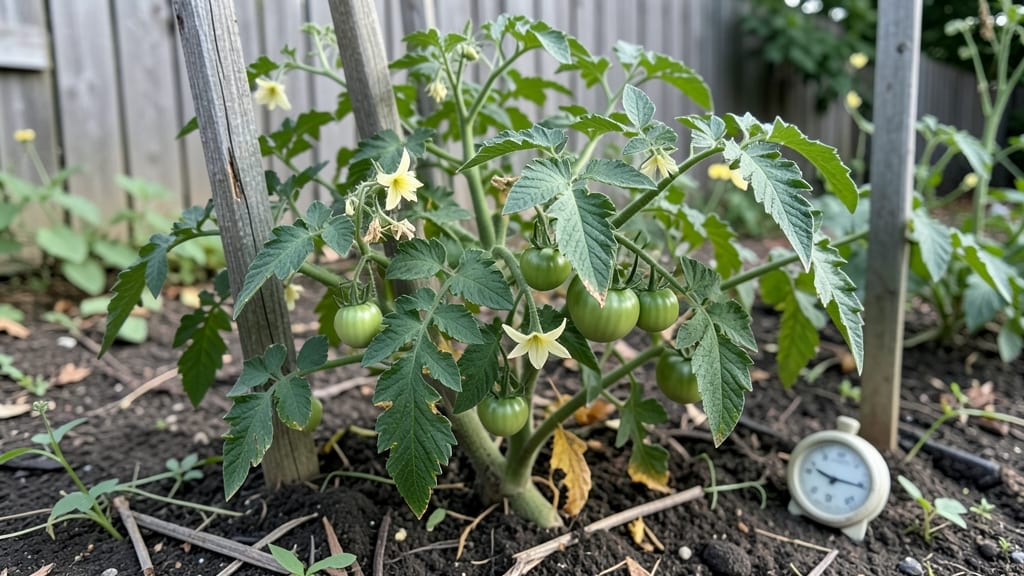
How long it takes a garden to grow depends entirely on what you're planting: fast-growing vegetables like radishes sprout in 3-4 weeks, while perennials such as lavender take 1-2 years to mature fully. Flowers like marigolds bloom in 6-8 weeks, but trees or shrubs may require 3-5 years for significant development. Soil, climate, and care directly impact timelines.
Understanding these timelines helps you plan your garden more effectively. For instance, leafy greens like spinach can be harvested in 4-6 weeks, while root vegetables such as carrots take 70-80 days to reach maturity.
Meanwhile, perennial herbs like rosemary or thyme establish roots in their first year but won't produce abundant harvests until their second or third year.
The key is matching your planting schedule to your climate zone and expected frost dates—this ensures you're not left with half-finished plants when cold weather arrives. 🌱
What's interesting is how microclimates within your garden can create variations in growth rates. A sunny south-facing bed might yield faster results for heat-loving plants like tomatoes, while shaded areas could extend the growing season for cool-weather crops.
I always recommend testing your soil's pH and nutrient levels before planting—this simple step can cut weeks off your growth timeline by ensuring plants have everything they need to thrive from day one.
💡 In This Article
- Vegetable, Flower, and Perennial Growth Cycles Explained
- Speeding Up Garden Growth: Pro Tips for Faster Results
Vegetable, flower, and perennial growth cycles explained
Every plant follows a predictable growth cycle with four key stages: germination, vegetative growth, flowering, and fruiting (or seed production). The speed through these stages varies dramatically based on the plant's biology.
For example, lettuce completes its 30-50 day cycle by transitioning from seed to harvestable leaves in just 6-8 weeks, while an oak tree takes 10-20 years to produce its first acorns.
The difference lies in their genetic programming—annuals focus energy on rapid reproduction, while perennials invest in long-term survival structures like deep roots.
Temperature is the most critical accelerator or inhibitor of growth. Most vegetables thrive in 60-75°F soil temperatures, where enzymes break down nutrients at optimal rates. Marigolds, for instance, germinate in 5-10 days when soil stays above 65°F, but may take 3-4 weeks in cooler 50°F conditions.
Perennials like lavender actually prefer cooler 55-65°F temperatures during establishment, which is why they grow slower in hot climates where they become stressed.
Sunlight follows similar rules—tomatoes need 6-8 hours of direct sun daily to mature in 70-85 days, while shade-tolerant hostas take 2-3 years to reach full size with just 4-6 hours of light.
The soil's physical and chemical properties create another layer of complexity.
Sandy soils drain too quickly, forcing plants to work harder to access water and nutrients, while clay soils can suffocate roots by restricting oxygen flow. Radishes, which mature in 3-4 weeks, actually prefer loose, well-draining soil where their roots can expand rapidly.
In contrast, asparagus crowns need 2-3 years to establish thick, fibrous roots in rich, slightly alkaline soil with a pH of 6.5-7.5. The texture of the soil affects moisture retention too—loamy soil holds 25-30% water by volume, creating ideal conditions for consistent growth.
Here's what's actually happening at the cellular level: Plant growth hormones like auxin and gibberellins regulate cell division and elongation. Fast-growing plants like bush beans (50-60 days to harvest) produce these hormones aggressively during warm days, while slow-growing fruit trees allocate more energy to structural development.
The trade-off is fascinating—trees prioritize wood formation (lignification) over fruit production until they reach 3-5 years of age, while vegetables focus on leaf or root expansion to maximize edible yield quickly.
Consider these key factors when comparing growth rates:
- Annuals vs Perennials: Annuals like zucchini (45-55 days) complete their life cycle in one season, while perennials like rhubarb take 2 years to establish before producing harvestable stalks
- Climate Zones: In Zone 5, peppers may take 90-120 days to mature, but in Zone 10, they often ripen in 60-70 days due to longer growing seasons
- Plant Structure: Herbs like cilantro regrow from seed every 40-50 days, while shrubs like boxwoods take 5-10 years to reach 3-4 feet in height
The most dramatic examples come from comparing fastest-growing edibles like microgreens (7-14 days to harvest) with the slowest, like black walnut trees, which take 20-30 years to produce their first nuts.
What's remarkable is how these timelines align with human needs—fast crops provide quick rewards, while slow growers offer long-term landscape benefits. Understanding these cycles lets you design a garden that balances immediate gratification with future rewards. 🌿