
Light Requirements
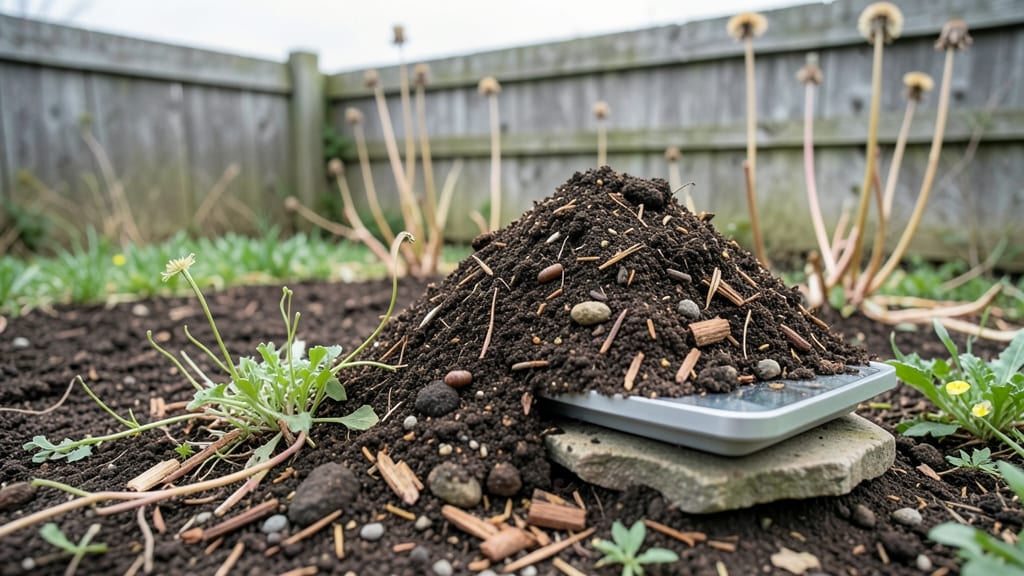
Determining how much a yard of garden soil weighs reveals a range of 2,000 to 2,700 pounds, influenced by moisture levels, organic matter, and soil type. Loose topsoil skews lighter, while clay-heavy soil can push past 2,500 lbs. Always confirm with suppliers, as these factors create significant weight variations.
A yard of garden soil's weight isn't just about volume—it's a science of composition. 💫 The moisture content alone can swing weights by 500+ pounds, while organic materials like compost add bulk without much heft.
I've seen contractors double-check truck capacities before hauling, especially with clay-heavy loads that can exceed 3,000 lbs when saturated. For DIY projects, this means planning for heavier equipment or multiple trips when handling bulk deliveries.
Understanding these variations helps avoid overloading vehicles or misjudging project requirements. For example, a standard pickup truck typically handles up to 2,000 lbs safely, so clay-based soil might need a trailer attachment. The key is testing soil density before purchasing—many nurseries offer sample bags to estimate weight per cubic foot.
💡 In This Article
- Factors Affecting Garden Soil Weight per Cubic Yard
- Practical Tips for Handling Heavy Garden Soil Deliveries
Factors affecting garden soil weight per cubic yard
Moisture content is the single biggest factor influencing soil weight. A cubic yard of completely dry topsoil might weigh around 1,800 pounds, but when saturated—like after heavy rain—it can balloon to 3,000 pounds or more.
This happens because water fills the tiny air pockets between soil particles, dramatically increasing density. For example, sandy soil absorbs less water than clay, so its weight gain is more moderate (500-700 pounds when wet), while clay can gain 1,000+ pounds from the same moisture increase. 💫
The organic composition plays a critical role too. Peat moss, for instance, weighs only about 300-400 pounds per cubic yard when dry due to its high air content, but composted materials like leaf mold add 500-800 pounds per yard.
Sandy loam—often used for raised beds—typically falls in the 2,200-2,500 pound range when moist, while pure clay can exceed 2,700 pounds in its natural state. The key difference? Clay particles are tightly packed, while organic matter creates lighter, airier structures.
Compaction is another game-changer. Loose, freshly tilled soil might weigh 2,000 pounds per yard, but after years of foot traffic or machinery, the same volume could weigh 2,500+ pounds. This happens because compaction reduces air pockets, forcing particles closer together.
For example, a golf course green—constantly rolled and watered—can have soil densities approaching 1.8 grams per cubic centimeter, compared to 1.2-1.4 g/cm³ in loose garden soil. The result? Heavier loads that require more effort to move. ✨
Here's a quick comparison of common soil types by weight:
- Sandy soil: 1,800-2,200 lbs (dry to moist, drains quickly)
- Loamy soil (ideal garden mix): 2,200-2,500 lbs (balanced organic/mineral content)
- Clay soil: 2,500-3,000+ lbs (dense, holds moisture, heavy when wet)
- Peat-based mixes: 300-800 lbs (varies wildly with moisture/organics)
What most people overlook is how these factors combine in real-world scenarios. A "yard" of soil delivered to your doorstep might actually be 20-30% air if loosely piled, reducing its effective weight.
But once you spread and compact it—like when building a raised bed—the same volume could suddenly weigh 2,700 pounds or more. This is why professional landscapers always specify "compacted weight" when ordering bulk materials. 🔥
The science behind this involves soil's bulk density, measured in pounds per cubic foot. Most garden soils fall between 70-100 lbs/ft³, but clay can reach 110+ lbs/ft³ when wet.
To put that in perspective, a standard pickup truck bed holds about 2 cubic yards of loose soil—roughly 4,000-5,400 pounds if clay-based and saturated. That's why you'll often see delivery trucks equipped with heavy-duty forks or cranes for unloading.
Knowing these numbers helps you plan for equipment needs before the delivery arrives.