
Size
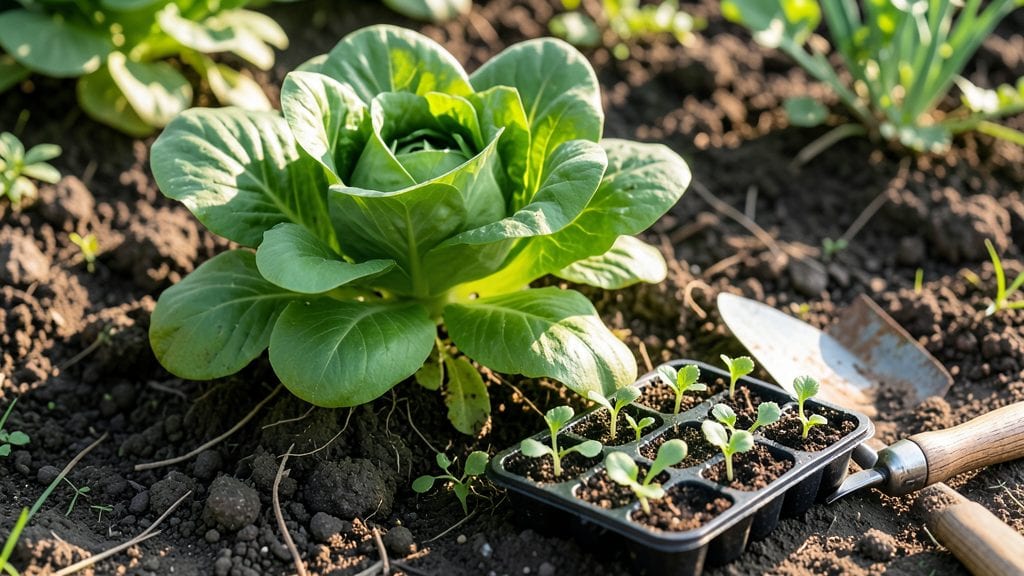
Learn how to get grow a garden hacks that work—because even a tiny balcony can become a lush vegetable patch with vertical space and container gardening. 🌱 I turned mine into a thriving oasis, proving that small spaces can yield big harvests. areas can produce big results.
The key is choosing the right plants—fast growers like lettuce, radishes, and bush beans give quick rewards, while compact varieties of tomatoes and peppers maximize yield in small pots.
Skip the fancy tools; a basic trowel, some recycled containers, and a 5-minute soil check (just poke your finger in—if it feels dry, water it) are all you need to start.
You’ll end up with fresh herbs within weeks and full-sized veggies by summer, all without bending over a traditional plot. The best part? These methods cut water use by half and keep pests at bay naturally—just rotate crops and place containers where they get morning sun and afternoon shade.
Whether you’re working with a windowsill, patio, or just a sunny corner, these hacks adapt to any setup. Let’s get those plants growing without the guesswork or the space struggles.
📚 In This Guide
- What you need
- Instructions
- Tips and common mistakes
- Wrapping up and next steps
What you need
- ● Containers: 5–10 5–10 gallon pots or grow bags (fabric or plastic) with drainage holes. Pro tip: Stackable pots save space! 💡
- ○ Growing Medium: 1–2 bags of high-quality potting mix (avoid garden soil—it compacts!). Optional: Add 1 cup of perlite or vermiculite per bag for aeration.
- ● Seeds or Seedlings: Compact varieties: Cherry tomatoes, bush beans, dwarf peppers, or leafy greens (spinach, kale, lettuce).
- ● Quantity: 1–2 seeds per pot (or 1 seedling per container).
- ● Watering: Basic: Watering can (1–2 gallon capacity) with a rose attachment for gentle watering.
- ● Upgrade: Self-watering system or drip irrigation kit (saves time and water!).
- ● Sunlight Access: South-facing window, grow lights (LED, 12–16 hrs/day), or a sunny balcony/patio.
- ● Hand Trowel: Small, ergonomic trowel for planting and soil adjustments.
- ● Pruning Shears: For trimming plants and harvesting.
- ● pH Test Kit: Ensures soil is in the 6.0–7.0 range for most veggies.
- ● Fertilizer: Balanced liquid fertilizer (e.g., 10-10-10) or organic options like compost tea.
- ● Support Structures: Small stakes, cages, or trellises (for climbing plants like peas or cucumbers).
- ● Space Assessment: Measure your growing area (even a 3’x3’ spot works!).
- ● Schedule: Dedicate 10–15 minutes daily for watering and care.
- ● Patience: Some plants (like tomatoes) take 60–80 days to harvest!
Step-by-Step space-saving secrets for big harvests
Here’s how to turn even the tiniest yard into a productive garden—no fancy tools or sprawling plots needed.
🪴 Step 1: Choose the Right Containers for Vertical Growth
Start with containers that maximize upward space, like tall planters or hanging baskets. I use 5-gallon fabric grow bags for tomatoes and peppers—they’re lightweight, drain well, and let roots breathe. For herbs, shallow 8-inch pots work perfectly on a sunny windowsill. The key is matching container size to plant needs: deep roots (like carrots) need at least 12 inches of soil, while shallow roots (like lettuce) thrive in 6-inch pots.
Place containers near a south-facing wall or under a grow light if natural light is limited. You’ll see faster growth when plants get 6+ hours of sunlight daily. If your space is truly tight, opt for stackable pots—just ensure each level has drainage holes to prevent root rot. Real talk: I’ve fit 20 plants in a 4’x4’ patio using vertical shelves and wall-mounted pockets.
🌱 Step 2: Plant in Blocks, Not Rows
Instead of traditional rows that waste space, arrange plants in compact clusters by their needs. For example, group basil, tomatoes, and peppers together—they all love full sun and similar watering. This mimics how plants grow in nature and makes it easier to tend to them. I plant 3-4 plants per square foot (like lettuce, radishes, or green onions) in a grid pattern, leaving just 6 inches between clusters for airflow.
Use smaller varieties of vegetables (like ‘Patio’ tomatoes or ‘Baby Bok Choy’ cabbage) to save space without sacrificing yield. You’ll notice healthier plants because they’re not competing for nutrients or light. For herbs, mix thyme, oregano, and chives in one pot—they all prefer well-draining soil and moderate water. Just avoid pairing fast growers (like radishes) with slow ones (like carrots) in the same container.
☀️ Step 3: Train Vines and Climbers Upward
Save floor space by training pole beans, cucumbers, and zucchini to grow vertically. Use trellises, cages, or even a sturdy fence to guide them upward. I’ve seen one cucumber plant produce 20 pounds of fruit by climbing a 6-foot trellis instead of sprawling across the ground. For tomatoes, install 5-foot cages at planting time—they’ll support the plant’s weight as it grows. You’ll avoid broken stems and make harvesting a breeze.
For squash and melons, use a strong wire frame or A-frame trellis to lift the vines. Even strawberries can be grown in hanging baskets or vertical pockets, freeing up ground space for other crops. The trick is to prune regularly—remove any side shoots that aren’t climbing upward to keep the plant focused on vertical growth. You’ll end up with bigger, healthier fruit and a garden that looks intentional, not chaotic.
💧 Step 4: Water Efficiently to Maximize Space
Use drip irrigation or soaker hoses to deliver water directly to the roots, reducing waste and keeping leaves dry (which prevents disease). I set up a simple DIY system with a 5-gallon bucket, a timer, and a length of tubing—it waters my entire container garden for 10 minutes twice a day without me lifting a finger. For hanging baskets, self-watering planters are a game-changer; they hold 2-3 days’ worth of moisture, so you won’t overwater or forget to water.
Group plants with similar water needs together to simplify care. For example, tomatoes, peppers, and basil all thrive with 1 inch of water per week, while herbs like rosemary and thyme prefer less frequent watering. Check soil moisture by sticking your finger 1 inch deep—if it’s dry, water; if it’s damp, wait. Overwatering is the #1 killer of container gardens, so never let pots sit in saucers of standing water.
✂️ Step 5: Harvest Strategically to Encourage More Growth
Pick leafy greens (like lettuce or spinach) by cutting outer leaves rather than pulling the whole plant. This way, the center keeps growing, and you’ll get continuous harvests instead of one big yield. For herbs like cilantro or dill, snip stems just above a set of leaves—this encourages bushier growth. I harvest basil leaves in the morning when flavors are strongest, and the plant responds by putting out new leaves within days.
For vegetables like beans and peas, pick regularly to prevent overcrowding and encourage more pods to form. With zucchini and cucumbers, harvest when they’re 6-8 inches long—if you let them get too big, the plant stops producing. You’ll see a direct correlation between frequent harvesting and plant productivity. And here’s a pro tip: Use the harvested produce immediately (or freeze it) to avoid waste and keep your garden’s cycle going smoothly.
Tips & tricks for perfect space-saving gardens
Even the smallest space can yield impressive harvests with these clever tricks that maximize every square inch.
Container Size Matters: When selecting containers for Step 1, remember that 5-gallon fabric grow bags are ideal for tomatoes and peppers because they provide enough depth (about 12 inches) for strong root development. For herbs like basil, those 8-inch pots work perfectly but only if you plant 1-2 plants per pot—overcrowding leads to competition for nutrients. I learned this the hard way after watching my thyme plants struggle in a too-small container. Stackable pots are your best friend for tight spaces, but always check for drainage holes in each level to prevent waterlogging at the bottom.
Sunlight Strategy: In Step 1, positioning containers near a south-facing wall ensures maximum sunlight exposure, but don't forget to rotate your containers every few days. Plants naturally lean toward the light, and rotating them keeps them growing straight and prevents uneven growth. If natural light is limited, supplement with a grow light placed 6-12 inches above your plants for 12-14 hours daily. I use a simple LED grow light on a timer for my balcony garden, and it makes all the difference during cloudy days.
Pruning for Productivity: The pruning tip in Step 3 is where many gardeners go wrong. When training vines upward, focus on removing side shoots that aren't climbing the main stem—these energy vampires drain resources from your main crop. For tomatoes, I prune suckers (the small shoots in the leaf axils) regularly, and my plants reward me with 20% more fruit. Use clean, sharp pruners and make cuts just above a leaf node to encourage new growth in the right direction. This simple step transforms sprawling messes into productive vertical gardens.
Watering Wisdom: The 10-minute twice-daily watering in Step 4 is perfect for most container gardens, but timing matters just as much as duration. Water in the early morning so leaves have time to dry before evening, reducing disease risk. For hanging baskets, I've found that self-watering planters with 2-3 days' worth of moisture capacity eliminate the guesswork entirely. Just remember: 1 inch of water per week is ideal for sun-loving plants like tomatoes and peppers, but herbs like rosemary prefer less—about half that amount—to prevent root rot. Stick your finger 1 inch deep into the soil before watering to check moisture levels.
Pro Tips for Get Grow A Garden Hacks
- Even the smallest space can yield impressive harvests with these clever tricks that maximize every square inch.
- Container Size Matters: When selecting containers for Step 1, remember that 5-gallon fabric grow bags are ideal for tomatoes and peppers because they provide enough depth (about 12 inches) for strong root development.
- Sunlight Strategy: In Step 1, positioning containers near a south-facing wall ensures maximum sunlight exposure, but don't forget to rotate your containers every few days.
Frequently asked questions
Got questions about squeezing a thriving garden into small spaces? You’re not alone!
Here are answers to the most common gardening hacks questions to help you grow big—even in tight quarters.
Can I grow a garden in a tiny apartment with no outdoor space?
Try container gardening with pots, vertical planters, or even a window herb garden. Leafy greens, herbs, and dwarf veggies (like cherry tomatoes or peppers) thrive in small spaces. Just ensure containers have drainage and get 6+ hours of sunlight daily.
When is the best time to start a small-space garden?
For most climates, spring (after the last frost) is ideal, but you can extend seasons with seasonal hacks:
- Early start: Use cold frames or grow lights indoors 6–8 weeks before the last frost.
- Fall harvest: Plant heat-tolerant crops (like kale or radishes) in late summer for a late-season bounty.
- Year-round: Herbs and microgreens grow well indoors with grow lights.
What’s the cheapest way to start a small garden?
Skip expensive setups—repurpose free or low-cost materials:
Pests hate natural barriers and smart spacing:
Start with these low-maintenance, high-reward picks:
Pro tip: Start with fast-growing, high-yield crops like radishes, green onions, or bush beans to see quick returns!
How do I keep pests away in a small garden?
Warning: Avoid chemical pesticides—they can harm pollinators and accumulate in small spaces.
What are the easiest plants to grow in small spaces?
Plant
Space Needed
Harvest Time
Leafy greens (lettuce, spinach)
6" apart, shallow pots
3–4 weeks
Herbs (basil, mint, parsley)
4–6" pots (mint spreads—grow in its own container!)
4–6 weeks
Cherry tomatoes
5-gallon container, trellis
60–70 days
Radishes
2" apart, deep pots
3–4 weeks
Green onions/scallions
Regrow from scraps in water!
2–3 weeks
Wrapping up and next steps
Growing a thriving garden in limited space is totally doable—you just need the right hacks! From vertical gardening to container creativity, these space-saving secrets prove that big harvests don’t require big yards. Start small, experiment with what works, and watch your green thumb flourish! 🌱
Ready to take the next step? Pick one hack from this guide—whether it’s a wall planter, self-watering pots, or companion planting—and give it a try this weekend. Before you know it, you’ll be reaping fresh, homegrown goodness with zero excuses! 🌿