
Size
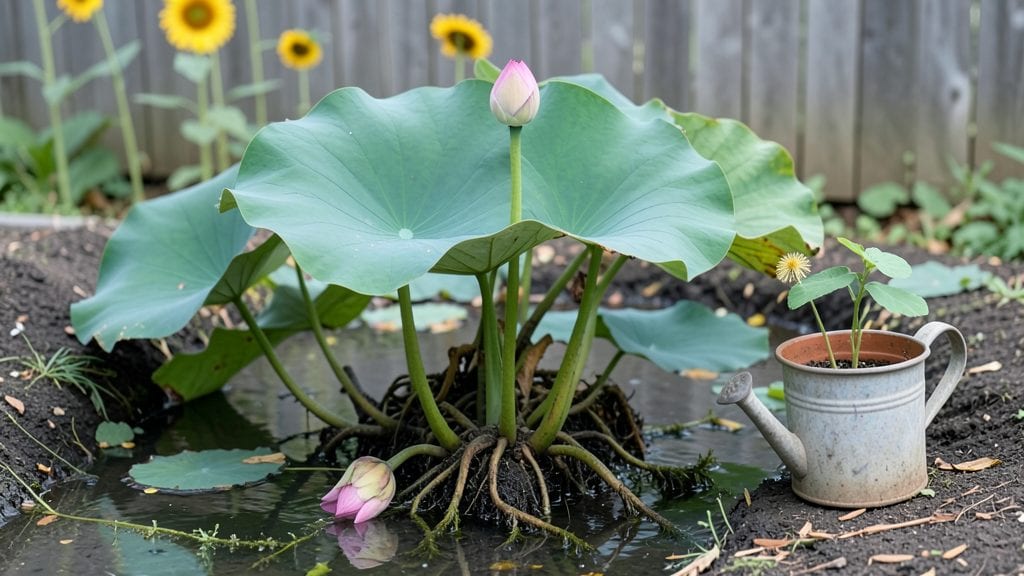
Growing lotus in your garden transforms ordinary water into a living painting—those iconic blooms rise like golden lanterns from the surface, and the process is simpler than you’d think. 🌸 I’ve planted lotuses in everything from a backyard pond to a repurposed whiskey barrel, and once you get past the initial setup, they practically care for themselves.
The key is matching their needs to your space: lotuses thrive in 3-5 feet of water with rich, mucky soil at the bottom, and they’ll tolerate partial shade if the water stays warm.
Start with rhizomes in early spring—they root faster than seeds—and space them 12-18 inches apart for dramatic blooms by midsummer. Even in colder zones, they’ll come back year after year if the water doesn’t freeze solid.
You’ll love how little they demand: no fertilizing after the first season, minimal pruning (just snip dead foliage), and they outcompete algae naturally. The real magic happens when those first buds break the surface—imagine waking up to blooms that close at night and reopen at dawn, all summer long.
Works in ponds, containers, or even a shallow dug-out area with a liner—just avoid stagnant water, and they’ll reward you with months of effortless beauty. Here’s how to set yours up without the guesswork.
📚 In This Guide
- What you need
- Instructions
- Tips and common mistakes
- Wrapping up and next steps
What you need
- ● Lotus seeds or tubers: Choose Nelumbo nucifera (Asian lotus) or Nelumbo lutea (American lotus). Buy from a reputable nursery (5–10 tubers/seed packets for a small pond or container).
- ● Container or pond: Pond: Minimum 18–24 inches deep (lotuses need deep water for roots). Use a preformed liner or clay pond if natural.
- ● Container: Large whirlpool tub, half-barrel, or ceramic pot (at least 12–18 inches deep with drainage holes covered by mesh).
- ● Potting soil or aquatic substrate: 2–3 bags of water-friendly potting mix (e.g., 50% peat moss + 50% perlite/sand) or aquatic soil for containers.
- ● Water source: Dechlorinated water (use a water conditioner like Seachem Prime if tap water is treated).
- ● Basic gardening tools: Trowel or small shovel
- ○ Gloves (optional but recommended—lotus roots can be prickly!)
- ● Measuring tape (to check water depth)
- ● Fertilizer: Slow-release aquatic tabs (e.g., Floragon Aquatic Plant Food) or compost (sprinkle lightly every 4–6 weeks).
- ● Pond decor: Rocks, driftwood, or a small fountain to enhance aesthetics (and deter pests!).
- ● Pest deterrents: Barrier netting (if birds or squirrels are a problem) or neem oil spray (for aphids).
- ○ Water tester kit: To monitor pH (6.0–7.5) and nitrate levels (optional but ideal for long-term health).
- ● Solar pond heater (for cold climates): Extends the growing season in Zones 5–7.
Step-by-Step guide to growing lotus in your garden
Here’s how to transform any pond into a stunning, low-maintenance water garden with these elegant blooms.
🪴 Step 1: Choose the Right Container or Pond
Lotus thrives in at least 18 inches of water depth, so a shallow pond or large container works best. If using a container, select one that’s at least 12 inches wide and deep—wide enough to support the plant’s sprawling roots and deep enough to keep the rhizome submerged. I like to use fiberglass or plastic tubs because they’re durable and won’t crack like clay over time.
Ensure the container has no sharp edges—lotus roots are delicate and can tear easily. If your pond has fish, avoid planting lotus there; their roots can disrupt the ecosystem. Instead, dedicate a separate section for lotus growth, especially if you want to control its spread.
🌱 Step 2: Plant the Rhizomes Correctly
Lotus grows from rhizomes, not seeds, so you’ll need to plant these thick, knobby roots. Place the rhizome horizontally in the soil at the bottom of the container or pond, about 1-2 inches below the surface. The buds (small bumps on the rhizome) should face upward—this is where new shoots will emerge.
Cover the rhizome with 1-2 inches of soil to secure it in place. If planting in a pond, anchor the rhizome with a few rocks to prevent it from floating away. Water should just cover the soil—never submerge the rhizome completely at first. You’ll know it’s planted correctly when the buds are facing upward and partially exposed to light.
☀️ Step 3: Provide Sunlight and Warmth
Lotus needs full sun for at least 6-8 hours daily to bloom properly. If your garden gets partial shade, expect fewer flowers and slower growth. Position the container or pond in the sunniest spot you have—even in cooler climates, lotus will thrive as long as it gets enough light.
In colder regions, lotus may go dormant in winter. If temperatures drop below 40°F, move the container indoors to a cool, bright spot (like a garage with a window) or bury it in the ground and cover it with mulch to protect the rhizome. In warmer climates, lotus can grow year-round with consistent sunlight and warmth.
💧 Step 4: Maintain Water and Fertility
Keep the water clean and stagnant—lotus hates moving water. If using a pond, avoid fountains or filters near the plant. Change 10-20% of the water weekly to prevent algae buildup, which can smother the roots. In containers, top off evaporated water with dechlorinated tap water (let it sit out for 24 hours before using).
Feed the lotus once a month during the growing season (spring to fall) with a balanced aquatic plant fertilizer. I like to use slow-release pellets placed near the rhizome. Skip fertilizing in winter—dormant plants don’t need extra nutrients. You’ll know it’s happy when new leaves emerge quickly in spring and flowers bloom within 8-12 weeks of planting.
✂️ Step 5: Prune and Divide as Needed
After the first bloom cycle, deadhead spent flowers by snipping them off at the base. This encourages the plant to produce more blooms later in the season. Avoid cutting into the rhizome—just remove the wilted stems above the waterline. If the plant looks crowded or leggy, it’s time to divide.
To divide, carefully lift the rhizome in early spring and separate the sections with at least one bud each. Replant the divisions in new containers or deeper sections of the pond. This keeps the lotus healthy and prevents overcrowding. With proper care, your lotus will spread slowly but steadily, filling your water garden with stunning blooms for years.
Tips & tricks for perfect lotus growth in your garden
Transforming your pond into a lotus garden is easier than you think—once you know these key tricks to give your plants the best start.
Container Selection: For containers, fiberglass or plastic tubs work best because they won't crack over time like clay. If using a pond, dedicate a separate section—especially if you have fish, as lotus roots can disrupt their ecosystem. I've seen lotus crowd out koi ponds entirely when planted too close! The 18-inch depth requirement is non-negotiable, so measure twice before committing to a container.
Rhizome Planting Precision: The horizontal placement of rhizomes in Step 2 is crucial—those buds must face upward! I learned this the hard way by planting mine upside down, which resulted in zero growth for months. When covering with soil, use 1-2 inches—too much buries the buds, too little exposes them to rot. In ponds, use a few rocks to anchor them without damaging the delicate roots.
Sunlight Strategy: Those 6-8 hours of daily sun are essential, but don't assume your yard gets enough. I once placed my lotus in partial shade and was disappointed when it produced only a few small blooms. If your space is limited, consider a movable container that you can rotate throughout the day. In cooler climates, watch for dormancy below 40°F—this is when lotus goes into survival mode, so plan your winter care accordingly.
Water Maintenance: The 10-20% weekly water change might seem excessive, but it prevents algae buildup that can smother roots. For tap water, the 24-hour dechlorination is a must—chlorine can harm the rhizomes. I've found that adding a few lotus leaves to the water helps naturally deter algae while keeping the ecosystem balanced. In summer, evaporation happens fast, so keep an eye on water levels!
Pro Tips for Get Lotus In Grow A Garden
- Transforming your pond into a lotus garden is easier than you think—once you know these key tricks to give your plants the best start.
- Container Selection: For containers, fiberglass or plastic tubs work best because they won't crack over time like clay.
- Rhizome Planting Precision: The horizontal placement of rhizomes in Step 2 is crucial—those buds must face upward!
Frequently asked questions
Got questions about growing lotus in your garden?
You’re not alone! Here are answers to the most common queries—so you can dive in with confidence.
Can I grow lotus in a small pond or container?
Lotus thrives in containers as long as they’re at least 12 inches deep and wide enough for roots to spread. Use a heavy pot (like ceramic) to anchor it in shallow water (4–12 inches deep). Just ensure the container has drainage holes and place it in full sun. Pro tip: Add aquatic soil or clay pebbles at the bottom for stability.
How long does it take for lotus to bloom?
Patience is key—lotus plants typically take 1–3 years to bloom, depending on the variety and growing conditions. Hardy rhizomes (like Nelumbo nucifera) may flower sooner, while tropical types might take longer. Keep the water warm (60°F+) and fertilize lightly in spring to encourage faster growth.
What’s the best water temperature for lotus?
Lotus loves warm water (70–85°F). In cooler climates, grow them in containers you can move indoors during winter or use a pond heater. If your pond freezes, lotus rhizomes will survive buried in mud—but avoid stagnant, cold water, which can stunt growth.
Will lotus attract pests or wildlife?
Lotus is generally pest-resistant, but its lily-pad leaves can attract frogs, dragonflies, and even ducks—great for biodiversity! Just watch for aphids or snails on young leaves. Use neem oil or a barrier net if pests become an issue. Bonus: The pads also deter mosquitoes!
What if my lotus leaves turn yellow or wilt?
Yellowing leaves often mean nutrient deficiency, poor water quality, or root rot. Check your water’s pH (ideal: 6.0–7.5) and add aquatic fertilizer. If roots smell foul, trim damaged parts and repot in fresh, clean water. Overcrowding can also stress plants—thin out dense foliage for better airflow.
Still stumped? Drop your question in the comments—we’re happy to help you cultivate your dream lotus garden!
Wrapping up and next steps
Growing lotus in your garden is a rewarding journey that brings serene beauty and minimal-maintenance elegance to your water features. With the right soil, sunlight, and a little patience, you’ll soon enjoy their stunning blooms—whether you’re a beginner or a seasoned gardener. 🌸
Ready to take the next step? Start by selecting your lotus variety and preparing your pond or container. Then, watch your garden transform into a tranquil oasis with these low-fuss aquatic stars!