
Pests
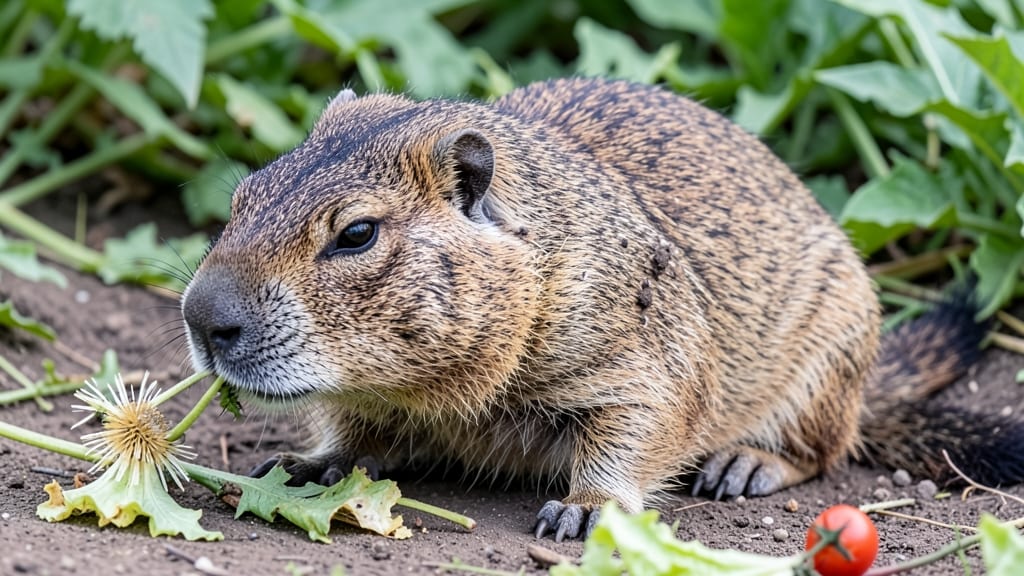
Stopping groundhogs from eating your garden starts with understanding their digging patterns—those deep tunnels and chewed plants are their calling cards. 🌱 I’ve lost entire rows of peas and carrots to them, but I’ve also learned their weaknesses: they hate certain smells, dislike physical barriers, and avoid areas where they feel exposed.
The buried repellent barrier method works because it combines what they fear with what they can’t ignore.
The key is a two-step approach: first, bury castor bean meal or predator urine around your garden’s perimeter (they avoid both smells fiercely). Then, add a shallow trench with hardware cloth or smooth rocks—groundhogs can’t dig through either.
This combo blocks their access while keeping them from feeling cornered, which makes them move on. It’s not instant, but within 2-3 weeks, you’ll see fewer tunnels and more intact plants.
You’ll reclaim your garden without harming the animals—no more waking up to fresh mounds of dirt or half-eaten crops. The best part? This method works for years if you refresh the repellent seasonally. Groundhogs are smart, but they’re predictable, and once you outsmart their instincts, your garden becomes off-limits again.
Works for raised beds, in-ground plots, and even small containers—just adjust the barrier depth. The secret is consistency: groundhogs give up when they realize your garden is a no-go zone. Let’s get them out for good.
The Hidden Triggers of Garden Raids
Groundhogs—also known as woodchucks—aren’t just digging for fun. They’re following their instincts, survival needs, and a few sneaky environmental cues that turn your lush garden into an all-you-can-eat buffet. Understanding why these burrowing rodents target your plants is the first step to outsmarting them.
Let’s break down the science behind their behavior, so you can address the root causes (literally and figuratively).
Groundhogs are herbivores with a voracious appetite. A single woodchuck can consume up to 1 pound of vegetation per day—that’s roughly the weight of a small textbook! Your garden becomes a prime target if:
- 🍅 Tender, young plants are their favorite snack. Groundhogs prefer soft, nutrient-rich greens like lettuce, beans, and tomatoes over woody stems. The higher the water content, the more appealing.
- 🌿 Overgrown or unharvested crops signal to groundhogs that food is plentiful. If you leave fallen fruits, wilting herbs, or unpruned bushes, they’ll see your yard as a 24/7 salad bar.
- 🍄 Wild edibles nearby (like clover, dandelions, or grasses) can actually attract groundhogs to your property. They’ll dig under fences or through soil to reach these hidden treats.
Science note: Groundhogs rely on olfaction (smell) to locate food. A study in the Journal of Mammalogy found that they can detect plant volatiles—chemical compounds released by damaged or ripe plants—from up to 30 feet away. That’s why a single chewed leaf can send them into a feeding frenzy.
Groundhogs aren’t just hungry—they’re hardwired to seek security. Their burrows serve as:
- 🛡️ Protection from predators (foxes, coyotes, and even domestic dogs). They prefer areas with dense ground cover, like tall grass, shrubs, or mulch piles, which provide camouflage and easy digging access.
- 👶 Raising young. Mating season (March–April) triggers females to scout for soft, loose soil to excavate multi-chambered dens (some up to 20 feet long!). If your garden soil is sandy, loose, or undisturbed, it’s a dream real estate.
- ☀️ Warmth and shade. Groundhogs are active during dawn and dusk but may linger in shaded garden beds to regulate body temperature, especially in hot climates.
Science note: Their burrows can reach depths of 6+ feet, with escape tunnels and food caches. If you’ve noticed fresh mounds of dirt near your garden edges, that’s their way of saying, “This is my backyard now.”
Groundhog behavior shifts with the seasons, and certain conditions make your garden irresistible. Here’s what spikes their interest:
| Season | Why They Strike | What’s Happening in Nature |
|---|---|---|
| Spring (March–May) | 🌱 New growth is their favorite. Groundhogs emerge from hibernation with a ravenous appetite after months without food. | Soil is soft and easy to dig; plants are tender and high in moisture. |
| Summer (June–August) | 💦 Drought-stressed plants become easier to chew. They also dig to escape heat. | Overwatered or underwatered soil creates weak spots; they target gardens near wooded areas for shade. |
| Fall (September–November) | 🍂 Falling leaves and seeds signal food abundance. They stockpile veggies for winter. | Groundhogs prepare burrows for hibernation, often using garden soil as insulation. |
| Winter (December–February) | ❄️ Snow cover can hide their digging. They may still raid gardens if food is scarce elsewhere. | They rely on cached food or nearby farms; deep snow makes detection harder. |
Pro tip: Groundhogs are crepuscular (most active at dawn/dusk), so set up motion-activated lights or cameras to catch them in the act—and adjust your defenses accordingly.
Unlike squirrels or rabbits, groundhogs face few natural threats in suburban areas. Here’s why they feel bold:
- 🐺 Fewer predators: Coyotes and foxes may hunt them, but lawns and fences often block these predators from reaching groundhog dens. Domestic dogs can help, but they’re not always reliable.
- 🐇 Less competition: Rabbits and deer may share your garden, but groundhogs are more aggressive diggers and will outcompete smaller herbivores for food.
- 🏡 Human-proofed environments: If your yard lacks hawks, owls, or large mammals, groundhogs see it as a safe zone—and your veggies as a free meal.
Science note: Groundhogs have poor eyesight but excellent hearing and smell. They rely on vibrational senses to detect threats, so sudden noises (like clapping or radio static) can startle them—but only if they’re already stressed.
Now that you know why groundhogs are turning your garden into a buffet, the next step is to disrupt their triggers with smart, science-backed repellents and barriers. Stay tuned!
Effective Ways to Outsmart Garden-Gnawing Groundhogs
Groundhogs may seem harmless, but their appetite for your garden can turn your hard work into a buffet. The good news? You don’t need to resort to extreme measures—just a mix of smart deterrents, strategic barriers, and a few clever tricks.
Below, we’ve mapped out practical solutions tailored to the root causes of groundhog garden raids, from hunger to territorial behavior.
Groundhogs dig tunnels and burrows, making it easy for them to raid your garden at will. The first line of defense? Cut off their access.
🔥 Install Physical Barriers
Groundhogs can’t climb or jump high, so a buried wire mesh or hardware cloth (at least 2 feet deep and 3 feet wide) around garden beds is a game-changer.
Use 1/4-inch mesh to block even the smallest diggers. - Pro Tip: 💡 Bend the top of the barrier outward to deter them from tunneling underneath. - Budget Hack: Repurpose old chicken wire, but reinforce it—groundhogs can chew through weak materials.
🍳 Create a "No-Dig Zone" with Rocks or Gravel
Groundhogs dislike rough textures underfoot. Scatter large rocks or coarse gravel around garden edges to make digging difficult. Bonus: It also improves drainage!
- Warning: ⚠️ Avoid small pebbles—they can get buried and create new tunnels.
If your garden is a groundhog buffet, they’ll keep coming back. Reduce their motivation with these hunger-blocking strategies.
👨🍳 Offer Alternative Food Sources
Plant a sacrificial garden nearby with groundhog-friendly veggies like lettuce, corn, or beans. Keep it far enough away (20+ feet) to lure them away from your prized plants.
- Pro Tip: 🌡️ Rotate crops seasonally to keep them interested in the decoy garden.
🥘 Use Natural Repellents
Groundhogs dislike strong smells. Sprinkle hot peppers, garlic, or predator urine (coyote or fox) around garden edges. Reapply after rain. - DIY Spray Recipe: Blend 1 chopped hot pepper + 1 gallon water + 1 tsp dish soap.
Spray on plants and barriers. - Caution: ⚠️ Avoid overusing chemical repellents—they can harm plants and pets.
Groundhogs are cautious but persistent. Disrupt their comfort zone with movement, noise, or unexpected surprises.
🎯 Motion-Activated Devices
Motion-activated sprinklers, lights, or ultrasonic repellents startle groundhogs when they approach. Solar-powered options are easy to install and eco-friendly.
- Best Placement: 🎯 Around garden perimeters and near known burrows.
🐺 Introduce Predator Scents or Decoys
Place fake owls, snakes, or coyote urine near problem areas. Move them weekly to prevent habituation.
- Realistic Touch: 🎯 Use wind-activated owl decoys for extra realism.
The key to lasting success? Make your garden unappealing and their presence uncomfortable.
🌿 Secure Compost & Trash
Groundhogs forage for easy meals. Use sealed bins for compost and trash, and keep pet food indoors.
- Pro Tip: 💡 Store birdseed and fallen fruit in metal containers.
🏡 Eliminate Shelter Opportunities
Groundhogs dig burrows in grassy, undisturbed areas. Keep lawns mowed short and remove brush piles near your garden.
- Bonus: 🌡️ Plant thorny bushes (like roses or barberry) as natural barriers—they’ll avoid the prickles!
Final Reminder: Consistency is key! Groundhogs are smart—they’ll test your defenses. Combine 2-3 methods for the best results, and stay vigilant during planting season when they’re most active. With patience, your garden will stay off their menu!
Frequently asked questions
What’s the fastest way to stop groundhogs from destroying my garden?
Combine a buried hardware cloth barrier (at least 2 feet deep) with a natural repellent like predator urine or hot pepper spray. Groundhogs avoid both smells and physical obstacles. For immediate results, add motion-activated sprinklers—they create an uncomfortable surprise when groundhogs approach.
Can I use chicken wire instead of hardware cloth?
Not for long-term protection—groundhogs can chew through chicken wire with their strong teeth. Use 1/4-inch hardware cloth or welded wire mesh instead. Bury it 2 feet deep and extend it 1 foot above ground to block both digging and climbing.
Are there humane ways to relocate groundhogs?
Yes, but it requires a permit in most areas. Contact local wildlife authorities—they’ll trap and relocate groundhogs to suitable habitats. Never attempt relocation yourself, as it’s illegal and can harm the animal. Focus on deterrents first to avoid stressing them.
How often should I reapply natural repellents?
Reapply every 2-3 weeks or after heavy rain to maintain effectiveness. For predator urine, use fresh applications every 4-6 weeks. Hot pepper sprays last longer but should be reapplied after rain. Consistency is key—groundhogs learn to ignore weak signals.
Will a dog keep groundhogs away?
Only if the dog is trained and supervised. Groundhogs are aggressive diggers and may fight back if cornered. A barking dog can deter them, but a chasing dog might provoke them. Use barriers and repellents as your primary defense—dogs should be a last-resort solution.