
Pruning
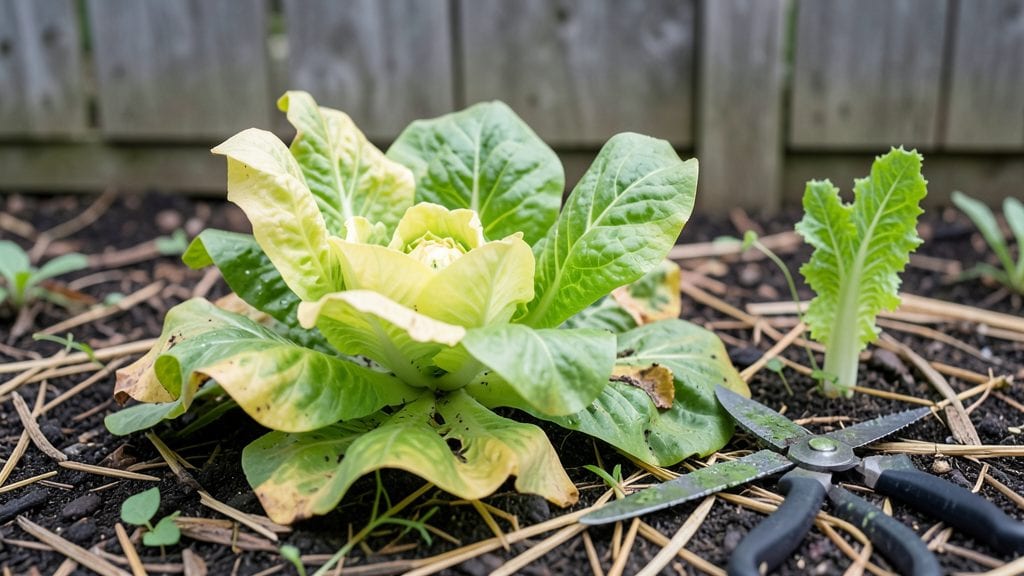
Trimming garden lettuce the right way turns a handful of leaves into a continuous harvest. 🌿 I learned the hard way that snipping too much at once leaves me with sad, stunted plants—but the right technique gives me fresh greens for weeks.
The secret isn’t just cutting leaves; it’s understanding which ones to take and when to stop.
You’ll need sharp scissors or pruning shears (dull blades tear leaves and invite disease), a sunny morning for harvesting (when leaves are crisp), and a clear goal: never take more than a third of the plant at once.
Most gardeners focus on the outer leaves, but the real trick is leaving the inner heart intact—it’s where regrowth happens.
After trimming, your lettuce will bounce back with new growth within days. The leaves stay tender and sweet, and you’ll avoid the bitter taste that comes from over-mature plants. Just keep the soil moist (not soggy) and protect young leaves from pests until they’ve had time to recover.
This method works for all lettuce types—romaine, butterhead, even loose-leaf—whether you’re growing in raised beds or containers. The key is patience: a well-trimmed plant keeps producing for months, while aggressive harvesting leads to bolting by mid-summer.
📚 In This Guide
- What you need
- Instructions
- Tips and common mistakes
- Wrapping up and next steps
What you need
- ● Sharp pruning shears or garden scissors – Choose bypass pruners (not anvil-type) with a 4- to 6-inch blade for precision. Pro tip: 💡 Sterilize blades with rubbing alcohol before use to prevent disease spread!
- ● Clean, sharp kitchen knife or lettuce trimmer – A serrated or straight-edged blade (3–4 inches long) works best for indoor trimming.
- ○ Gloves (optional but recommended) – Lightweight, nitrile or cotton gloves protect hands from thorns (like in romaine) and dirt.
- ● Bucket or large bowl – A 5-gallon capacity (or larger) to hold trimmed leaves and water for rinsing.
- ● Spray bottle with water – Keeps leaves hydrated during trimming and helps rinse off debris.
- ● Plastic or metal tray – A shallow 12x18-inch tray catches fallen leaves and makes cleanup easier.
- ● Disinfectant spray (e.g., 1-part bleach to 9 parts water) – For sanitizing tools between batches.
- ● Cutting board or clean surface – A plastic or wooden board prevents scratches on countertops.
- ● Food-safe storage containers – Air-tight containers with ventilation holes (like mesh bags) extend freshness.
- ● Magnifying glass (for small hands) – Helps spot pests or damaged spots on delicate leaves.
- ● Compost bin – For trimmings that aren’t fit for eating (e.g., yellowed or wilted leaves).
Step-by-Step instructions for trimming garden lettuce
Here’s how to keep your lettuce thriving with clean cuts and continuous harvests.
✂️ Step 1: Choose the Right Time and Tools
Trim lettuce on a cool morning when leaves are crisp and turgid. Use sharp scissors or pruning shears—dull blades crush stems and invite rot. I always sanitize my tools with 70% isopropyl alcohol before cutting to prevent disease spread. Avoid harvesting when soil is wet or after heavy rain, as this can damage tender leaves.
Look for outer leaves that are 3-4 inches long—these are mature enough to harvest without stunting the plant. Young, inner leaves stay tender and keep growing. If you see yellowing or wilting edges, those leaves should come off first—they’re past their prime.
✂️ Step 2: Make Clean Cuts at the Base
Hold the outer leaf firmly and cut just above a set of healthy inner leaves, leaving a ½-inch stem. This encourages the plant to regrow from the base rather than from the cut surface. Angle your cuts slightly downward to prevent water from pooling on the stem, which can cause rot.
Don’t pull leaves—this tears the plant and exposes it to pests. Instead, snip cleanly and avoid the growing point at the center. If you accidentally cut too close, don’t worry—lettuce is resilient. Just keep future cuts precise to maintain a tidy plant.
🌿 Step 3: Harvest Strategically for Continuous Growth
For loose-leaf varieties like romaine or buttercrunch, harvest every 2-3 days by removing 1-2 outer leaves per plant. This keeps the plant productive and prevents bolting (going to seed). For head lettuce like iceberg or crisphead, wait until the head is firm and fully formed before cutting the entire head at the base.
Watch for bolt signs—tall, flowering stems mean your lettuce is stressed, often from heat or age. If this happens, harvest what you can and let the plant go to seed for next year’s crop. Regular trimming actually extends the harvest season by 3-4 weeks compared to cutting the whole head at once.
💧 Step 4: Post-Harvest Care for Regrowth
After trimming, water deeply to replenish moisture lost during harvest. Lettuce has shallow roots, so 1 inch of water per week keeps it happy. I like to water in the early morning so leaves dry quickly, reducing fungal risks. Avoid overhead watering—it spreads disease and makes leaves soggy.
Fertilize lightly with a balanced liquid fertilizer (10-10-10) after harvesting to replenish nutrients. Too much fertilizer now can cause bitter leaves, so dilute it to half-strength. Mulch around the base with 1-2 inches of straw to retain moisture and keep weeds at bay.
⏰ Step 5: Monitor and Repeat for Ongoing Harvests
Check your lettuce daily for new outer leaves ready to trim. Consistent harvesting prevents the plant from becoming leggy or bitter. If you see small, tightly packed leaves, your lettuce is signaling it’s time to slow down—reduce water slightly and provide partial shade during hot afternoons.
Store freshly trimmed leaves in a plastic bag with a paper towel in the fridge for up to 5 days. For longer storage, wash and dry them thoroughly before refrigerating. This method keeps them crisp longer than pre-washing and storing in water.
Tips & tricks for perfect garden lettuce trimming
Mastering these simple tricks will transform your lettuce harvest from sporadic to abundant.
Tool Selection Matters: I learned this the hard way after ruining three batches—dull tools crush stems and create entry points for rot. Invest in a pair of sharp kitchen scissors or pruning shears specifically for harvesting. For larger gardens, a serrated knife works well if you keep it razor-sharp. Always sanitize your tools with 70% isopropyl alcohol before each use, even if you used them yesterday. This prevents cross-contamination between plants.
Visual Cues for Perfect Cuts: In Step 2, when you're making those clean cuts, look for the ½-inch stem you're leaving behind to have a slight green tint—this indicates healthy growth. The cut should be just above where new leaves are emerging, never at the growing point. Angle your cut slightly downward so water runs off naturally, preventing rot. If you're unsure where to cut, gently pull back the outer leaf to reveal the next set of healthy leaves underneath.
Harvest Frequency Strategy: The 2-3 day harvesting schedule in Step 3 is your golden ticket to continuous growth. For loose-leaf varieties, I recommend harvesting 1-2 outer leaves per plant during each session. This might seem counterintuitive—why not take more?—but removing too many leaves stresses the plant. Think of it like giving your lettuce a haircut: you want to shape it without shaving it bald. This method actually extends your harvest season by 3-4 weeks compared to cutting the whole head at once.
Post-Harvest Revival: After trimming, don't forget the 1 inch of water per week rule from Step 4. Lettuce roots are shallow, so consistent moisture is crucial. I've found that watering in the early morning gives leaves time to dry completely before evening, which dramatically reduces fungal risks. For extra protection, add ½ inch of straw mulch around the base—this keeps soil moisture even while preventing weeds from competing with your lettuce.
Pro Tips for Trim Lettuce From Garden
- Mastering these simple tricks will transform your lettuce harvest from sporadic to abundant.
- Tool Selection Matters: I learned this the hard way after ruining three batches—dull tools crush stems and create entry points for rot.
- Visual Cues for Perfect Cuts: In Step 2, when you're making those clean cuts, look for the ½-inch stem you're leaving behind to have a slight green tint—this indicates healthy growth.
Frequently asked questions
Got questions about trimming your garden lettuce? You’re not alone! Here are answers to the most common concerns—so you can harvest with confidence and keep your greens thriving.
When is the best time to trim lettuce?
The ideal time to trim lettuce is early in the morning when leaves are crisp and cool. Avoid trimming after heavy rain or in scorching heat—this can stress the plant. For loose-leaf varieties, you can harvest outer leaves as soon as they’re 4–6 inches tall. For head lettuce, wait until the head is firm and fully formed.
How close to the base should I cut lettuce leaves?
Leave about 1–2 inches of stem when trimming outer leaves. This prevents damaging the growing point (the center of the plant) while encouraging new growth. For head lettuce, cut just above the base, leaving the core intact. Never remove more than one-third of the plant at once to avoid shocking it.
Can I still harvest lettuce if it bolts or goes to seed?
Yes! While bolted lettuce may taste bitter, the younger leaves near the base are still edible. Harvest them promptly and use them in cooked dishes like soups or sautés. Avoid eating the flower stalks—they’re tough and bitter. To prevent bolting next time, use shade cloth in hot weather and opt for heat-tolerant varieties like Romaine or Buttercrunch.
What do I do if my lettuce turns yellow or wilted after trimming?
Yellowing or wilting can happen if the plant is over-harvested or stressed. Give it a few days to recover, then trim only the outer leaves. Ensure it gets consistent moisture (1–1.5 inches of water per week) and partial shade if temperatures rise above 80°F. A light mulch can also help retain moisture and cool the roots.
How often should I trim lettuce for continuous harvest?
For loose-leaf varieties, trim outer leaves every 2–3 weeks to encourage regrowth. Head lettuce should be harvested once when fully mature. After the main head is cut, side shoots may form—trim these gently as they develop. Regular trimming (without overdoing it) can extend your harvest by 4–6 weeks!
Wrapping up and next steps
Trimming your garden lettuce doesn’t have to be intimidating—just a few simple steps can transform your harvest into crisp, vibrant greens ready for salads or cooking! 🌱 By mastering the right tools, timing, and technique, you’ll not only extend your lettuce’s lifespan but also boost its flavor and freshness.
Now that you’re equipped with the know-how, why not take the next step?
Head to your garden today, grab your shears, and give those leaves the fresh start they deserve. Happy trimming—and enjoy your homegrown bounty! 🥗✨