
Companion Plants
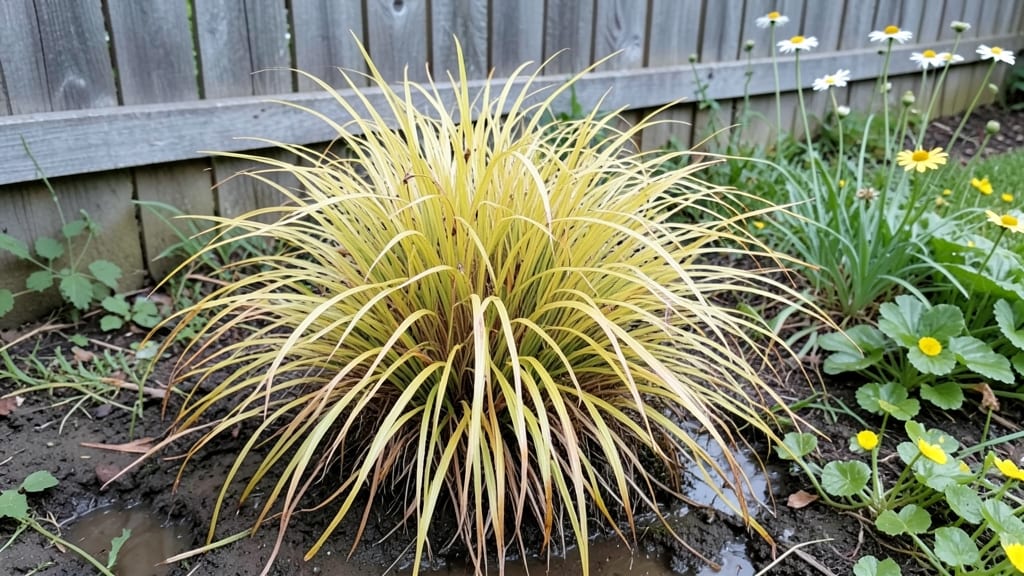
Boggy garden plants turn soggy patches into lush, thriving ecosystems. 🌿 I learned the hard way—my soggy backyard was a weed magnet until I planted the right water-loving species. The secret isn’t draining the soil but working with its natural moisture.
Native plants like cardinal flower, swamp milkweed, and sweet flag handle wet feet effortlessly. Add grasses like bluejoint or sedges for texture, and your "problem area" becomes a wildlife magnet. These plants need rich, organic soil but zero fuss—just water and occasional trimming.
You’ll end up with vibrant foliage that stays green all season, even when other gardens wilt. The scent of damp earth and buzzing pollinators makes it feel like a secret garden. Best of all, these plants outcompete weeds naturally.
Works in rain gardens, low spots, or even as pond edges. Let’s turn that soggy mess into a showstopper—without digging a single ditch.
📚 In This Guide
- What you need
- Instructions
- Tips and common mistakes
- Wrapping up and next steps
What you need
- ● Boggy Garden Plants: 1–3 Calla lilies (Zantedeschia) (perennial, shade-tolerant)
- ● 1–2 Marsh marigolds (Caltha palustris) (spring bloomers, hardy)
- ● 1 Sweet flag (Acorus calamus) (grasses for texture, 1–2 clumps)
- ● 1–3 Water mint (Mentha aquatica) (herbaceous, spreads gently)
- ● 1–2 Irises (Iris pseudacorus) (yellow flag irises, drought-tolerant)
- ○ Soil Amendments (Optional but Helpful): 5–10 lbs peat moss (for acid-loving plants)
- ● 5 lbs compost (to improve drainage and fertility)
- ● 1–2 lbs lime (if soil is too acidic, adjust per pH test)
- ● Tools: 1 garden trowel (for planting)
- ● 1 pruners (for trimming)
- ● 1 garden hose or watering can (with a gentle spray nozzle)
- ○ 1 pH testing kit (optional but recommended for soil health)
- ● 1–2 plastic containers or pots (for propagating cuttings)
- ● ✅ A wet or boggy area (soil should stay moist for at least 6+ months/year).
- ● ✅ Partial to full shade (most bog plants thrive in low light).
- ● ✅ Access to water (natural or supplemental irrigation).
- ● ✅ Time for planning (research plant pairings to avoid competition).
- ● 💡 Pro Tip: If your soil is too muddy, mix in sand or gravel (1 part sand to 3 parts soil) to improve aeration without drying out roots!
Step-by-Step guide to planting boggy garden plants
Here’s how to create a lush, thriving wetland garden that looks effortless.
🌱 Step 1: Test and Prepare Your Soil
First, check your soil’s moisture retention by digging a 6-inch hole and filling it with water. If it takes more than 24 hours to drain, your soil is already boggy—perfect for these plants. If it drains too quickly, amend with 2-3 inches of peat moss or compost to slow drainage while improving fertility. I like to mix in a handful of sulfur to lower pH slightly, which most wetland plants prefer.
For containers, use a blend of 50% peat moss and 50% perlite to mimic natural wetland conditions. This mix stays moist without becoming waterlogged. Avoid garden soil—it compacts and suffocates roots in wet conditions.
🌿 Step 2: Choose the Right Plants for Your Space
Pick plants that thrive in constant moisture but won’t smother each other. For 4 plants, try a mix of cattails, marsh marigolds, sweet flag, and lobelia—they handle wet feet beautifully. Space them 12-18 inches apart to allow airflow and prevent fungal issues. I always plant taller varieties like cattails at the back and shorter ones like lobelia in front for a layered look.
If your area gets full sun, opt for sun-loving bog plants like pickerelweed or water lilies. For shadier spots, skunk cabbage or swamp azalea will thrive. Avoid plants that need dry soil—they’ll rot within weeks.
💧 Step 3: Plant with Proper Spacing and Depth
Dig holes twice as wide as the root ball but only as deep as the container they came in. This prevents burying stems too deep, which can cause rot. Gently loosen roots if they’re circling in the pot before placing them in the hole. Fill around the roots with your prepared mix, pressing lightly to remove air pockets.
Water deeply right after planting to settle the soil and eliminate air gaps. You’ll know you’ve done it right when the surface looks slightly damp but not soggy. Mulch with 2 inches of pine bark or shredded leaves to retain moisture and suppress weeds—just don’t let it pile against stems.
☀️ Step 4: Maintain Moisture Without Overwatering
Boggy gardens need consistent moisture, but not standing water. Check soil moisture by sticking your finger 1 inch deep—if it feels dry, add water. In dry spells, I top off my bog garden every 2-3 days with a gentle hose spray to mimic natural rainfall. Avoid heavy watering, which can displace soil and expose roots.
Fertilize lightly in early spring with a balanced, water-soluble fertilizer (like 10-10-10) diluted to half strength. Too much fertilizer in wet soil leads to algae blooms and nutrient runoff. I skip fertilizing in fall—plants need to rest before winter.
✂️ Step 5: Prune and Divide as Needed
Deadhead spent blooms in late summer to encourage more flowers and prevent self-seeding where you don’t want it. For perennials like cattails or sweet flag, divide clumps in early spring when new growth appears. Dig up the plant, separate the roots with a clean knife, and replant the strongest sections. This keeps plants vigorous and prevents overcrowding.
Watch for yellowing leaves—this usually means too much sun or poor drainage. If leaves turn brown and crispy, your soil may be too dry. Bog plants are resilient, but they’ll tell you when something’s off. Adjust care based on their cues, not just the calendar.
Tips & tricks for perfect boggy garden planting
Creating a thriving wetland garden isn't rocket science—just a few smart tricks to keep your plants happy and healthy. Here's what I've learned after years of trial and error.
Soil Test Trick: When testing your soil's moisture retention in Step 1, use a clear plastic cup instead of digging a hole. Fill it with water and mark the water level. If it takes more than 24 hours to drain completely, you're golden—your soil is naturally boggy. This method is less messy and gives you a precise measurement without disturbing your garden layout.
Plant Layering Secret: In Step 2, think of your bog garden like a forest understory. Place your tallest plants—like cattails—at the back, then medium-height varieties such as marsh marigolds in the middle, and shorter plants like lobelia at the front. This creates natural shade for smaller plants while maximizing sunlight exposure for taller varieties. It's all about that vertical real estate!
Root Care Technique: Before planting in Step 3, soak the root balls of potted plants for 10-15 minutes. This helps remove any air pockets and ensures they're ready to establish in their new home. When loosening circling roots, use your fingers or a clean knife—no need for harsh tools that might damage delicate root systems. Gently is always better when working with wetland plants.
Mulching Mastery: That 2-inch layer of mulch in Step 3 isn't just for looks—it's your moisture retention superhero. Spread it evenly but keep it at least 2 inches away from plant stems to prevent rot. I like to use pine bark because it breaks down slowly and adds organic matter to the soil over time. Plus, it keeps those pesky weeds at bay without smothering your plants.
Pro Tips for Boggy Garden Plants
- Creating a thriving wetland garden isn't rocket science—just a few smart tricks to keep your plants happy and healthy.
- Soil Test Trick: When testing your soil's moisture retention in Step 1, use a clear plastic cup instead of digging a hole.
- Plant Layering Secret: In Step 2, think of your bog garden like a forest understory.
Frequently asked questions
Got questions about boggy garden plants?
You’re not alone! Here are answers to the most common concerns—from choosing the right plants to keeping them happy in soggy soil.
What are the best boggy garden plants for beginners?
Start with hardy, low-maintenance picks like Carex (sedges), Iris pseudacorus (yellow flag iris), or Mentha aquatica (water mint). These thrive in wet soil and handle occasional flooding. Avoid fussy plants like Lilies—they prefer drier conditions!
How do I know if my soil is too boggy for regular plants?
Test it! Press your finger into the soil—if water pools or the ground stays mushy for days after rain, it’s boggy. Signs like yellowing leaves or root rot in other plants also signal wetness issues. Bog plants love this environment, while most veggies and flowers will struggle.
When is the best time to plant boggy garden companions?
Spring or early fall is ideal—soil is moist but not frozen, and plants can establish roots before extreme weather. Avoid planting in winter (risk of frost damage) or peak summer (stress from heat/drought). Pro tip: If your area has heavy rains in spring, plant in late spring to avoid waterlogging.
Can I grow vegetables in boggy soil?
Some veggies adapt! Try kale, lettuce, or rhubarb—they tolerate dampness. For roots like carrots, amend soil with compost to improve drainage. Skip potatoes, tomatoes, or peppers—they rot in soggy conditions. Raise beds slightly or use containers if needed!
My bog plants look sad—what’s wrong?
Yellow leaves? Overwatering or poor drainage. Brown edges? Too much sun or drought stress. Fix it: Trim dead foliage, check soil moisture (bog plants hate drying out), and ensure partial shade if leaves scorch. Moss in the soil? Normal—it’s a sign of ideal wetness!
What’s a good alternative if I don’t want a full bog garden?
Create a rain garden! Plant bog-loving species in a shallow, saucer-shaped depression to catch excess water. Use native plants like Joe-Pye weed or switchgrass to blend beauty with function. Even a moisture-loving container garden on a patio works!
Wrapping up and next steps
Transforming a boggy garden into a thriving oasis is easier than you think—especially with the right wet-loving plants by your side! 🌿 From hardy ferns to vibrant irises, these companions not only survive but thrive in soggy soil, turning challenges into stunning landscapes.
The key? Plan ahead, choose native species, and embrace the beauty of moisture-loving flora.
Ready to take the next step? Start small—pick one or two plants from our list, test your soil, and watch your garden flourish. Whether you’re a seasoned gardener or a beginner, your boggy patch can become a lush, low-maintenance paradise with a little patience and passion! 🌱