
Container Gardens
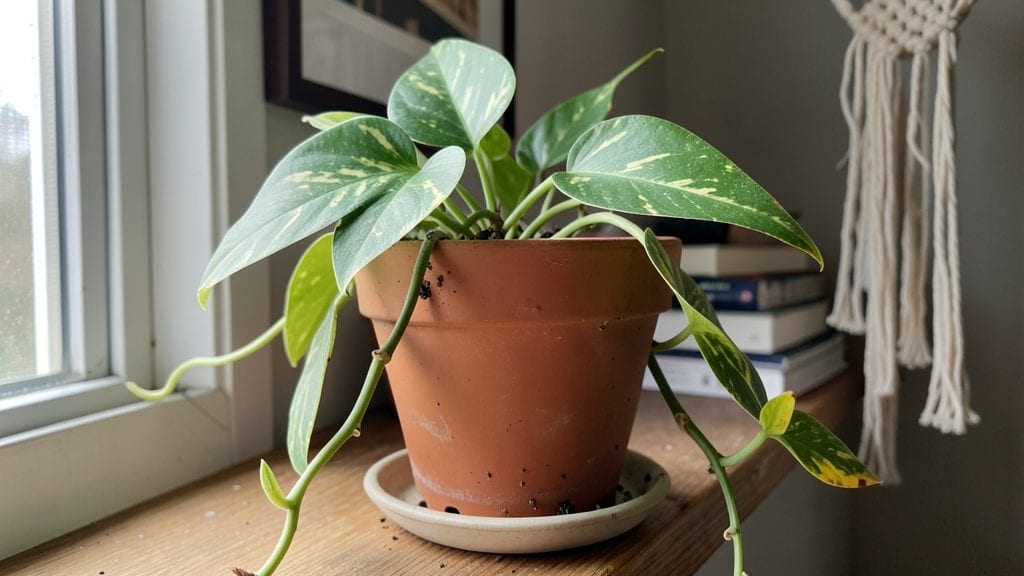
Even in my cozy 500-square-foot studio, my indoor apartment gardens thrive with low-light champions like snake plants and pothos—no backyard needed! ✨ Here’s how I turned my space into a lush green sanctuary with just clever placement and the right plant picks. stretch toward the window without demanding constant care.
The key is matching plants to your space's natural light and airflow. A simple shelf unit or hanging planters can double your growing area without clutter, while self-watering pots keep things simple for busy schedules. Even a north-facing apartment can support a vibrant collection with the right species.
You'll end up with air-purifying foliage that brightens every room and requires minimal maintenance. The right setup means fresh greenery year-round, no matter how small your space. Here's how to make it work without sacrificing style or sanity.
This approach works for any apartment size—from studio micro-gardens to multi-room plant collections. The secret is starting small, then expanding as you discover what thrives in your specific light and humidity conditions.
📚 In This Guide
- What you need
- Instructions
- Tips and common mistakes
- Wrapping up and next steps
What you need
- ● Containers: 3–5 pots (5–10" diameter, with drainage holes). Tip: Opt for lightweight, stackable pots to save space!
- ● Potting Mix: 1–2 bags of high-quality, well-draining soil (e.g., cactus/succulent mix or all-purpose blend).
- ● Drainage Medium: Small pebbles or broken pottery shards (1–2 cups) for pots without built-in drainage.
- ● Seeds or Seedlings: 3–6 low-light-tolerant plants (e.g., snake plants, pothos, or herbs like basil or mint).
- ● Watering Can or Spray Bottle: 1 with a fine mist setting for gentle hydration.
- ● Fertilizer: Balanced liquid fertilizer (e.g., 10-10-10) or slow-release granules.
- ● Pruning Shears: Small, sharp pair for trimming and shaping plants.
- ● Grow lights (LED or fluorescent) for low-light spaces.
- ● Self-watering planters or moisture meters for busy plant parents.
- ● Decorative trays or saucers to catch spills and add style.
- ● Plant labels or a notebook to track watering/fertilizing schedules.
- ● Humidity tray (pebble tray + water) for tropical plants.
How to design a thriving indoor apartment garden
Small spaces need smart solutions—here's how to pack lush greenery into any apartment corner.
🪴 Step 1: Select the Right Containers for Your Space
Start with containers that match your decor while meeting plant needs. I prefer stackable planters for vertical growth and wall-mounted shelves to free up floor space. Choose pots with drainage holes—even if you're using self-watering systems, excess moisture will kill roots over time. For 4 plants, use a mix of 2 hanging baskets (8-inch diameter), 1 deep windowsill planter (12-inch length), and 1 compact floor pot (10-inch diameter).
Measure your light sources first. A south-facing window will support more plants than a north-facing one, so adjust your container selection accordingly. I always test-fit containers in their final spots before planting—nothing worse than realizing a planter won't reach the light after you've already potted up.
☀️ Step 2: Choose Plants That Match Your Light Conditions
Identify your apartment's light zones: bright indirect (best for most greens), low light (for snake plants or ZZ plants), and direct sun (if you have a sunny window). For 4 plants, I recommend 1 pothos (bright indirect), 1 spider plant (medium light), 1 succulent (direct sun), and 1 parsley (bright indirect)—this gives you variety while keeping maintenance manageable.
Succulents and herbs like parsley need at least 4-6 hours of direct light, while pothos and spider plants thrive in bright indirect light. If your space is dim, opt for snake plants or peace lilies—they tolerate 2-3 hours of indirect light and still look stunning. Rotate containers quarter-turn weekly so plants grow evenly toward the light source.
💧 Step 3: Layer Soil and Plant for Optimal Drainage
Fill each container with 2-3 inches of gravel or perlite at the bottom for drainage, then add potting mix until you reach 1 inch below the rim. For 4 plants, you'll need about 3 gallons of potting mix total. Press the soil lightly—it should hold its shape but not be compacted. I like to add a slow-release fertilizer (like 1 tablespoon per pot) at planting to give roots a nutrient boost without risking burn.
Remove plants from their nursery pots and loosen the roots gently if they're circling. Place each plant in its container, then fill around the base with more potting mix, pressing lightly to eliminate air pockets. Water immediately after planting—this helps the soil settle and removes any gaps where roots might dry out.
✂️ Step 4: Establish a Watering and Care Routine
Water when the top inch of soil feels dry—this varies by plant but generally means every 5-7 days for herbs, every 10-14 days for succulents, and every 7-10 days for pothos or spider plants. Overwatering is the #1 killer of indoor plants, so I always check moisture with my finger before watering. Use a spray bottle for mist-loving plants like ferns and deep watering for succulents to encourage strong root growth.
Dust leaves weekly with a damp cloth—this mimics natural rain and helps plants absorb light. For herbs, pinch off yellowing or wilted leaves immediately to encourage bushier growth. If you notice leggy growth (long, thin stems), your plants need more light. Move them closer to the window or supplement with a grow light for 12-14 hours daily.
🌿 Step 5: Prune and Propagate for Long-Term Growth
Trim back leggy stems to encourage bushier growth, and propagate cuttings to expand your garden without cost. Pothos and spider plants root easily in water—just place a 4-inch cutting in a jar of water until roots form (2-3 weeks), then transplant. For herbs like parsley, harvest outer leaves first to stimulate new growth. I always prune just above a leaf node to redirect energy to the plant's center.
Rotate containers monthly to prevent plants from leaning toward one light source. This ensures even growth and keeps your garden looking full and balanced. If you notice yellowing leaves, it’s often a sign of overwatering—let the soil dry out completely before watering again. For brown, crispy edges, your plant needs more humidity—place a tray of water with pebbles nearby or group plants together to create a microclimate.
Tips & tricks for perfect indoor apartment gardens
A few clever strategies will help you maximize every inch of your space while keeping your plants thriving.
Container Placement Strategy: Before planting, use painter's tape to mark where each container will sit—this prevents overcrowding and ensures every plant gets its required light. I always place my 8-inch hanging baskets near the brightest windows and reserve the 12-inch windowsill planter for herbs like parsley that need direct sun. This simple step prevents the frustration of plants outgrowing their spots later.
Light Optimization Hack: If your apartment lacks natural light, supplement with a LED grow light on a timer for 12-14 hours daily. Position it 6-12 inches above plants and rotate containers weekly to prevent lopsided growth. For pothos and spider plants, this mimics bright indirect light perfectly. I've kept thriving gardens in windowless rooms using just this setup!
Soil Preparation Secret: Mix 1 tablespoon of slow-release fertilizer directly into the 3 gallons of potting mix before planting—this eliminates the need for monthly feeding. For extra drainage in hanging baskets, add an additional ½ inch of perlite to the bottom layer. This prevents root rot, which is especially critical for succulents in your collection.
Propagation Timeline: When propagating pothos or spider plant cuttings, place them in water with just 1-2 inches submerged—this encourages faster root growth. Change the water every 3-4 days to prevent bacterial growth. Most cuttings develop roots in 2-3 weeks, but I've seen some ready in just 10 days if kept in warm conditions.
Pro Tips for Indoor Apartment Gardens
- A few clever strategies will help you maximize every inch of your space while keeping your plants thriving.
- Container Placement Strategy: Before planting, use painter's tape to mark where each container will sit—this prevents overcrowding and ensures every plant gets its required light.
- Light Optimization Hack: If your apartment lacks natural light, supplement with a LED grow light on a timer for 12-14 hours daily.
Frequently asked questions
Got questions about indoor apartment gardens?
You’re not alone! Here are answers to the most common concerns—from sunlight struggles to pet safety—to help you grow with confidence.
What’s the easiest plant for beginners in a small apartment?
Start with snake plants or pothos—they thrive in low light and need minimal water. ZZ plants are also drought-resistant and perfect for forgetful gardeners. These hardy picks forgive mistakes and add instant greenery!
How can I grow plants if my apartment has no natural sunlight?
Invest in a full-spectrum LED grow light (like a 10,000-lux bulb) and place it 6–12 inches above your plants for 12–16 hours daily. Herbs like basil and lettuce grow well under lights, while succulents may need shorter exposure. Rotate plants weekly for even growth!
Are indoor gardens safe for pets or kids?
Some plants are toxic—like philodendrons or aloe vera—while others are pet-friendly, such as Spider plants or Boston ferns. Research your plants or opt for a pet-safe starter kit. Keep toxic plants out of reach and teach kids not to eat leaves!
How often should I water my indoor apartment garden?
Check soil moisture with your finger—water when the top inch feels dry. Overwatering is the #1 killer! Use self-watering pots or moisture meters for consistency. Succulents need water every 2–3 weeks, while herbs may need weekly attention. Drain excess water to avoid root rot.
Can I use regular potting soil for my indoor garden?
Not always! Indoor plants often need well-draining, aerated mixes like cactus soil (for succulents) or peat-based blends (for herbs). Add perlite or vermiculite to improve drainage. For hydroponics, use a lightweight, sterile growing medium like coco coir or rockwool.
How quickly will I see results in my indoor garden?
Fast-growing plants like basil or green onions may sprout in 2–3 weeks, while leafy greens take 4–6 weeks. Slow growers (like orchids) can take months. Patience pays off—monitor light, water, and nutrients for the best timeline!
Wrapping up and next steps
Transforming your apartment into a lush indoor garden is easier—and more rewarding—than you think! With the right space-saving containers, sunlight hacks, and low-maintenance plants, you can bring nature indoors without sacrificing style or sanity.
Whether you’re a green thumb or a beginner, every small step—like starting with a windowsill herb garden or a hanging fern—builds confidence and beauty.
Ready to grow? Pick one plant or container this week and watch your space (and skills) flourish. Your future self—and your plants—will thank you! 🌱✨