
Container Gardens
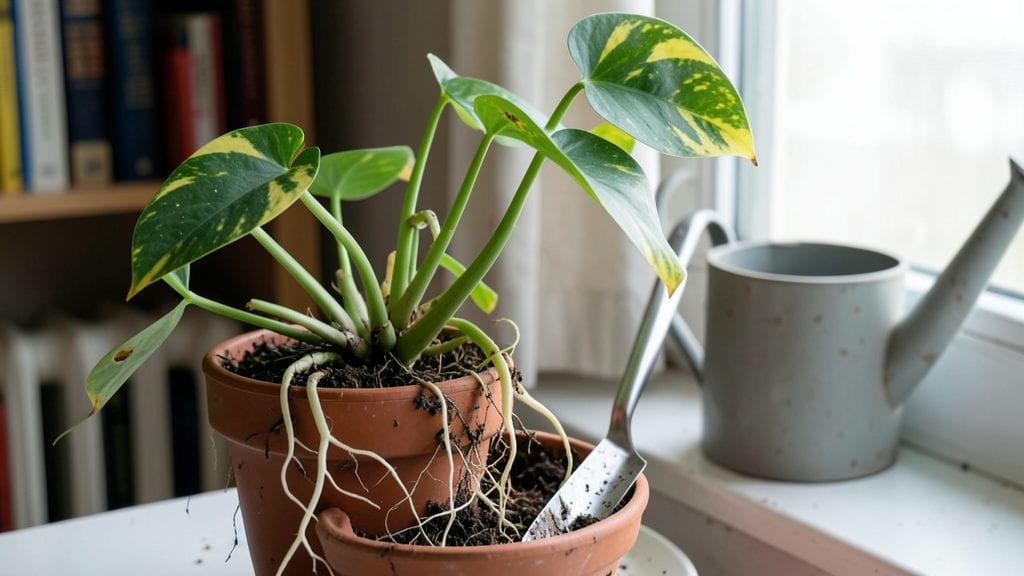
Indoor gardening activities don’t need to be complicated to bring life into your home. 🌿 I learned that after my first failed attempt with a fussy fern—now I focus on projects that thrive with minimal effort but maximum impact, like vertical gardens that turn walls into living art.
The key is matching plants to your space, light, and lifestyle, not the other way around.
Start with what you’ve got: a sunny windowsill, a corner shelf, or even a repurposed ladder. My favorite beginner projects include hanging planters for herbs, a self-watering terrarium for moss, and a simple pegboard system that holds succulents without taking up floor space.
These ideas work in apartments, offices, or sunrooms—no green thumb required.
You’ll end up with lush greenery that cleans the air, boosts your mood, and stays vibrant all year. The best part? No digging, no weeds, and no excuses for not gardening.
Whether you’re reviving a brown thumb or just love the smell of fresh basil, these activities make indoor gardening feel effortless and rewarding.
Perfect for small spaces, busy schedules, or anyone who wants to grow without the fuss. Let’s get your home filled with life—one simple project at a time.
📚 In This Guide
- What you need
- Instructions
- Tips and common mistakes
- Wrapping up and next steps
What you need
- ● Containers: 3–5 small pots (4–6 inches wide) or a single large tray (12+ inches) with drainage holes. Options: Ceramic, terracotta, or recycled containers (like mason jars for herbs!).
- ● Potting Mix: 1–2 bags of well-draining mix (e.g., cactus/succulent mix for drought-tolerant plants or a light peat-based blend for herbs). Avoid garden soil—it’s too dense!
- ● Drainage: Small pebbles, perlite, or broken pottery (1 cup) to layer at the bottom of pots.
- ● Seeds/Seedlings: Beginner-friendly picks: Basil, mint, chives, or leafy greens (like lettuce).
- ● Low-light lovers: Snake plants, pothos, or ZZ plants.
- ● Sun-seekers: Succulents (e.g., jade or echeveria) or dwarf citrus trees.
- ● Watering Can or Spray Bottle: A small one (8–16 oz) with a narrow spout for precision.
- ○ Fertilizer: Balanced liquid fertilizer (5-5-5 or 10-10-10) or slow-release granules. Optional: Organic options like fish emulsion or compost tea.
- ○ Grow Lights (Optional): LED clip lights or a small shelf light (10–15 watts) for plants needing 6+ hours of light/day.
- ● Humidity tray: A shallow tray with pebbles + water to boost moisture for tropical plants.
- ● Plant labels: Toed labels or popsicle sticks to track your greens.
- ● Pruning shears: Small, sharp scissors for trimming (sterilize with rubbing alcohol!).
- ● Self-watering system: Wick-based kits or a moisture meter for hands-off care.
- ● Decorative touches: Paint, mosaic tiles, or fairy lights to jazz up your setup!
How to start an indoor gardening project with confident, low-maintenance plants
Here’s how to begin your indoor garden with plants that thrive without fuss—no green thumb required.
🌱 Step 1: Choose the Right Plants for Your Space
Start with easy-care varieties like pothos, snake plants, or spider plants—these tolerate low light and irregular watering. Check your space for natural light sources: a north-facing window gets gentle light, while south-facing offers bright, direct rays. Place plants accordingly to avoid stress. I always test a spot for a few days first by moving a potted plant there—if it thrives for a week, it’s a good match.
If your home has low light, opt for cast iron plants or ZZ plants, which survive under fluorescent bulbs. For bright areas, try herbs like basil or mint—they reward you with edible harvests. Avoid fussy plants like ferns or calatheas unless you’re ready to babysit humidity levels.
🪴 Step 2: Select Containers and Soil for Healthy Growth
Use containers with drainage holes—no exceptions. I repurpose ceramic mugs, plastic nursery pots, or even old tin cans with holes punched in the bottom. Fill each with well-draining potting mix (never garden soil) to prevent root rot. The mix should feel light and airy, like a damp sponge.
For 4 plants, you’ll need 4-6 inch pots—smaller than you think. Overpotting leads to soggy soil, while tight spaces encourage root competition. Add a layer of pebbles or broken pottery at the bottom of each pot to boost drainage. This tiny step saves you from waterlogged disasters down the line.
☀️ Step 3: Position Plants for Optimal Light Exposure
Place plants within 3 feet of a window for best results. Rotate pots quarter-turn weekly so they grow evenly—you’ll notice leaves stretching toward the light if they’re not getting enough. For supplemental light, use a grow bulb (not a regular bulb) on a timer for 12-14 hours daily. Avoid placing plants near drafts, vents, or direct AC airflow—they hate temperature swings.
Watch for yellowing leaves on the lower stems: this means too much light. Brown, crispy edges? Too dry or too hot. Adjust placement until your plants look vibrant and perky—that’s your success signal. I keep a small notebook nearby to track where each plant thrives.
💧 Step 4: Water with Precision (Not Guesswork)
Water when the top inch of soil feels dry—stick your finger in to check. Most indoor plants prefer bottom-watering: place pots in a tray of water for 10-15 minutes, then drain excess. This method encourages roots to grow deeper, making plants stronger. Overwatering is the #1 killer, so when in doubt, wait another day.
Group plants with similar water needs together. Succulents like jade plants need water every 2-3 weeks, while herbs like parsley thrive with weekly moisture. Mist leaves occasionally for humidity-loving plants, but avoid soggy soil at all costs. A spray bottle works for delicate foliage—just a light mist, not a drenching.
✂️ Step 5: Prune and Maintain for Long-Term Success
Trim yellow or damaged leaves with clean scissors to keep plants looking fresh. Pinch back leggy growth to encourage bushier shapes—this is especially helpful for herbs like basil. I prune mine every 4-6 weeks to promote new growth. Always sterilize your tools with rubbing alcohol to prevent disease.
Dust leaves monthly with a damp cloth—plants breathe better when they’re clean. Repot every 1-2 years when roots outgrow the container. If you see roots circling the pot’s bottom, it’s time to upgrade. Choose a pot just 1-2 inches larger in diameter to avoid shocking the plant with too much space.
Tips & tricks for perfect indoor gardening success
Here's how to turn your indoor gardening dreams into reality—without the stress.
Plant Selection Insight: In Step 1, when choosing plants, consider their growth habits. Snake plants and ZZ plants grow vertically, making them perfect for tight spaces or shelves. Pothos, on the other hand, trails beautifully from hanging pots or shelves, adding visual interest. I always pick one vertical grower and one trailing plant to create a balanced look that works with any decor.
Container Creativity: Step 2 opens up so many possibilities beyond traditional pots! For your 4 plants, consider using vintage teacups for herbs like basil, or even repurposed tin cans for your snake plant. Just remember—any container must have drainage holes. If you're using decorative pots without holes, place them inside saucers with pebbles and water to catch excess moisture. This keeps your plants happy while letting you get creative with presentation.
Light Exposure Strategy: The 12-14 hour daily light requirement from Step 3 can be tricky in winter. If your space gets limited sunlight, place your grow bulb within 6 inches of the plants for maximum effectiveness. I've found that rotating the bulb position weekly (along with your plants) helps prevent uneven growth. For extra efficiency, use a timer to automate the lighting—this ensures consistent light exposure even when you forget.
Watering Wisdom: When implementing the 10-15 minute bottom-watering technique from Step 4, pay attention to how quickly water drains. If water pools at the bottom after 10 minutes, your pot might need better drainage. For plants like parsley that need weekly watering, I set a phone reminder every Sunday morning to check moisture levels. This simple habit prevents both underwatering and the dreaded overwatering that kills so many indoor plants.
Pro Tips for Indoor Gardening Activities
- Here's how to turn your indoor gardening dreams into reality—without the stress.
- Plant Selection Insight: In Step 1, when choosing plants, consider their growth habits.
- Container Creativity: Step 2 opens up so many possibilities beyond traditional pots!
Frequently asked questions
Got questions about indoor gardening?
You’re not alone! Here are answers to the most common concerns—so you can dive in with confidence and keep your green thumbs happy all year.
What are the easiest plants for beginners?
Start with low-maintenance picks like snake plants, pothos, or ZZ plants. These thrive in indirect light, need minimal water, and forgive occasional neglect. Herbs like basil or mint are also great for quick rewards!
How often should I water my indoor plants?
Most indoor plants prefer infrequent but deep watering. Stick your finger 1-2 inches into the soil—if it’s dry, water thoroughly. Overwatering is a bigger risk than underwatering! Pro tip: Use pots with drainage holes to avoid soggy roots.
Can I use regular potting soil for all indoor plants?
Not always! Some plants (like succulents or orchids) need specialized mixes for drainage or aeration. Check the plant’s care tag or research its needs—cactus soil is gritty, while ferns love peat-heavy blends. Mixing in perlite or vermiculite helps too!
Why are my leaves turning yellow or crispy?
Yellow leaves often mean overwatering or poor drainage, while crispy edges signal underwatering or dry air. Adjust your routine: trim dead leaves, check humidity (a pebble tray helps!), and move plants away from heat sources like vents.
What’s the best spot for indoor gardening in a small apartment?
Maximize natural light near windows (south-facing is ideal) but avoid harsh direct sun. Rotate plants weekly for even growth. If light is limited, try grow lights (LED bulbs work great) or opt for shade-tolerant plants like philodendrons or cast iron plants.
Wrapping up and next steps
Indoor gardening is your ticket to year-round greenery and fresh air—no green thumb required! Whether you’re growing herbs on a windowsill or nurturing a mini jungle, these zero-fuss activities bring life, color, and even edible rewards into your home. Start small, stay consistent, and let your space thrive.
Ready to dive in? Pick one plant or project today—your future self (and your plants!) will thank you. 🌱✨