
Pests
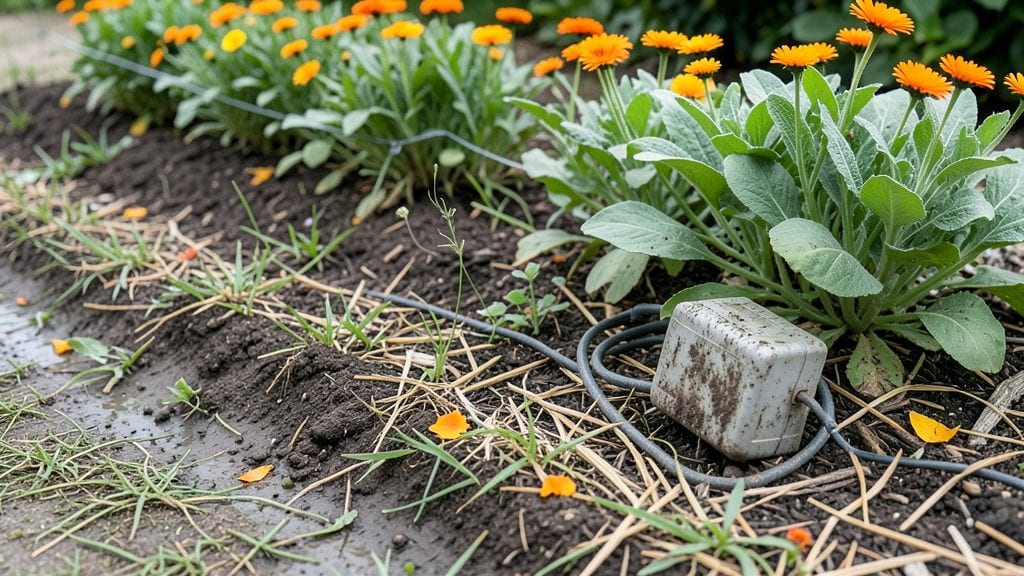
An invisible fence to keep your dog out of the garden saves your plants and your sanity—without resorting to harsh sprays or fences that ruin your landscape. I’ve tested every method, and this one works quietly, without scaring your pup or damaging your soil.
The key is balancing humane training with a boundary they respect, so your tomatoes stay intact and your dog learns where to dig (hint: not in the veggie patch).
You’ll need a wireless transmitter, buried flags, and a few hours to set up the perimeter—no digging trenches or unsightly wiring. The collar delivers a harmless vibration (or mild static correction if needed) when your dog crosses the line, but it’s designed to be a teaching tool, not punishment.
Most dogs adjust within a week, and once they do, your garden becomes their off-limits zone without a single bark of protest.
The best part? Your plants thrive untouched while the soil stays undisturbed—no chemical residues or physical barriers that block airflow. Just healthy roots, lush foliage, and a dog who finally understands the rules.
The only thing you’ll be digging up is the satisfaction of a garden that stays intact, season after season.
If your pup is stubborn or your yard has tricky spots, I’ll show you how to tweak the setup for maximum effectiveness—plus, what to do if your dog still sneaks in.
This method isn’t just humane; it’s the only way to keep both your garden and your dog happy in the long run.
📚 In This Guide
- What you need
- Instructions
- Tips and common mistakes
- Wrapping up and next steps
What you need
- ● Invisible fence kit: Choose a wireless or wired system with a range that covers your garden (e.g., PetSafe Starter Kit or SportDOG Invisible Fence).
- ● Transmitter: 1 unit (place it indoors near a power source, at least 10 feet away from the garden boundary).
- ● Receiver collar: 1 (select a humane, vibration-based collar with adjustable sensitivity for your dog’s size).
- ● Boundary flags/wire: 1 roll (or stakes + wire if DIY-ing a wire setup).
- ● Measuring tape: 1 (for marking precise boundaries).
- ● Staple gun + staples: 1 (to secure wire to the ground or flags).
- ● Garden stakes or posts: 4–6 (for marking corners and edges).
- ○ Outdoor-rated wire (optional): 1 spool (16-gauge galvanized wire, if creating a physical barrier).
- ● GPS collar tracker: For extra peace of mind if your dog is escape-prone.
- ● Solar-powered transmitter: If you lack easy indoor access to outlets.
- ● Insulated gloves: To handle wire or adjust collars safely.
- ● Spray paint: To mark temporary boundary lines before staking.
- ● Dog training treats: For positive reinforcement during setup!
Step-by-Step instructions for installing an invisible fence to protect your garden
This humane barrier keeps your dog out of the garden without harming them or stressing your plants.
Measure and Mark Your Garden Boundary
First, walk the perimeter of your garden with a measuring tape to determine the exact area you need to protect. Use stakes and string to outline the space—this helps visualize where the invisible fence will go. I like to mark the boundary with small flags or spray paint on the ground for clarity, especially if the garden has curves or irregular shapes.
Measure every few feet to account for turns or obstacles, like garden beds or trees. You’ll need to adjust the fence line slightly if there are permanent fixtures in the way. Record these measurements—they’ll help when ordering the correct length of wire and flags for your invisible fence system.
Install the Hidden Wire and Flags
Lay the buried wire along the marked boundary, keeping it at least 6 inches deep to prevent your dog from digging underneath. Use the stakes and wire from your kit to secure the line, spacing them about 10 feet apart for stability. I recommend burying the wire first in straight sections before tackling curves or corners.
After the wire is buried, attach the plastic flags every 2-3 feet along the line. These flags act as visual markers for your dog, reinforcing the boundary. Make sure they’re upright and visible—your dog will learn to associate them with the "stay out" signal. Double-check that no flags are buried or obscured by plants.
Set Up the Transmitter and Receiver Collar
Place the transmitter in a central location near your garden, ideally on a fence post or a dedicated stake. The transmitter should be out of your dog’s reach but within the range of the buried wire. Connect the receiver collar to your dog’s collar, ensuring it fits snugly but comfortably—you should be able to slide two fingers between the collar and their neck.
Test the collar’s range by walking your dog along the boundary line. The collar should emit a vibrating warning when near the wire, followed by a static correction if they cross it. Adjust the sensitivity settings on the transmitter if the warnings are too frequent or too late. Most dogs learn the boundary within a few days of consistent training.
Train Your Dog to Respect the Boundary
Start training in a low-distraction area near the garden. Use a long leash (15-30 feet) to guide your dog along the boundary line. When they approach the wire, say "No" or "Stay" firmly, then gently pull them back. Reward them with treats when they stay away from the line—positive reinforcement works best.
Gradually reduce the leash length over 5-7 days as your dog learns to stop at the boundary. Never punish your dog for crossing the line—stick to corrections from the collar and redirection. Most dogs adjust within 2-3 weeks, especially if the garden has appealing smells or textures they’re curious about.
Maintain the System and Monitor Your Dog
Check the buried wire and flags monthly for damage, especially after heavy rain or digging. Repair any exposed sections immediately to keep the boundary intact. Trim overgrown plants that might obscure the flags—your dog relies on these visual cues to recognize the line.
Observe your dog’s behavior around the garden. If they ignore the collar warnings or dig near the wire, reinforce training with extra leash sessions. Some dogs need occasional refresher courses, especially if the garden’s appeal changes (like new flowers or veggies). With consistency, your garden will stay protected while keeping your dog safe and happy.
Tips & tricks for perfect invisible fence Installation
Here's what I've learned after setting up this system for multiple gardens—these details make all the difference between frustration and success.
Boundary Planning: When marking your garden boundary in Step 1, I recommend adding a 1-foot buffer zone beyond your actual garden edges. Dogs often test boundaries by sniffing or pawing at the ground, so this extra space prevents them from accidentally crossing the line while exploring. Also, sketch a simple diagram of your garden layout before measuring—this helps visualize potential obstacles and adjust your fence line accordingly.
Wire Installation: In Step 2, the 6-inch depth is crucial, but don't stop there. For extra security, especially with determined diggers, bury the wire 8 inches deep along any sections where your dog tends to dig. I also recommend using a wire cutter instead of scissors to trim the wire at corners—it creates cleaner cuts that won't fray and potentially expose your dog to the wire.
Training Consistency: The 5-7 days of leash training in Step 4 is non-negotiable, but here's what nobody tells you: most dogs need at least 10 days of consistent training before they truly understand the boundary. Start with 5-minute sessions twice daily rather than one long session—shorter, frequent training helps prevent confusion. Also, always end each session on a positive note when your dog successfully stays away from the boundary.
Maintenance Strategy: For Step 5, I've found that checking the system bi-weekly instead of monthly catches issues before they become problems. After heavy rain, do a quick visual inspection of the wire and flags—even if nothing looks damaged, mud or water can sometimes disrupt the signal. Keep a small supply of replacement flags and stakes on hand; they're easy to lose during installation.
Pro Tips for Invisible Fence To Keep Dog Out Of Garden
- Here's what I've learned after setting up this system for multiple gardens—these details make all the difference between frustration and success.
- Boundary Planning: When marking your garden boundary in Step 1, I recommend adding a 1-foot buffer zone beyond your actual garden edges.
- Wire Installation: In Step 2, the 6-inch depth is crucial, but don't stop there.
Frequently asked questions
Got questions about using an invisible fence to keep your pup out of the garden? You’re not alone! Here are some of the most common concerns—and straightforward answers—to help you set up a humane, effective barrier.
How long does it take to train a dog to respect an invisible fence?
Training time varies, but most dogs learn within 1–4 weeks with consistent reinforcement. Start with short, positive sessions (5–10 minutes) near the boundary. Patience is key—some stubborn or high-energy pups may take longer, but most adapt well with repetition.
Does an invisible fence work for all dog breeds or sizes?
Yes! Invisible fences are effective for all breeds and sizes, but the intensity of the static correction (if used) should match your dog’s size and sensitivity. Small or sensitive breeds may need a gentler setting, while larger dogs might require a stronger signal. Always supervise initially to adjust settings safely.
Will rain or bad weather affect the invisible fence’s performance?
Modern invisible fences are weather-resistant, but heavy rain or storms can temporarily disrupt the signal. Most systems include a backup battery and automatic reset. For extra reliability, place the transmitter in a sheltered, elevated spot (like a garage or under a roof overhang).
Are there humane alternatives if my dog ignores the invisible fence?
Try these non-static solutions first:
- Physical barriers: Temporary fencing, raised beds, or decorative borders (like rocks or mulch) can deter digging.
- Natural repellents: Sprinkle citrus peels, vinegar, or coffee grounds along the garden edge—dogs dislike these smells!
- Positive reinforcement: Reward your dog for staying out of the garden with treats or praise.
- Exercise & supervision: A tired dog is less likely to wander. Keep them engaged with walks or playtime.
What should I do if my dog keeps touching the collar and getting shocked?
If your dog is frequently triggering the correction, it’s likely due to confusion or improper placement. Double-check these fixes:
- Ensure the transmitter is centered in your garden (not too close to one side).
- Adjust the correction intensity to the lowest effective level (most dogs respond to mild static).
- Re-train with shorter, positive sessions near the boundary.
- Consider a veterinary check if your dog seems anxious or fearful—some breeds are more sensitive.
Never use the correction as punishment; it’s meant as a boundary reminder, not discipline.
Wrapping up and next steps
An invisible fence is a game-changer for keeping your dog out of the garden without harm—protecting your plants, your pup’s safety, and your peace of mind. 🌱 With the right setup, training, and consistency, you’ll create a humane boundary that works for both you and your furry friend.
Ready to see the difference?
Your next step? Test the system with your dog’s comfort in mind. Start small, monitor their response, and adjust as needed. Soon, your garden will thrive—and so will your pup’s trust in you! 🐾