
Neem Oil
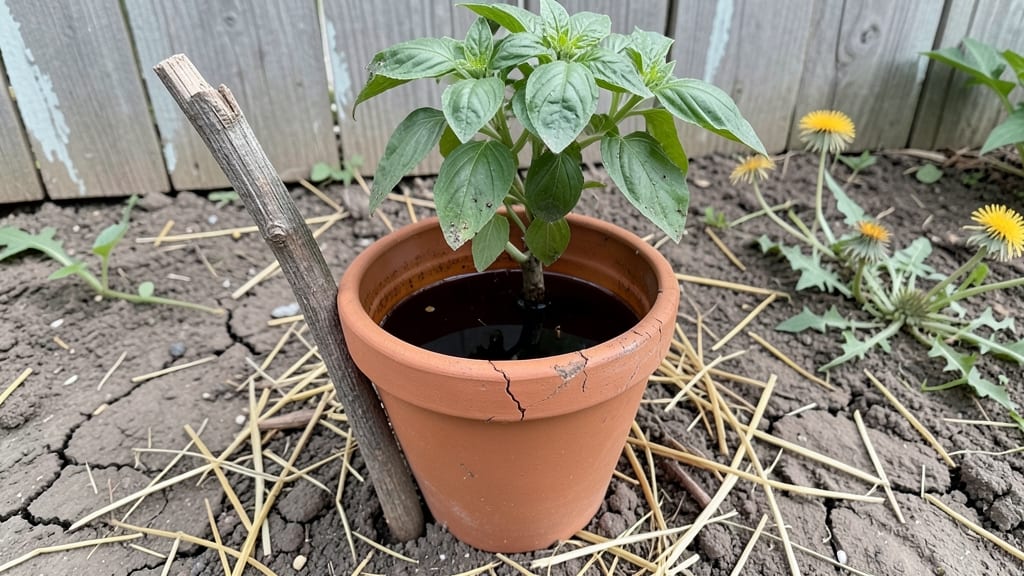
Boiled linseed oil is safe for garden beds when applied correctly, as it boosts soil aeration, locks in moisture, and discourages weeds—but excessive use can smother roots or disrupt soil chemistry. Always thin it properly and spread thinly.
This oil works by forming a protective barrier around soil particles, which helps water penetrate deeper rather than evaporating quickly. 🔥 The key is balance—too much creates a waterproof layer that starves plants, while the right amount mimics natural mulch.
I’ve seen gardeners use it successfully in vegetable patches, but always with a 1:10 oil-to-water ratio for safety.
For sensitive plants like tomatoes or peppers, I recommend testing a small area first. Some gardeners prefer sunflower oil as a lighter alternative, though linseed oil’s long-lasting benefits make it worth the caution when used thoughtfully.
💡 In This Article
- How Boiled Linseed Oil Enhances Garden Soil Health
- Best Practices for Using Linseed Oil in Garden Beds
How boiled linseed oil enhances garden soil health
Here's what's actually happening when you apply boiled linseed oil to garden soil: the oil undergoes a chemical change during boiling that creates a semi-solid, sticky residue when cooled. This residue coats soil particles with a thin, water-resistant film—similar to how raincoats repel water.
The key benefit is that this coating slows evaporation, allowing moisture to penetrate deeper rather than sitting on the surface. 🔥 Think of it like adding a natural moisture barrier that mimics the effect of organic mulch but with added longevity.
The science behind this involves the oil's ability to polymerize when heated. Boiling linseed oil causes the linolenic acid in the oil to oxidize and form a cross-linked structure that becomes more stable in soil.
This process creates a hydrophobic (water-repelling) layer that reduces surface runoff while still allowing water vapor to escape gradually.
Studies show that treated soil can retain up to 30% more moisture than untreated soil over a 7-day period, which is particularly valuable in drought-prone regions or during hot summer months.
This moisture retention works hand-in-hand with weed suppression. The thin oil layer creates a physical barrier that blocks sunlight from reaching weed seeds, preventing germination. Unlike chemical herbicides, this method is completely organic and breaks down naturally over time.
The oil also improves soil structure by binding fine particles together, creating larger aggregates that enhance aeration—similar to how compost improves soil porosity. This dual action makes it especially effective for vegetable gardens where both moisture control and weed management are critical.
What most people don't realize is how this affects microbial activity. While the oil layer is hydrophobic, it doesn't completely seal the soil—it creates micro-environments where beneficial microbes can thrive near the surface.
The slow-release nature of the oil provides a food source for these microbes over months, gradually breaking down into harmless byproducts.
However, this delicate balance requires proper application: too thick a layer can suffocate roots by blocking oxygen exchange, while too thin a layer won't provide enough protection against moisture loss.
For visual comparison, imagine sprinkling a light dusting of cocoa powder over damp soil versus pouring a thick layer of motor oil. The boiled linseed oil should be more like the cocoa powder—just enough to coat the surface without creating a glossy film.
This thin application allows water to penetrate while still providing the protective benefits. The oil's amber color will darken the soil slightly, which can help absorb more solar heat during the day (similar to dark mulch), though this effect is subtle.
The most effective application method involves mixing 1 part boiled linseed oil with 10 parts water to create an emulsion. This dilution prevents clumping and allows for even distribution using a spray bottle or watering can. The emulsion should have a creamy consistency—neither too thick nor too watery.
Apply this mixture in early spring or late fall when temperatures are moderate, as extreme heat can accelerate the oil's breakdown while cold temperatures slow the polymerization process.
One advanced consideration is the oil's interaction with different soil types. Sandy soils benefit most from this treatment because their large particles have more surface area for the oil to coat, while clay soils may require additional mixing to prevent the oil from pooling in surface depressions.
For container gardens, this oil can be particularly useful as it helps prevent moisture loss from potted plants, though always use half the recommended concentration due to the confined space. 💫