
Advice
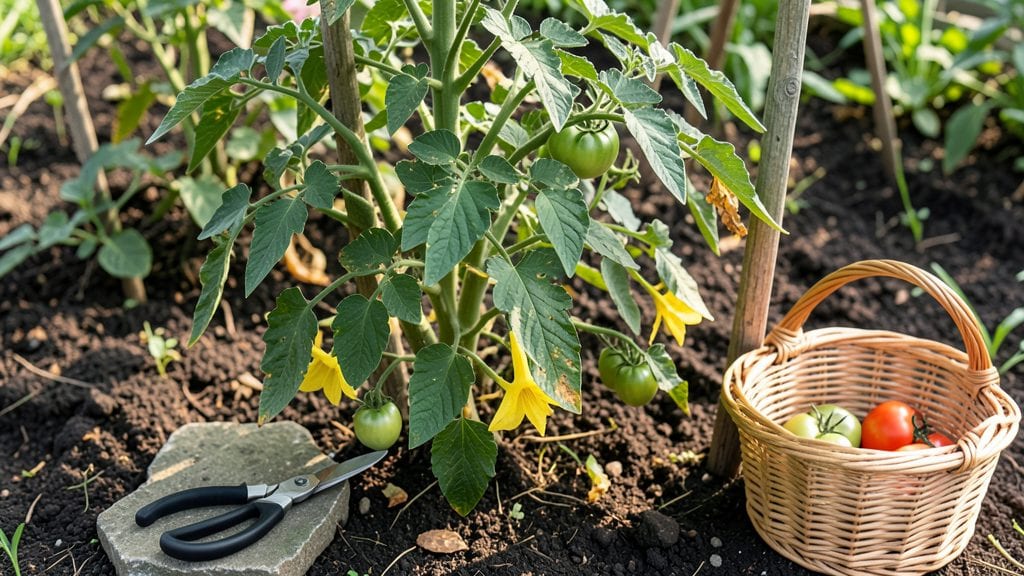
July gardening tasks hinge on heat-resistant planting and pest-proofing before things spiral out of control. ✨ I’ll never forget the first time I watched okra bolts in 90-degree heat—lesson learned the hard way.
The key is working with the sun, not against it: plant late in the day, mulch aggressively, and keep pests from turning your garden into their buffet.
Your July checklist starts with heat-loving crops like sweet potatoes, black-eyed peas, and malabar spinach—these thrive when temps climb. Prune early-morning bloomers like roses to encourage fall growth, and deadhead spent flowers to redirect energy. Watering shifts to deep, infrequent soaks before dawn to prevent fungal issues.
You’ll end up with a garden that stays productive through August: crisp harvests of tomatoes and peppers, fewer aphid colonies, and soil that holds moisture instead of baking dry.
The secret’s in the details—like checking soil moisture with a finger instead of guessing, or setting up row covers to shield young plants.
Works for backyard plots, raised beds, or even container gardens on patios. Here’s how to make July your most resilient gardening month yet.
📚 In This Guide
- What you need
- Instructions
- Tips and common mistakes
- Wrapping up and next steps
What you need
- ● Heat-tolerant seeds/seedlings: Okra (10-20 plants)
- ● Sweet potatoes (slips or tubers, 5-10 per 10 ft row)
- ● Southern peas (5-10 seeds per hill)
- ● Black-eyed Susans (10-15 plants)
- ● Soil amendments: Compost (2-3 inches per planting area)
- ● Mulch (straw or pine straw, 2-3 inches thick)
- ● Watering supplies: Drip irrigation kit or soaker hoses (for deep watering)
- ● Watering can with a long spout (for seedlings)
- ● Hand tools: Trowel (for transplanting seedlings)
- ● Pruners (sharp, for trimming)
- ● Garden gloves (heat-resistant, 1-2 pairs)
- ● Pest control: Neem oil spray (1-2 bottles)
- ● Row covers (floating fabric, 3x6 ft or custom size)
- ● Yellow sticky traps (5-10 traps for aphids/whiteflies)
- ○ Optional (but helpful!): Shade cloth (30-50% coverage for seedlings)
- ● Fan (small, for heat-stressed plants)
- ● Thermometer (soil/air, to monitor heat levels)
How to tackle July gardening with heat-resistant plants
July brings intense heat, but smart planting and protection keep your garden thriving.
🌱 Step 1: Plant Heat-Resistant Vegetables Now
Focus on late-summer crops like okra, sweet potatoes, and malabar spinach that love the heat. These plants thrive when daytime temperatures hit 85-95°F—perfect for July. I always plant them after the hottest part of the day, around 4-5 PM, to reduce transplant shock.
Work the soil lightly with a garden fork to loosen it, but don’t overwork it—July heat dries soil quickly. Water the planting holes deeply before placing seedlings, then cover the roots with soil and tamp gently. This ensures roots make contact with moist soil immediately.
☀️ Step 2: Protect Plants from Midday Sun
Use shade cloth (30-50% coverage) over tender plants like lettuce or basil to prevent wilting. I drape it loosely over trellises or stakes, leaving room for airflow—trapped heat under tight fabric can bake plants faster than sun exposure. Check daily to adjust coverage; 10-11 AM to 2-3 PM is the critical window.
Mulch heavily with 2-3 inches of straw or wood chips to keep soil cool and retain moisture. I always add mulch after watering so it doesn’t pull moisture away from roots. This simple step can cut watering needs by half during July’s peak heat.
💧 Step 3: Water Deeply in the Early Morning
Water deeply before 8 AM to let soil absorb moisture before the sun evaporates it. I use soaker hoses or drip irrigation to deliver water slowly at the base of plants—this prevents fungal diseases that thrive in damp foliage. Aim for 1-1.5 inches of water per week, adjusting for rainfall.
Watch for wilting leaves by midday. If they recover by evening, your watering is sufficient. If they stay limp, increase frequency slightly but never water in the afternoon—wet leaves in hot sun lead to scorched edges and disease.
✂️ Step 4: Prune and Deadhead for Pest Prevention
Remove spent flowers and yellowing leaves immediately to redirect plant energy into fruit production. I always use clean, sharp pruners to avoid tearing stems, which invites pests. Focus on tomatoes, peppers, and herbs—these benefit most from regular deadheading during July’s heat.
Trim back overgrown foliage to improve airflow. Crowded plants trap humidity, creating ideal conditions for powdery mildew. I prune just above a leaf node, encouraging bushier growth. This also lets sunlight reach lower leaves, keeping the entire plant healthier.
🪴 Step 5: Monitor for Heat Stress and Pests
Look for curled leaves or white spots on foliage—signs of heat stress or pests like aphids. I spray affected plants with neem oil in the early morning to deter pests without harming beneficial insects. For severe cases, I use a fine mist of water to cool leaves temporarily while addressing the root cause.
Check the undersides of leaves daily. Early intervention prevents small issues from becoming garden-wide problems. July’s heat accelerates pest cycles, so vigilance is key. If you spot chewed leaves, handpick caterpillars or use row covers to protect vulnerable plants.
Tips & tricks for perfect July gardening with heat-resistant plants
July's heat doesn't have to ruin your garden—these practical tips will help you keep plants thriving when temperatures climb.
Timing is Everything: That 4-5 PM planting window in Step 1 is crucial because it gives seedlings time to settle before nightfall cools the soil. I've found that planting too early means seedlings get sunburned, while waiting until late afternoon gives roots a chance to establish before the next heatwave. Trust me, this small adjustment makes a huge difference in survival rates.
Shade Cloth Strategy: When using 30-50% coverage shade cloth in Step 2, I recommend securing it loosely with clips rather than tight strings. This allows for airflow while still providing protection during that critical 10-11 AM to 2-3 PM window. The key is finding that balance—too tight and you trap heat, too loose and you defeat the purpose. I usually adjust the height based on sun angle throughout the week.
Watering Wisdom: The before-8 AM watering rule in Step 3 is non-negotiable during July. I've learned this the hard way—watering in the afternoon leads to fungal issues faster than you can say "powdery mildew." For container plants, I water twice daily: once in the morning and once in the late afternoon (after 5 PM) to keep roots hydrated without wetting foliage.
Pest Prevention: In Step 4, when deadheading, I always carry a small spray bottle of neem oil with me while working. A quick spray on fresh cuts acts as both a disinfectant and pest deterrent. For severe infestations, I've had success with a homemade garlic spray (blended garlic, water, and a drop of dish soap) applied in the evening when beneficial insects are less active.
Pro Tips for July Gardening Tasks
- July's heat doesn't have to ruin your garden—these practical tips will help you keep plants thriving when temperatures climb.
- Timing is Everything: That 4-5 PM planting window in Step 1 is crucial because it gives seedlings time to settle before nightfall cools the soil.
- Shade Cloth Strategy: When using 30-50% coverage shade cloth in Step 2, I recommend securing it loosely with clips rather than tight strings.
Frequently asked questions
Got questions about tackling your garden in July’s scorching heat? You’re not alone! Here are some of the most common concerns—and how to crush them like a pro.
What are the best heat-resistant plants to add in July?
Opt for drought-tolerant stars like Lantana, Zinnias, or Okra. Succulents (e.g., Aloe or Sedum) and herbs like Rosemary and Thyme thrive in the heat. Plant in late afternoon to avoid transplant shock, and mulch heavily to retain moisture. Pro tip: Water deeply but infrequently—think "soak and dry"!
How do I protect my garden from pests when it’s so hot?
Pests love July’s warmth too! Combat them with neem oil sprays, row covers, or companion planting (e.g., marigolds repel nematodes). For slugs, set out beer traps or diatomaceous earth. Troubleshooting: If aphids strike, blast them off with water—no chemicals needed!
Can I still plant vegetables in July, or is it too late?
Focus on fast-growing crops like bush beans, radishes, or lettuce (choose heat-tolerant varieties). Avoid tomatoes and peppers unless you’re in a cooler microclimate. Timing hack: Plant seeds after 6 PM to reduce stress on seedlings.
Why are my plants wilting even though I water them daily?
Overwatering in heat can drown roots! Check soil moisture 2 inches down—if it’s soggy, cut back. Wilting often signals root rot or underwatering. Adjust with deep watering (1–2 inches per week) and improve drainage. Quick fix: Move potted plants to shade if temps hit 90°F+.
What’s the easiest way to keep weeds under control in July?
Weeds thrive in heat! Use mulch (straw or wood chips) to smother them, or try vinegar sprays (5% acetic acid) for spot treatment. Hand-pull weeds after rain when soil is soft. Alternative: Plant densely to block sunlight—weeds hate competition!
Wrapping up and next steps
July is all about adapting to the heat while keeping your garden thriving!
From planting drought-resistant veggies to protecting your plants from pests, these tasks will set you up for a bountiful harvest—even in the hottest months. 🌞 With a little prep and consistency, your garden will reward you with vibrant blooms and delicious produce all season long.
Ready to take the next step? Grab your gardening journal and jot down your progress—then check back in August for late-summer tips to keep your garden on track! 🌱