
Shrubs
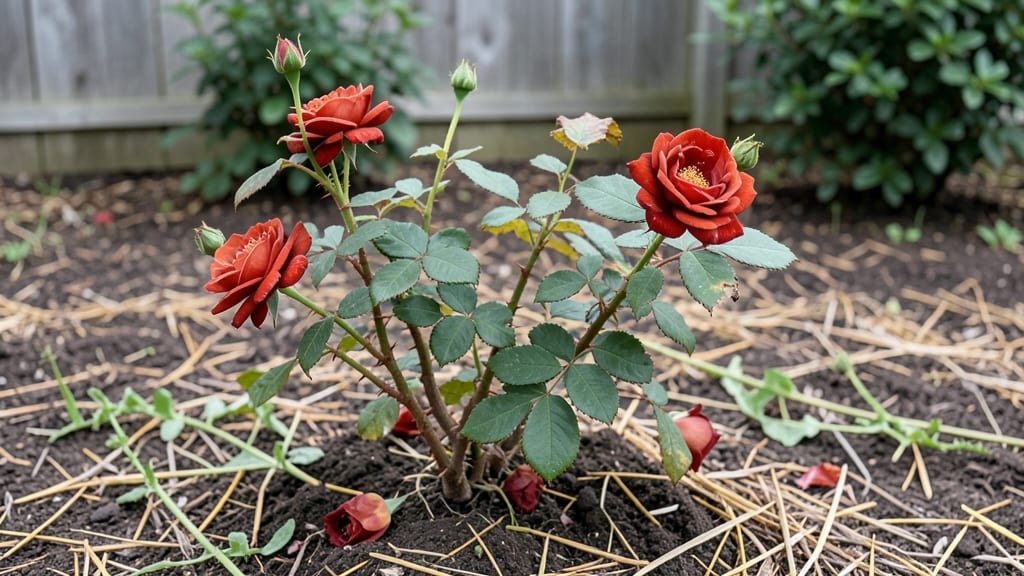
The Kew Gardens rose brings old-world romance to your garden with its velvety petals and intoxicating scent. 🌹 Born from the legendary Kew Gardens in London, this rose embodies the elegance of Victorian-era horticulture, where roses weren’t just plants—they were the stars of grand parterres and royal gardens.
Its deep, wine-colored blooms and lush, glossy foliage make it a showstopper in any border, whether you’re going for a classic cottage look or a refined, formal design.
What makes this rose special isn’t just its beauty—it’s the way it performs. Unlike fussy modern hybrids, the Kew Gardens rose thrives in partial shade, making it perfect for northern gardens or spots where sunlight is limited.
Pair it with lavender for a fragrant, purple-and-green theme, or let it stand alone as a dramatic focal point against a dark fence. The blooms arrive in early summer and keep coming until frost, giving you weeks of effortless color.
Imagine walking through your garden in June, the air heavy with the rose’s rich, spicy fragrance, while bees and butterflies flutter around the blooms. This isn’t just a rose—it’s a living piece of garden history, one that transforms a simple border into a scene straight out of a botanical masterpiece.
The key to making it work? Plant it where it can be admired up close, and let its natural grace do the rest.
Works equally well in formal knot gardens, wildflower meadows, or alongside climbing roses for a layered, romantic effect. Whether you’re restoring a historic-style garden or simply want a rose that feels timeless, this is the one to plant. Let’s bring a little Kew Gardens magic to your yard.
📚 In This Guide
- What you need
- Instructions
- Tips and common mistakes
- Wrapping up and next steps
What you need
- ● Kew Gardens Rose plants: 3–5 bare-root or container-grown roses (ensure they’re disease-resistant and labeled for fragrant varieties).
- ● Well-draining soil: A mix of topsoil, compost, and perlite (ratio: 60% topsoil, 30% compost, 10% perlite) to prevent root rot.
- ● Organic mulch: 2–3 inches of wood chips or shredded bark to retain moisture and suppress weeds.
- ● Slow-release fertilizer: A balanced 10-10-10 or rose-specific formula (apply at planting and again in early spring).
- ● Rose food: A high-phosphorus supplement (like 5-10-5) to encourage blooming.
- ● Trowel or spade (for digging holes).
- ● Garden gloves (to protect your hands from thorns!).
- ● Watering can or hose (with a gentle spray nozzle).
- ● Pruning shears (sterilized with rubbing alcohol).
- ○ Optional: Trellis or support stakes (if planting climbing varieties or for added structure).
- ● A sunny location with at least 6–8 hours of direct sunlight daily.
- ● Space: 3–4 feet of clearance around each plant for airflow (critical for disease prevention!).
- ● Access to a water source for consistent hydration (roses love deep watering!).
How to plant and maintain a Kew Gardens rose border
This fragrant, long-blooming display thrives with the right soil and care.
🌱 Step 1: Choose the Right Location and Prepare the Soil
Select a spot with full sun exposure (6+ hours daily) and shelter from strong winds. Kew Gardens roses love rich, well-draining soil with a slightly acidic pH (6.0-6.5). Before planting, loosen the soil to a depth of 12-15 inches to encourage deep root growth.
Mix in 2-3 inches of compost and a handful of bone meal for phosphorus—this boosts early root development and flowering. Avoid garden soil that’s heavy or compacted; roses hate soggy roots. Test your soil’s drainage by digging a hole, filling it with water, and checking if it drains within an hour. If not, amend with sand or perlite.
🪴 Step 2: Plant Roses at the Correct Depth and Spacing
Dig holes 18 inches wide and deep for each rose bush, spacing them 3-4 feet apart to allow airflow and prevent disease. Remove the rose from its container and loosen the roots gently if they’re circling. Place the bush in the hole so the graft union (a visible bump near the base) sits 2-3 inches above soil level—this prevents root rot.
Backfill with native soil mixed with compost, pressing lightly to remove air pockets. Water deeply to settle the soil and encourage root contact. Mulch around the base with 2-3 inches of organic mulch, keeping it 6 inches away from the stem to prevent moisture buildup. This retains soil moisture and regulates temperature.
☀️ Step 3: Water and Fertilize for Optimal Growth
Water roses 1-2 times per week, providing 1-1.5 gallons per plant each time. Aim for deep watering at the base—avoid wetting the foliage to reduce fungal risks. You’ll know moisture is right when the top 2 inches of soil feel damp but not soggy. Adjust frequency in summer heat or drought.
Fertilize every 4-6 weeks during the growing season with a balanced rose fertilizer (10-10-10 or similar). Apply it to the soil, not the leaves, and water immediately afterward. Stop fertilizing by late summer to allow roses to harden off for winter. Yellowing leaves often signal over-fertilization—cut back if you see this.
✂️ Step 4: Prune for Health and Season-Long Blooms
Prune in early spring (just as new growth begins) to shape the bush and encourage strong blooms. Remove dead, diseased, or crossing branches first. Then cut back last year’s growth by one-third, making cuts just above an outward-facing bud. This opens the center for airflow and sunlight.
Deadhead spent blooms regularly to redirect energy into new flowers. Use clean, sharp pruners to avoid tearing stems. In late fall, prune again to remove any remaining leaves or weak growth. Avoid heavy pruning in winter—roses need foliage to protect buds from cold.
🌿 Step 5: Protect and Maintain Through the Seasons
Watch for pests like aphids or black spot fungus. Spray affected leaves with neem oil or a fungicide if needed, and remove heavily infested foliage immediately. In winter, mound 4-6 inches of mulch around the base to insulate roots. Avoid heavy mulch in summer—it traps heat and moisture.
Kew Gardens roses reward patience with fragrant blooms from early summer to fall. Monitor soil moisture, adjust watering as needed, and prune lightly in late winter to prep for the next season. With consistent care, your border will thrive for years, filling your garden with intoxicating scent and vibrant color.
Tips & tricks for perfect Kew Gardens rose borders
Transforming your garden into a fragrant rose border takes more than just planting—it's about creating the ideal conditions for these delicate blooms to thrive year after year.
Soil Preparation Secret: The 12-15 inch soil loosening in Step 1 isn't just about depth—it's about creating an oxygen-rich environment for roots. Use a broad fork to break up compacted layers without disturbing the surrounding soil structure. For clay-heavy soils, mix in 1 part sand to 2 parts garden soil to improve drainage while maintaining moisture retention. This gives your roses the perfect balance they crave.
Planting Depth Technique: That 2-3 inch graft union placement above soil level in Step 2 is critical—it prevents rot while allowing roots to establish properly. If your graft union is buried, the rose will revert to rootstock and lose its hybrid vigor. Use a small stake to mark the correct depth before planting each bush.
Watering Wisdom: The 1-2 times per week guideline in Step 3 works for average conditions, but your watering needs will change with seasons. In summer, check soil moisture daily—if the top 2 inches feel dry, it's time to water. Use a soaker hose or drip irrigation to deliver water directly to the roots without wetting foliage, which helps prevent fungal diseases like black spot.
Pruning Pro Tip: When pruning in early spring (Step 4), make your cuts at a 45-degree angle just above an outward-facing bud. This creates a natural shield that protects the bud from rain while allowing sunlight to reach it. Sterilize your pruners between cuts with rubbing alcohol to prevent spreading disease from infected branches.
Pro Tips for Kew Gardens Rose
- Transforming your garden into a fragrant rose border takes more than just planting—it's about creating the ideal conditions for these delicate blooms to thrive year after year.
- Soil Preparation Secret: The 12-15 inch soil loosening in Step 1 isn't just about depth—it's about creating an oxygen-rich environment for roots.
- Planting Depth Technique: That 2-3 inch graft union placement above soil level in Step 2 is critical—it prevents rot while allowing roots to establish properly.
Frequently asked questions
Got questions about growing and caring for Kew Gardens Rose? Here are some of the most common ones—plus expert tips to keep your fragrant blooms thriving all season!
When is the best time to plant Kew Gardens Rose?
The ideal planting time is early spring (after the last frost) or early fall (4-6 weeks before the first frost). This gives roots time to establish before extreme temperatures. If planting in summer, keep the soil consistently moist to reduce transplant shock.
How often should I water Kew Gardens Rose?
Water deeply 1-2 times per week during the first growing season to encourage root growth. Once established, water weekly during dry spells—aim for 1-1.5 inches of water per week. Mulch around the base to retain moisture and protect roots. Yellowing leaves? Often a sign of overwatering!
Should I prune Kew Gardens Rose, and if so, when?
Prune once a year in late winter or early spring (before new growth starts). Remove dead, diseased, or crossing branches, then cut back remaining stems by 1/3 to encourage bushier growth. Avoid heavy pruning in fall—it can stimulate tender new growth that won’t survive winter.
What pests or diseases should I watch for with Kew Gardens Rose?
Common issues include:
- Aphids: Spray with water or use insecticidal soap.
- Black spot: Remove infected leaves and apply fungicide. Improve airflow by spacing plants 3-4 feet apart.
- Powdery mildew: Prune for better sunlight and use a sulfur-based fungicide if needed.
Prevent problems with regular inspections and proper spacing.
Can Kew Gardens Rose grow in containers?
Yes! Choose a large container (at least 15-20 gallons) with drainage holes. Use well-draining potting mix and repot every 2-3 years. Place in full sun and water more frequently than in-ground plants. Pro tip: Add a time-release fertilizer in spring for container-grown roses!
Wrapping up and next steps
The Kew Gardens Rose is a standout choice for gardeners seeking season-long beauty, fragrance, and resilience. With its disease-resistant nature, repeat blooms, and stunning petal layers, it’s perfect for adding elegance to borders, trellises, or even containers.
Whether you're a seasoned gardener or just starting, this rose delivers low-maintenance charm with high rewards.
Ready to transform your garden? Start by selecting your planting spot—sunny and sheltered is ideal—and follow the care tips shared. Soon, you’ll be enjoying a fragrant, blooming masterpiece that keeps giving all season! 🌸