
Landscaping
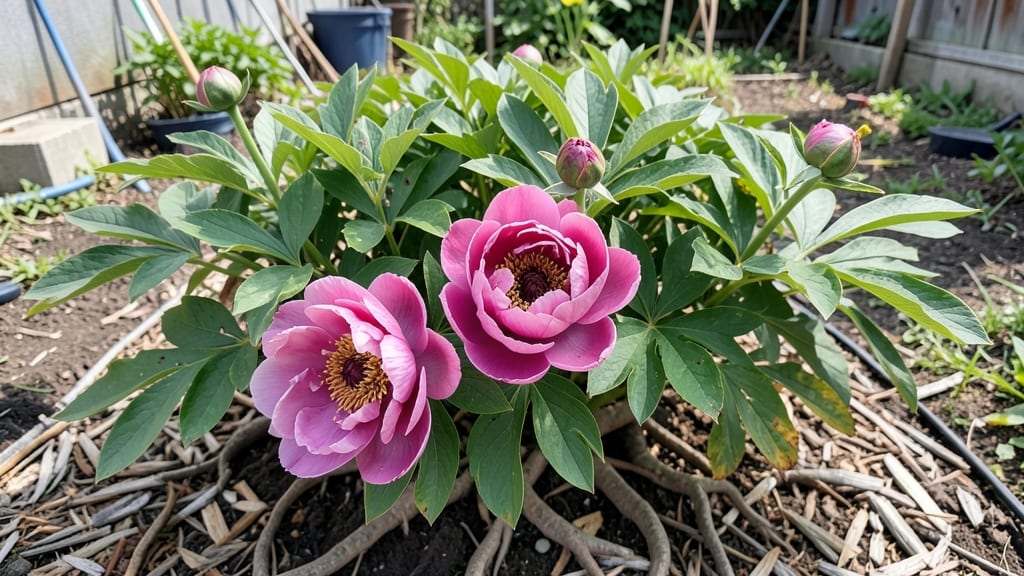
My landscaping peony garden transforms your yard into a fragrant, dreamy retreat where spring’s first blushes feel like a secret—designed to bloom from late April through June, with foliage that stays lush until frost. color and texture all season.
The key is layering peonies with perennials that love the same growing conditions, so everything thrives together.
Start with your peony colors as the backbone—soft pinks, deep reds, or creamy whites—and pair them with grasses like fountain grass for movement, or lavender for a cottage vibe. For formal borders, boxwoods or Russian sage keep things structured, while wildflower drifts add natural charm.
My favorite combo? Peonies in the center, surrounded by catmint and Russian sage—they repel pests and extend the blooming season.
You’ll end up with a garden that smells like spring rain and feels like a hug. The blooms attract butterflies all day, and the foliage provides shade for bulbs below.
Maintenance is simple: prune back dead stems in fall, mulch well, and water deeply once a week. That’s it—no fuss, just beauty that keeps giving.
Works for sun-drenched borders, woodland edges, or even container plantings on patios. Here’s how to make it yours, step by step.
📚 In This Guide
- What you need
- Instructions
- Tips and common mistakes
- Wrapping up and next steps
What you need
- ● Peony plants: 5–10 herbaceous or tree peony crowns (choose varieties like 'Sarah Bernhardt' or 'Bowl of Beauty' for vibrant blooms).
- ● High-quality garden soil: 1–2 cubic yards (amend with compost for better drainage).
- ● Organic mulch: 2–3 bags (straw or wood chips to retain moisture and suppress weeds).
- ● Slow-release fertilizer: 10–20 lbs (balanced 10-10-10 or peony-specific formula).
- ○ Peony supports (optional): 5–10 stakes or rings (for tree peonies to prevent flopping).
- ● Garden trowel (for planting).
- ● Shovel or spade (for digging).
- ● Pruning shears (sterilized for clean cuts).
- ● Wheelbarrow (for hauling soil/mulch).
- ● Garden gloves (to protect your hands).
- ● Measuring tape (for spacing plants 2–3 ft apart).
- ● Watering can or hose (with adjustable nozzle).
- ● Sunlight: A spot with full sun (6+ hours daily)—peonies thrive in warmth!
- ● Well-draining soil: Test pH (ideal: 6.0–7.0); amend if needed.
- ● Space: Minimum 3 ft between plants (or 5 ft for tree peonies).
- ● Patience: Peonies take 2–3 years to reach full bloom potential! 💡
Step-by-Step guide to designing a stunning peony garden
Here's how to create a low-maintenance peony garden that bursts with color every spring.
Choose the Perfect Location for Maximum Blooms
Peonies thrive in full sun, so select a spot that receives at least 6 hours of direct sunlight daily. I always look for areas with morning sun and afternoon shade in hotter climates—this prevents the buds from scorching before they open. Avoid low-lying spots where cold air settles, as peonies are sensitive to late spring frosts.
Test the soil by digging a 6-inch hole—if the soil is heavy clay, amend it with 3 inches of compost to improve drainage. Peonies hate soggy roots, so if your area floods, raise the planting bed by 2-3 inches or plant on a mound. The ideal soil pH is 6.5-7.0, but peonies are forgiving if you adjust the soil slightly over time.
Plant Peony Crowns at the Right Depth
Dig a hole 2 inches deeper than the peony crown (the knobby base where roots meet stems) and 3 times wider than the root ball. This gives roots plenty of room to spread without crowding. Place the crown 1-2 inches below soil level—burying it too deep will delay blooming, while planting too shallow exposes it to winter freeze-thaw cycles.
Spread the roots outward in the hole, making sure they’re not bent or crowded. Fill the hole halfway with soil, then water deeply to settle it. Once settled, add more soil until the crown sits at the correct depth. Water again to remove air pockets. I always plant peonies in early fall—this gives roots time to establish before winter, leading to stronger blooms the following spring.
Space Plants for Long-Term Growth and Airflow
Peonies need 3-4 feet of space between each plant to prevent overcrowding, which reduces airflow and increases disease risk. Since you’re creating a garden for 4 plants, arrange them in a loose square or diagonal pattern for balanced visual appeal. Avoid planting near large trees or shrubs that will compete for nutrients and shade the center.
After planting, add a 2-inch layer of mulch (like shredded bark) around each plant, keeping it 3 inches away from the crown to prevent rot. Mulch helps retain moisture and regulates soil temperature. Water deeply once a week during the first growing season to encourage root development. You’ll know you’ve done it right when new shoots emerge in early spring—thick, green, and vigorous.
Prune and Maintain for Season-Long Beauty
Wait until late spring or early summer—after the foliage has turned brown—to prune peonies. Cut back stems to 2 inches above the ground using clean, sharp pruners. This prevents disease and encourages stronger growth next year. Never prune in fall or winter, as the plant needs its foliage to store energy for the following season.
Fertilize lightly in early spring with a balanced 10-10-10 fertilizer—just sprinkle a handful around the base and water it in. Over-fertilizing leads to lush foliage but fewer blooms. Watch for peony wilt disease (a fungal issue causing sudden wilting)—if you see it, remove affected stems immediately and improve airflow by thinning nearby plants. With proper care, your peony garden will reward you with bold, fragrant blooms for decades.
Tips & tricks for perfect peony garden landscaping
Creating a stunning peony garden takes more than just planting—it's about setting up conditions for decades of vibrant blooms. Here are the key insights I've gathered from years of working with these classic perennials.
Location Intelligence: The 6 hours of daily sunlight mentioned in Step 1 is non-negotiable for healthy peonies, but here's what I've learned: In areas with intense afternoon sun, position your garden where plants get morning sunlight and afternoon shade. I've seen peony buds literally cook themselves in hot climates when planted in full afternoon sun. For cooler regions, you can extend planting to late fall—just make sure roots establish before winter. The 6-hour minimum is your baseline, but quality of light matters just as much.
Soil Preparation: That 6-inch hole test in Step 1 reveals more than just drainage—it shows how your soil will behave seasonally. If you find compacted soil, don't just add compost to the hole. Amend the surrounding area too, creating a 12-inch diameter circle with improved soil. I've seen peonies planted in amended holes but surrounded by heavy clay struggle with stunted growth. For clay-heavy areas, consider building a raised bed that's 2-3 inches higher than the surrounding ground level to prevent water pooling.
Planting Precision: The 1-2 inches below soil level for crowns in Step 2 is critical, but here's the detail most guides miss: The crown should sit at the same depth it was growing in its nursery pot. If you can't remember, look for the "eyes" (buds) on the crown—they should be just below soil level. I've seen gardeners bury crowns too deep and wait years for blooms, or plant too shallow and have them heave out of the ground in winter. A simple trick: Plant with the crown slightly higher than the surrounding soil, then water and let it settle naturally.
Long-Term Planning: When spacing your 4 plants 3-4 feet apart in Step 3, think beyond just the current season. Peonies grow slowly but steadily—after 5 years, they'll need even more space. I recommend planting with a 4-foot spacing from the start to give them room to mature without crowding. For garden designs, consider planting in clusters of 3-5 plants rather than single specimens. This creates a more natural, lush appearance and makes maintenance easier when pruning and fertilizing.
Pro Tips for Landscaping Peony Garden
- Creating a stunning peony garden takes more than just planting—it's about setting up conditions for decades of vibrant blooms.
- I've seen peony buds literally cook themselves in hot climates when planted in full afternoon sun.
- Soil Preparation: That 6-inch hole test in Step 1 reveals more than just drainage—it shows how your soil will behave seasonally.
Frequently asked questions
Got questions about creating your dream landscaping peony garden? You’re not alone! Here are some of the most common queries—plus straightforward answers to help you design with confidence.
When is the best time to plant peonies for a stunning garden?
The ideal time to plant peonies is in early fall (September–November) or early spring (March–April), before the soil warms up. This gives roots time to establish before summer heat. Avoid planting in extreme heat or freezing temperatures—peonies thrive with patience!
How much sunlight do peonies need, and what if my yard doesn’t get enough?
Peonies love full sun (6–8 hours daily), but they can tolerate partial shade (4–6 hours), especially in hot climates. If your space is shady, opt for tree peonies (Paeonia lactiflora) or intersperse them with taller plants to filter light. Just avoid deep shade—they’ll bloom less!
Are peonies low-maintenance, or do they need special care?
Peonies are drought-tolerant once established (after 2–3 years), but they appreciate regular watering (1 inch/week) during their first season. Deadhead spent blooms to encourage reblooming varieties, and divide clumps every 5–7 years to prevent overcrowding. That’s it—minimal fuss for maximal beauty!
Can I mix peonies with other plants, or do they need their own space?
Peonies pair well with perennials like lavender, catmint, or daylilies (they love similar growing conditions). For height contrast, tuck them behind grasses or shrubs like hydrangeas. Just avoid bulb-heavy beds—peonies dislike competition for nutrients.
Why aren’t my peonies blooming, even though they look healthy?
Common culprits include:
- Too much shade (aim for sun exposure).
- Over-fertilizing (peonies hate rich soil—use compost sparingly).
- Young plants (they may take 2–3 years to bloom).
- Dormant season cuts (never prune in fall/winter).
Try reducing fertilizer and ensuring 6+ hours of sun—your peonies will thank you with vibrant blooms!
Do peonies attract pests, and how do I protect them?
Peonies are pest-resistant, but leaf miners or aphids may occasionally visit. Spray with neem oil or introduce ladybugs for natural control. Deer and rabbits might nibble—use physical barriers (chicken wire) or repellents if needed.
Wrapping up and next steps
A landscaping peony garden is a rewarding way to bring timeless beauty and seasonal charm to your outdoor space. With their lush foliage, fragrant blooms, and low-maintenance nature, peonies are the perfect addition for any gardener looking to create a stunning, long-lasting landscape.
Whether you're a beginner or a seasoned pro, the key is patience, proper planning, and a little love—your garden will thank you with breathtaking results year after year!
Ready to get started? Sketch your design, gather your supplies, and take the first step toward a garden that feels like a dream. 🌸✨