Pests
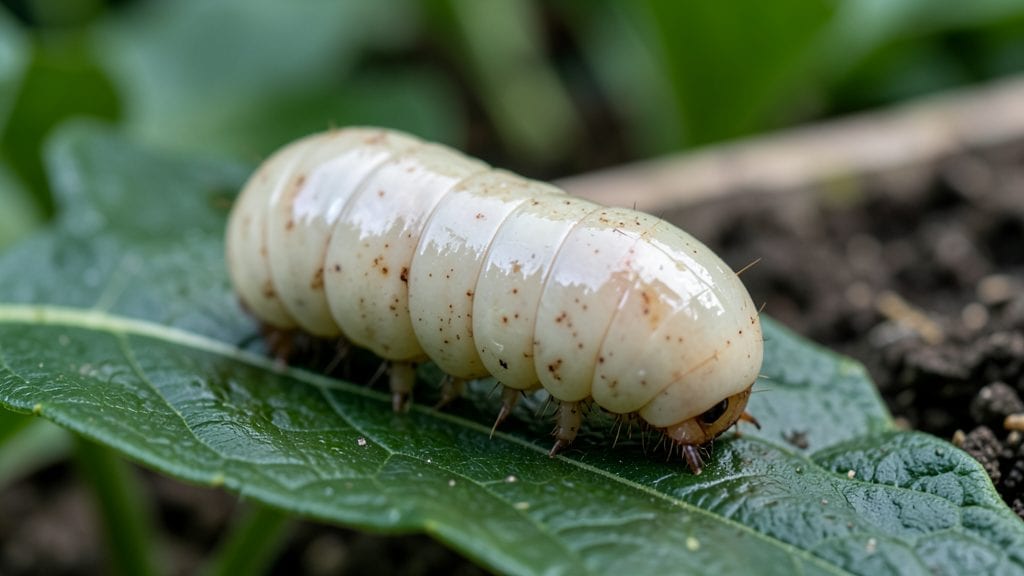
Large garden grubs are the sneaky culprits behind chewed roots and wilting plants—until I learned how to remove them without poisoning my soil. 🌱 The key is understanding their lifecycle: soft, C-shaped larvae that turn into beetles, then return to feast on your garden’s roots.
Most store-bought pesticides kill everything, including the beneficial worms that keep soil healthy.
Instead of chemicals, I’ve found three humane methods that work: handpicking in damp soil, using nematodes (microscopic predators), or encouraging birds and toads with shallow water dishes. The best time to act is late summer or early fall, when grubs are most active but haven’t yet pupated.
A simple soapy water spray in the evening can flush them to the surface without harming plants.
You’ll see results within 2-3 weeks—roots recover, grass stops thinning, and your soil stays alive for next season’s plants. The secret is patience: grubs take time to leave, but the payoff is a garden that thrives naturally.
No more guessing if your lawn’s damage is grubs or drought—just proof they’re gone.
Works for lawns, flower beds, and vegetable patches alike. Here’s how to spot them, remove them, and keep them from coming back—without sacrificing your soil’s health.
Root Causes Of Soil Invaders
Large garden grubs—often the larval stage of beetles like Japanese beetles, June bugs, or chafer beetles—don’t just appear out of nowhere. Their presence is usually a sign of underlying conditions in your soil, climate, or landscape management.
Understanding these triggers helps you address the problem at its source rather than just reacting to visible damage. Here’s why these pests take up residence in your garden.
Grubs thrive in soil that’s packed with nutrients, especially organic matter like compost, leaf litter, or decaying plant debris. While this seems counterintuitive (since healthy soil is usually a good thing), the excess organic material creates the perfect breeding ground. Here’s why:
- Microbe Boost: Decomposing matter attracts microbes, which grubs eat. The more microbes, the more food for larvae.
- Moisture Retention: Organic soil holds water longer, keeping grubs hydrated during dry spells.
- Warmth Traps: Decaying material generates heat, accelerating larval development.
Actionable Insight: If your soil is already nutrient-dense, avoid adding fresh compost or mulch in high-risk areas. Instead, opt for balanced, mineral-rich fertilizers that don’t overfeed the soil.
Grubs are cold-sensitive but love warmth and moisture. Their life cycles are tightly linked to temperature and rainfall patterns:
| Season | Why Grubs Multiply | Peak Risk Period |
|---|---|---|
| Spring (50–60°F) | Eggs hatch as soil warms; larvae seek moisture near the surface. | April–June |
| Summer (70–85°F) | Ideal feeding conditions; grubs burrow deeper to escape heat. | July–August |
| Fall (Cool but Damp) | Grubs pupate into beetles; moist soil extends their active season. | September–October |
💡 Pro Tip: In drought-prone areas, grubs may retreat deeper into the soil (up to 8 inches). If you’re seeing sudden turf damage in late summer, check lower soil layers—this is often a sign of overwatering followed by dry spells, which forces grubs to migrate upward.
Grubs are opportunistic feeders—they target stressed plants because weakened roots are easier to consume. Common stress factors include:
- Compacted Soil: Reduces oxygen, stunting roots and making them vulnerable. Grubs detect stressed roots via chemical cues.
- Disease or Fungal Infections: Plants with root rot or fungal issues (like Fusarium) release sugars that attract grubs.
- Improper Mowing Heights: Cutting grass too short exposes roots to sunlight and heat, signaling distress to grubs.
- Chemical Overuse: Excessive herbicides or pesticides can kill beneficial microbes, indirectly benefiting grubs by reducing competition.
Key Takeaway: Healthy turf is naturally resistant to grubs. Focus on core lawn care—aeration, proper watering (1–1.5 inches per week), and avoiding synthetic chemicals—to make your garden less appealing.
The grubs you’re battling today are the offspring of beetles that laid eggs in your yard last season. Here’s how adult beetles set the stage for infestations:
- Laying Eggs in Turf: Female beetles (like Japanese beetles) prefer short, sunny grass to deposit eggs. The more adults present, the more eggs hatch into grubs.
- Attraction to Light: Outdoor lights (especially white or yellow bulbs) lure adult beetles, increasing local populations.
- Wind & Water Spread: Beetles can fly miles, and eggs/water can hitchhike on tools, shoes, or even pets.
🎯 Prevention Strategy: Reduce adult beetle numbers by:
- Using beetle traps early in the season (but place them far from your garden—they attract more beetles).
- Encouraging natural predators like birds, toads, and parasitic wasps.
- Avoiding broad-spectrum insecticides that kill beneficial insects.
Effective Ways to Remove Garden Grubs
Large garden grubs may seem like a nuisance, but the good news is that there are humane and eco-friendly ways to tackle them without harming your soil or plants.
Below, we’ve mapped out practical solutions based on the root causes—whether it’s overwatering, poor drainage, or organic buildup—so you can choose the best approach for your garden.
If your garden soil is too wet or densely packed, grubs will thrive in the moist, airless conditions. Here’s how to correct it:
💧 Improve Drainage & Aeration
- Test your soil’s moisture by digging a 6-inch hole.
If water pools or drains slowly, your soil is too compacted. - Add organic matter like compost, coconut coir, or well-rotted manure to loosen the soil naturally. - Use a garden fork to gently aerate the top 6–8 inches of soil, breaking up hardpan without disturbing grubs too deeply. - Mulch with straw or wood chips (2–3 inches thick) to regulate moisture and prevent future overwatering.
🌡️ Adjust Watering Habits
- Water deeply but less frequently—aim for 1–1.5 inches per week (including rainfall) to encourage deeper root growth and reduce surface moisture.
- Water in the morning to allow soil to dry slightly during the day, discouraging grubs.
- Avoid overhead sprinklers that saturate the soil; opt for drip irrigation or soaker hoses instead.
Grubs love decaying plant matter, so cutting off their food source is key.
🔥 Clear Excess Mulch & Debris
- Remove thick layers of mulch (especially wood chips or leaves) from the soil surface—grubs hide in these layers.
- Rake up fallen leaves and grass clippings regularly to deny grubs shelter.
- Compost excess plant waste (but avoid piling it directly against garden beds).
🌿 Choose Grub-Resistant Mulches
- Straw or pine needles break down slower than wood chips and are less attractive to grubs.
- Gravel or landscape fabric (with proper spacing for airflow) can deter grubs while improving drainage.
Encourage beneficial insects and wildlife that prey on grubs naturally.
🦋 Introduce Grub-Eating Predators
- Ladybugs, ground beetles, and parasitic wasps (like Heterorhabditis bacteriophora) feast on grubs.
Buy them from garden centers or attract them with: - Diverse plantings (marigolds, dill, and yarrow draw predatory insects). - A shallow dish of water with a little honey to lure beneficial bugs. - Chickens or ducks will happily dig up grubs—let them free-range in your garden for a few hours.
🍎 DIY Beer or Fruit Traps (Temporary Solution)
- Beer trap: Bury a small container (like a plastic cup) filled with beer at soil level. Grubs are attracted to the yeast and drown.
- Overripe fruit trap: Place a slice of banana, apple, or citrus near grub hotspots.
They’ll gather around it—collect and dispose of them daily.
For stubborn infestations, use non-toxic, soil-safe treatments that disrupt grub life cycles.
🌿 Neem Oil or Kaolin Clay Spray
- Neem oil (1 tbsp per gallon of water + a drop of dish soap) disrupts grub feeding and reproduction.
Spray on soil and plant bases weekly. - Kaolin clay (like Surround WP) creates a protective film that confuses grubs and deters egg-laying.
🔥 Beneficial Nematodes (Microscopic Allies)
- Heterorhabditis bacteriophora nematodes are natural grub killers.
Mix them with water and apply to soil in the evening (they die in sunlight). - Best for severe infestations: Apply when soil temps are 55–85°F and water lightly afterward to help them move into the soil.
Once you’ve removed grubs, keep them from returning with these habits:
- 💡 Rotate crops annually to disrupt grub life cycles (they target specific plants like roses, grapes, and lawns). - 🌡️ Monitor soil moisture—grubs thrive in consistently damp soil.
Use a moisture meter if needed. - 🎯 Plant grub-resistant varieties like marigolds, basil, or catnip around vulnerable plants. - ✨ Solarize your soil in late summer: Cover bare soil with clear plastic sheeting for 4–6 weeks to bake out grubs (works best in hot climates).
By addressing moisture, mulch, and food sources, you can eliminate grubs without chemicals while keeping your soil healthy. Start with one or two methods, monitor progress, and adjust as needed—your garden will thank you! 🌿
Frequently asked questions
What do large garden grubs look like?
They’re creamy white to tan, C-shaped larvae about 1/2 to 1 inch long with brown heads. Check under sod or in moist soil—they’ll curl up when disturbed. Japanese beetle grubs are the most common type, but similar species include June bug and chafer beetle larvae.
How do I know if my lawn damage is from grubs?
Look for spongy, patchy turf that peels back easily (like a carpet) and reveals white grubs underneath. Other signs: brown patches that grow larger, especially after drought or heavy rain, or animals digging up your lawn searching for them.
Are grubs harmful to humans or pets?
No, they’re not dangerous to touch—just unpleasant. However, some pets (like dogs) may ingest them while digging, which can cause mild stomach upset. If you see grubs in your yard, remove them to prevent accidental consumption.
Can I use vinegar to kill grubs?
Vinegar won’t kill grubs directly, but a 1:1 vinegar-water spray can help flush them to the surface when applied in the evening. For best results, combine it with handpicking or nematode treatment—vinegar’s acidity disrupts their environment over time.
How long does it take for grub control methods to work?
Most natural methods (like nematodes or handpicking) show results in 2-4 weeks, while chemical options may work faster but harm soil. Patience is key—grubs take time to leave, but consistent effort prevents regrowth. Monitor your lawn weekly for improvement.