
Lawn
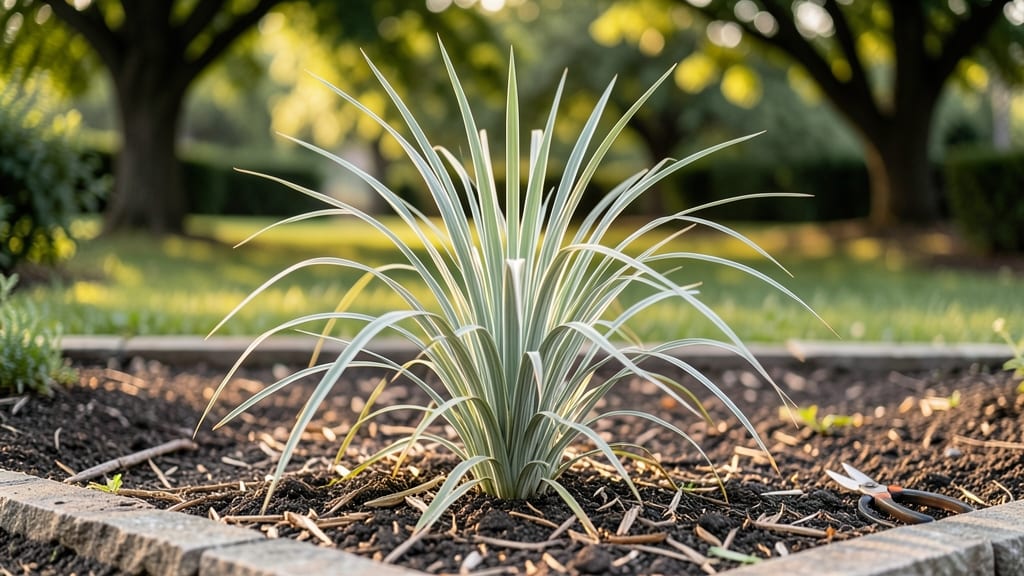
Growing lemon grass in the garden means fresh, fragrant stalks ready for Thai-inspired dishes year-round. 🌿 I learned the hard way that this tropical plant thrives in warm climates but can still grow in containers if you live in cooler zones—just bring it indoors before frost.
The key is mimicking its native conditions without overcomplicating things.
You’ll need well-draining soil, a sunny spot (6+ hours of light), and patience—lemon grass grows slowly but rewards you with thick, aromatic stalks. In-ground or containers both work, but containers give you flexibility to move the plant when temperatures drop.
Water consistently to keep the soil moist but not soggy, and watch for signs of stress like yellowing leaves.
Harvesting is the best part: snip stalks when they’re 12–18 inches tall, leaving at least 6 inches to regrow. The stalks release their signature citrusy scent when bruised, making them perfect for soups, curries, or even homemade cleaning products.
With proper care, one plant can provide enough for months of cooking.
Common mistakes? Overwatering or letting the soil dry out completely—both stress the plant. If pests like aphids appear, a strong spray of water usually does the trick. Once established, lemon grass is surprisingly low-maintenance and pays you back with bold flavor and fragrance.
📚 In This Guide
- What you need
- Instructions
- Tips and common mistakes
- Wrapping up and next steps
What you need
- ● Lemon grass plants: 3–5 healthy Cymbopogon citratus plants (potted or bare-root)
- ● OR 1–2 pounds of fresh lemon grass stalks (for propagation)
- ● Growing medium: Well-draining potting mix (5–10 gallons, depending on container size)
- ● OR Garden soil amended with compost (1–2 cubic feet per plant)
- ● Containers (if not planting in-ground): 1–2 large pots (12–18 inches deep, with drainage holes)
- ● OR Fabric grow bags (for better aeration)
- ● Tools: Trowel or hand shovel
- ● Pruning shears (for trimming)
- ● Watering can or hose with a gentle spray nozzle
- ○ Garden gloves (optional but recommended!)
- ● Fertilizer: Balanced, water-soluble fertilizer (e.g., 10-10-10, diluted to half-strength)
- ● OR Organic options like fish emulsion or compost tea
- ● Mulch (straw or pine needles) to retain moisture and suppress weeds
- ● Slow-release fertilizer pellets for convenience
- ● pH testing kit (ideal soil pH: 5.5–6.5)
- ● Shade cloth (if growing in hot climates to protect young plants)
- ● Label markers (to track varieties if experimenting!)
Step-by-step guide to growing lemon grass in your garden
Here's how to cultivate this aromatic staple with minimal fuss—perfect for Thai dishes.
🌱 Step 1: Select and Prepare Healthy Starts
Choose 4-inch-tall lemon grass stalks from a trusted nursery or grocery store (look for firm, plump stalks with no yellowing). The key is starting with disease-free, mature rhizomes—these grow faster and resist rot. I always peel away the lower leaves to expose the 3-inch rhizome base before planting, since buried leaves rot in damp soil.
Soak the rhizomes in lukewarm water for 2 hours to soften any dried outer layers. This step isn't optional—it jumpstarts root growth. After soaking, let them dry for 15 minutes before handling; damp rhizomes bruise easily and invite fungal issues.
🪴 Step 2: Plant in Well-Draining Soil
Fill a 12-inch-deep container or garden bed with loamy soil amended with 20% perlite (the perlite prevents waterlogging, which lemon grass hates). Dig a hole 2 inches deeper than the rhizome and space plants 12 inches apart—crowding leads to weak, spindly growth. Gently place each rhizome so the top third remains exposed above soil level.
Cover the roots with soil but leave the upper 1-2 inches of rhizome visible. This exposed section will sprout new shoots. Press the soil lightly around the base to eliminate air pockets, then water deeply until moisture reaches 6 inches down. You'll know it's right when water drains freely from the container's bottom holes.
☀️ Step 3: Provide Warmth and Shelter
Lemon grass thrives in full sun (6+ hours daily) but struggles in temperatures below 55°F. If your climate dips below that, grow it in containers you can move indoors during winter. I place mine near a south-facing window where it gets bright, indirect light—no direct sun indoors, or the leaves scorch.
Water every 3-4 days once established, but never let soil stay soggy. Stick your finger 2 inches deep—if it feels dry, water until moisture reaches 4 inches down. Overwatering causes the rhizomes to rot before they establish. You'll see new shoots emerge in 3-4 weeks—that's your signal everything's working.
✂️ Step 4: Harvest and Maintain for Continuous Growth
Harvest outer stalks when they reach 12-18 inches tall, cutting 2 inches above the rhizome. This encourages basal regrowth and keeps plants productive. I always harvest 3-4 stalks at a time, leaving at least 2-3 inner stalks to continue growing. Never take more than half the plant—you'll kill the rhizome.
Fertilize monthly with a balanced 10-10-10 mix during growing season (spring-fall). In winter, reduce to every 6 weeks and cut back on watering. Lemon grass goes semi-dormant in cold months—don't panic if growth slows. With proper care, one rhizome produces harvests for 3+ years.
🌿 Step 5: Overwinter and Propagate
Before first frost, dig up container-grown plants or mulch garden beds with 3 inches of straw. Lemon grass tolerates light freezes but won't survive prolonged cold. I bring mine indoors to a bright, cool spot (60-65°F) where it stays dormant until spring. In spring, divide clumps by cutting rhizomes into 3-inch sections with 2-3 shoots each—each piece becomes a new plant.
Real talk: Lemon grass multiplies aggressively. If you plant one rhizome, you'll soon have dozens of extras to share. The secret to long-term success is harvesting regularly and dividing every 2 years to prevent overcrowding. Your garden will smell like a Thai street market in no time.
Tips & tricks for perfect lemon grass cultivation
A few strategic moves will transform your lemon grass from a finicky experiment into a thriving, fragrant garden staple.
Soaking Secret: That 2-hour soak in lukewarm water isn't just about softening dried layers—it's a critical germination trigger. I've seen rhizomes that skipped this step take twice as long to sprout. Use a thermometer to confirm your water stays between 75-80°F; cooler water slows hydration, while hotter water can shock delicate roots. After soaking, the 15-minute drying period prevents fungal spores from latching onto damp surfaces—this is where many gardeners unknowingly invite rot.
Planting Precision: The 2-inch-deep hole and 12-inch spacing aren't arbitrary measurements—they create the perfect balance between root expansion and air circulation. I've learned the hard way that deeper planting buries the rhizome's growth nodes, while closer spacing leads to competition for nutrients. When covering roots, use your fingers to create tiny air pockets around the base; this mimics natural soil aeration and prevents waterlogging. The exposed 1-2 inches of rhizome should look like a tiny island above the soil—this is where your new shoots will emerge.
Temperature Tolerance: Lemon grass has a narrow comfort zone between 55°F and 85°F—below 55°F, growth stalls completely. I've used a simple thermometer tucked into the soil to monitor this range. In cooler climates, consider using black plastic mulch around containers to absorb heat. The 60-65°F indoor overwintering spot should be bright but never sunny—direct light causes leaf scorch. A north-facing windowsill works perfectly if you don't have south-facing options.
Harvesting Strategy: The 12-18 inch height guideline ensures stalks have developed strong root systems while still being tender enough for cooking. I always harvest in the morning when essential oils are most concentrated. When cutting, make your snip at a 45-degree angle just above a leaf node—this creates a larger surface area for new growth. The rule of harvesting 3-4 stalks at a time while leaving 2-3 inner stalks might seem counterintuitive, but it's what prevents your plant from becoming overworked and stressed.
Pro Tips for Lemon Grass In The Garden
- A few strategic moves will transform your lemon grass from a finicky experiment into a thriving, fragrant garden staple.
- Soaking Secret: That 2-hour soak in lukewarm water isn't just about softening dried layers—it's a critical germination trigger.
- Planting Precision: The 2-inch-deep hole and 12-inch spacing aren't arbitrary measurements—they create the perfect balance between root expansion and air circulation.
Frequently asked questions
Got questions about growing lemon grass in your garden? You’re not alone! Here are some of the most common queries—and their answers—to help you cultivate this fragrant, kitchen-friendly plant with confidence.
How do I know when my lemon grass is ready to harvest?
Lemon grass is ready to harvest when the stalks are about 12–18 inches tall and the lower leaves have turned brown and dried out. The tender, pale green part of the stalk (about 6–8 inches long) is the part you’ll use. Snip it off with clean scissors or prune shears, leaving the base intact to encourage regrowth. Pro tip: Harvest in the morning for the strongest flavor!
Can lemon grass survive winter in cold climates?
Lemon grass is a tropical plant, so it won’t tolerate frost. In colder zones (below USDA Zone 9), grow it in containers and bring them indoors before temperatures drop below 30°F (-1°C). Alternatively, dig up the rhizomes in fall, store them in a cool, dry place, and replant in spring. Bonus: Mulching heavily can extend its life outdoors for a few weeks in mild winters.
What if my lemon grass turns yellow or looks sad?
Yellowing leaves or weak growth usually mean overwatering, poor drainage, or nutrient deficiency. Lemon grass prefers well-draining soil and thrives in bright, indirect light. If the soil stays soggy, repot in a container with fresh, sandy soil. Feed it with a balanced fertilizer every 4–6 weeks during growing season. Watch out: Brown tips often signal underwatering or fluoride sensitivity (use filtered water if tap water is heavily treated).
Can I grow lemon grass from store-bought stalks?
Yes! Save the root end of your store-bought lemon grass (about 2–3 inches) and let it dry for a day. Plant it in moist soil, keeping it warm and humid (like a greenhouse or sunny windowsill). Roots should sprout in 2–4 weeks. Pro move: Use a small pot with drainage holes to prevent rot. If the stalk is too small, try propagating from rhizomes instead for better success.
How long does fresh lemon grass last, and can I freeze it?
Fresh lemon grass stays crisp in the fridge for 1–2 weeks if wrapped in a damp paper towel and sealed in a bag. For long-term storage, freeze the stalks whole (peeled or unpeeled) for up to 6 months. Simply thaw and use as needed—perfect for Thai curries, soups, or infused oils! Hot tip: Freeze in 1-inch chunks for easy measuring in recipes.
Wrapping up and next steps
Growing lemon grass in your garden isn’t just a rewarding hobby—it’s a fragrant, flavor-packed adventure that brings Thai-inspired dishes to life! 🌿 From its easy propagation to pest-resistant charm, this versatile plant thrives with minimal effort while offering endless culinary potential.
Whether you’re a seasoned gardener or a curious beginner, now’s the perfect time to plant, nurture, and harvest your own homegrown stalks.
Ready to take the next step? Start small—plant a few clumps in a sunny spot this weekend—and watch your garden (and kitchen) transform!