
Landscaping
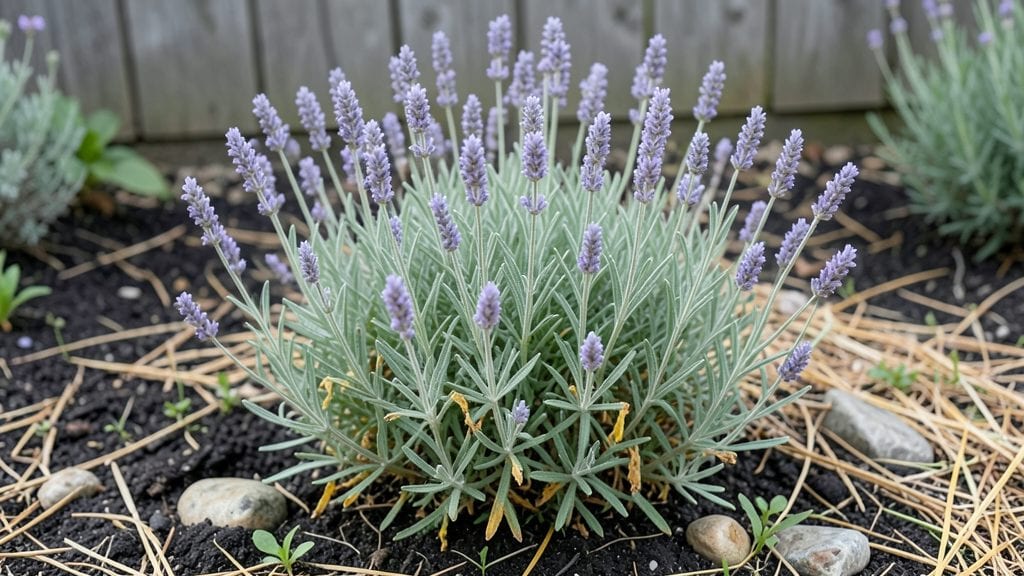
My Mediterranean garden design starts with sun-drenched terraces where lavender hums with bees and olive trees sway in the breeze. This style isn't just pretty—it's built to thrive where summers are hot and winters are mild, with plants that ask for little but give back generously.
The key lies in the mix of rugged stone, fragrant herbs, and vines that climb effortlessly toward the sky, creating a space that feels both wild and intentional.
You'll want to focus on three core elements: drought-tolerant plants like rosemary and thyme that thrive on neglect, stone pathways that guide visitors through sunlit layers, and climbing vines like jasmine or bougainvillea to soften walls and pergolas.
The color palette—think terracotta pots, crisp whites, and deep blues—doesn’t just look stunning; it also reflects the natural hues of the region while keeping maintenance simple. Even in cooler climates, you can adapt by choosing cold-hardy varieties like manzanita or dwarf citrus.
What you end up with is a garden that feels like a retreat, where every corner offers shade, scent, or a view of the sky. The terraces create intimate spaces for dining or relaxing, while the vines provide year-round interest, even when other plants sleep.
This isn’t just landscaping—it’s crafting a lifestyle where nature and design work together seamlessly. Let’s break down how to make it happen in your space.
Whether you’re in California, the South of France, or a suburban backyard, the principles stay the same: prioritize sun, use stone to anchor the design, and let plants do the heavy lifting.
The beauty of Mediterranean style is that it’s forgiving—once you get the basics right, the garden almost designs itself. Here’s where to begin.
📚 In This Guide
- What you need
- Instructions
- Tips and common mistakes
- Wrapping up and next steps
What you need
- ● Soil & Mulch: Well-draining Mediterranean soil mix (50% native soil, 30% coarse sand, 20% compost) – 10-20 cubic yards (depending on garden size).
- ● Gravel or pebbles (1-2" diameter) for pathways and borders – 50-100 lbs.
- ● Organic mulch (cypress, pine, or straw) – 2-3 bags.
- ● Hardscaping: Flagstone or slate tiles (2-3" thick) for patios – 20-50 sq. ft. (customize based on terrace size).
- ● Terracotta pots (varied sizes: 6", 12", 18") – 10-20 pots.
- ● Wrought-iron or wooden trellises (6-8 ft tall) – 2-4 units.
- ● Clay or stone planters – 5-10 units.
- ● Plants: Drought-tolerant shrubs (rosemary, lavender, olive trees) – 5-10 plants.
- ● Climbing vines (bougainvillea, jasmine, wisteria) – 3-5 plants.
- ● Herbs (thyme, oregano, basil) – 10-15 plants.
- ● Annuals (geraniums, petunias, snapdragons) – 20-30 plants.
- ● Required: Shovel & spade
- ● Garden trowel
- ● Wheelbarrow (for hauling soil/gravel)
- ● Pruners (bypass & hedge)
- ● Level & measuring tape
- ● Wheelbarrow or dolly (for heavy materials)
- ● Safety gear (gloves, knee pads, dust mask)
- ○ Optional (but helpful): String line & stakes (for layout)
- ● Soil pH tester
- ● Hose with adjustable nozzle
- ● Electric hedge trimmer (for shaping)
- ● Portable saw (for cutting trellises)
- ● Location: Full sun exposure (6+ hours/day) for most Mediterranean plants.
- ● Drainage: Ensure slopes or raised beds if your yard retains water.
- ● Permits: Check local regulations for hardscaping (e.g., patios, trellises).
- ● Budget: Mid-range ($1,500–$5,000) for a small-to-medium garden (DIY-friendly!).
- ● Timing: Plant in early spring or fall to avoid extreme heat.
Instructions for crafting a Mediterranean-inspired garden space
Here’s how to create a sun-drenched, fragrant retreat that feels like a European countryside escape.
Define Your Sunlit Terraces and Layout
Start by mapping out your space with at least 6 hours of direct sunlight daily—this is non-negotiable for Mediterranean plants. Sketch a rough layout, dividing your area into distinct terraces or levels if your yard has slopes. I like to use stepping stones or low stone walls to create natural transitions between levels, which also adds that classic Mediterranean charm. Place taller plants like lavender or rosemary along the back of each terrace to frame the space and provide structure.
Measure the available area and mark out zones for seating, pathways, and planting beds. Leave 3-4 feet of walking space between terraces to ensure easy access and airflow. If your space is small, opt for vertical elements like trellises or arbors to maximize growing room without sacrificing style.
Select Drought-Tolerant Plants and Climbing Vines
Choose plants that thrive in hot, dry conditions and complement the Mediterranean aesthetic. Start with fragrant herbs like rosemary, thyme, and oregano—these are hardy, low-maintenance, and add incredible scent to the air. For climbing vines, jasmine, clematis, and bougainvillea are perfect; they’ll cascade beautifully over trellises, arbors, or pergolas while adding bursts of color.
Group plants with similar water needs together to simplify care. For example, place drought-resistant succulents like sedum or sempervivum near the edges of terraces, where they’ll catch sunlight and require minimal watering. Avoid overcrowding—leave 12-18 inches of space between mature plants to allow for airflow and prevent disease.
Incorporate Stone, Wood, and Water Features
Mediterranean gardens rely on natural materials to create texture and warmth. Use local stone or gravel for pathways and borders—these materials stay cool in the sun and blend seamlessly with the landscape. For seating, opt for wooden benches or stone walls with built-in benches; these add functionality while keeping the rustic vibe. Add a small water feature, like a shallow fountain or a simple stone basin, to introduce the soothing sound of water—a staple in Mediterranean design.
For vertical interest, install a wooden trellis or metal arbor painted in earthy tones. Train climbing vines to grow along these structures, creating a lush, romantic backdrop for your terraces. If you’re working with limited space, use wall-mounted planters to grow herbs or trailing plants like sweet potato vine, which add greenery without taking up ground space.
Add Finishing Touches for Ambiance
Lighting is key to extending the usability of your Mediterranean garden into the evening. Install solar-powered path lights or string fairy lights along trellises for a warm, inviting glow. Choose fixtures with soft, warm tones to enhance the cozy atmosphere. Add outdoor cushions or throws in neutral colors like terracotta, beige, or sage green to create a comfortable seating area where you can relax and enjoy the fragrance of your plants.
Finally, incorporate subtle decorative elements like terracotta pots, wrought-iron lanterns, or woven baskets to tie the space together. These details elevate the garden from functional to truly inviting. Step back and assess the balance of colors, textures, and heights—your goal is to create a harmonious, layered look that feels both intentional and effortless.
Maintain for Long-Term Beauty and Health
Water deeply but infrequently—once or twice a week—to encourage strong root systems in drought-tolerant plants. Early morning is the best time to water, as it reduces evaporation and prevents fungal issues. Mulch with gravel or wood chips to retain moisture and suppress weeds, while also keeping the garden looking tidy. Prune climbing vines regularly to control their growth and encourage bushier, more abundant blooms.
Monitor for pests like aphids or spider mites, which can thrive in hot, dry conditions. A strong spray of water or a homemade soap solution usually does the trick. With minimal upkeep, your Mediterranean garden will flourish, offering a fragrant, sunlit sanctuary year after year.
Tips & tricks for perfect Mediterranean garden design
Transforming your outdoor space into a fragrant Mediterranean retreat takes thoughtful planning—and these tips will help you avoid common pitfalls while creating a space that feels authentically inviting.
Sunlight is Non-Negotiable: The instructions emphasize at least 6 hours of direct sunlight daily, and this is absolutely critical. If your space gets less, consider adding a sunroom or creating a microclimate with reflective surfaces like light-colored walls or water features to maximize sunlight exposure. I’ve seen Mediterranean plants thrive in partial shade, but they’ll never reach their full potential without these sunlit hours. Trust me, this is where the magic happens!
Plant Placement Matters: When arranging your terraces in Step 1, place taller plants like lavender or rosemary at the back to create a natural backdrop. This not only frames your space beautifully but also prevents smaller plants from being shaded out. For climbing vines mentioned in Step 2, position trellises near the edges of terraces so they cascade down, adding vertical interest without blocking pathways. I learned this the hard way—overcrowding in the middle led to poor airflow and more pests.
Material Selection for Authenticity: Mediterranean gardens rely on natural, earthy materials that blend seamlessly with the landscape. For pathways in Step 3, opt for local stone or gravel—these materials stay cool in the sun and require minimal maintenance. If you’re using wood for benches or trellises, choose untreated cedar or cypress, which naturally resist rot and insects. These small details make all the difference in achieving that timeless Mediterranean look.
Water Features Add More Than Beauty: The instructions mention adding a shallow fountain or stone basin, and I can’t stress enough how much these features enhance the ambiance. Beyond their aesthetic appeal, the sound of water creates a calming atmosphere that’s perfect for relaxation. If you’re working with a small space, even a simple wall-mounted water spout can make a big impact. Just be sure to place it where the sound will carry naturally to your seating area.
Pro Tips for Mediterranean Garden Design
- Transforming your outdoor space into a fragrant Mediterranean retreat takes thoughtful planning—and these tips will help you avoid common pitfalls while creating a space that feels authentically inviting.
- Sunlight is Non-Negotiable: The instructions emphasize at least 6 hours of direct sunlight daily, and this is absolutely critical.
- Plant Placement Matters: When arranging your terraces in Step 1, place taller plants like lavender or rosemary at the back to create a natural backdrop.
Frequently asked questions
Got questions about creating your dream Mediterranean garden design? Here are some of the most common ones—and their answers!
What plants are essential for a Mediterranean garden?
A Mediterranean garden thrives with drought-tolerant plants like lavender, rosemary, olive trees, bougainvillea, and cypress. Succulents (like aloe and sedum) and fragrant herbs (thyme, oregano) are also key. Opt for native species to reduce maintenance and water needs.
When is the best time to plant a Mediterranean garden?
Plant in early spring or fall when temperatures are mild. Avoid summer heatwaves, which can stress young plants. If starting from seeds, sow in late winter for spring blooms. Established plants can handle transplanting in cooler months.
How do I minimize water usage in a Mediterranean garden?
Use drip irrigation or soaker hoses to deliver water directly to roots. Mulch with gravel or wood chips to retain moisture. Group plants with similar water needs, and choose native or drought-resistant varieties. Water deeply but infrequently—early morning is best!
Can I create a Mediterranean garden in a small space?
Use vertical gardening with trellises for climbing vines (like jasmine or clematis) or tiered planters. Opt for compact shrubs (e.g., dwarf olive trees) and herbs in pots. Even a balcony or patio can host a fragrant, sunlit Mediterranean oasis with the right design.
What pests should I watch for in a Mediterranean garden?
Common pests include aphids, spider mites, and snails. Encourage natural predators like ladybugs and birds. Use neem oil or insecticidal soap for mild infestations. Prune regularly to improve airflow, reducing fungal issues. Slug barriers (like crushed eggshells) help deter mollusks.
How can I add color without high maintenance?
Incorporate low-maintenance annuals like marigolds, snapdragons, or petunias for pops of color. Use evergreen shrubs (e.g., myrtle or boxwood) as structural accents. Painted pots or mosaic tiles add vibrancy with zero upkeep—just swap out flowers seasonally!
Wrapping up and next steps
Creating a Mediterranean garden design is all about embracing warmth, texture, and timeless beauty—whether you’re crafting a sunlit terrace or inviting fragrant vines to climb. From selecting drought-resistant plants to layering rustic materials and strategic lighting, every element comes together to evoke the charm of the Mediterranean. 🌿✨
Now that you’re inspired, why not sketch your dream layout or visit a local nursery to pick out your first plants? Start small, stay patient, and let your garden grow into a serene escape—one sun-drenched day at a time!