
Landscaping
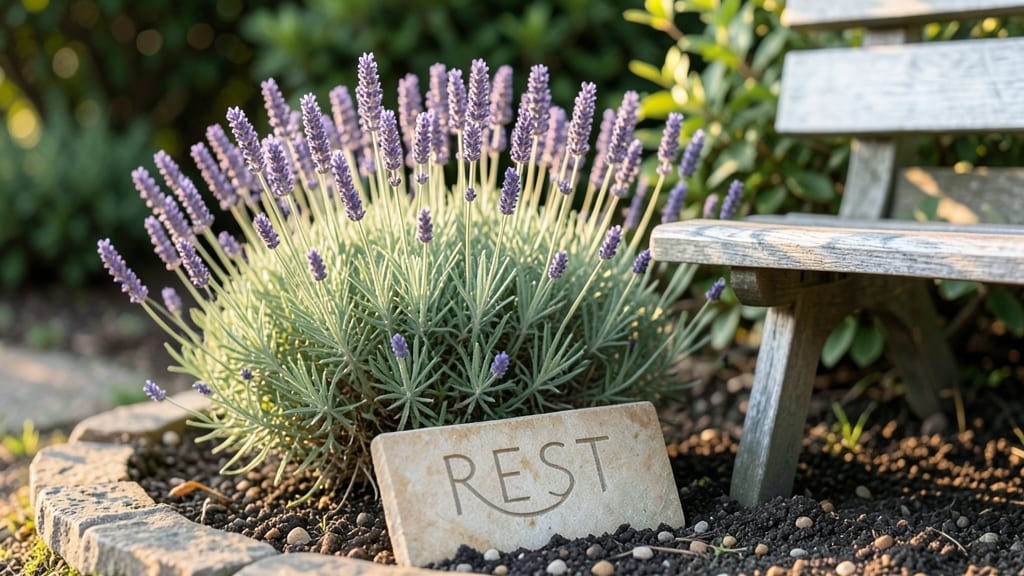
A memorial garden design becomes a living tribute when every plant tells a story. ✨ I learned this after designing one for my grandmother, where lavender and peonies now mark the years she touched our lives.
The right plants create quiet moments—fragrant herbs for remembrance, evergreens for enduring love, and seasonal blooms that mirror her favorite times of year.
Start with a focal point—a bench, a stone, or a plaque—and build around it. Low-maintenance perennials like coneflowers and hostas thrive with minimal care, while drought-tolerant grasses add movement without fuss.
The layout should invite lingering: winding paths, shaded seating, and small water features for peaceful reflection. Even small spaces can hold meaning with vertical gardens or layered plantings.
What you’ll end up with is a garden that feels personal yet timeless—where each bloom or rustling leaf carries quiet significance. The scent of jasmine at dusk, the golden hue of autumn leaves, or the first snowdrops in spring all become part of the story.
This isn’t just landscaping; it’s creating a place where memories grow as vibrantly as the plants.
Works for urban patios or sprawling backyards, sunny slopes or shaded corners. The key is balancing beauty with practicality so the garden honors your loved one without demanding constant upkeep. Let’s make it meaningful, not just pretty.
📚 In This Guide
- What you need
- Instructions
- Tips and common mistakes
- Wrapping up and next steps
What you need
- ● Soil & Mulch: High-quality topsoil (1–2 yards, depending on garden size)
- ● Organic mulch (cedar or pine, 2–3 bags for a 10’x10’ area)
- ● Plants: Perennials (e.g., lavender, roses, or hostas—3–5 plants)
- ● Shrubs (e.g., boxwood or hydrangeas—1–2 per corner)
- ● Ornamental grasses (e.g., fountain grass—2–3 clumps)
- ● Evergreens (e.g., junipers or pines—1–2 for year-round greenery)
- ● Hardscaping: Gravel or decomposed granite (1–2 tons for pathways)
- ● Stepping stones (3–6, depending on layout)
- ● Benches or planters (1–2, weather-resistant materials)
- ● Memorial Elements: Engraved stones or plaques (1–2, customizable)
- ○ Wind chimes or solar lights (optional but evocative)
- ● Shovel & spade (for digging)
- ● Wheelbarrow (1, for hauling materials)
- ● Pruners & gloves (for plant care)
- ● Level & measuring tape (for precision)
- ● String & stakes (to mark layouts)
- ● Hose or watering can (for post-planting hydration)
- ○ Optional: Landscape fabric (to suppress weeds), edging tools, or a lawnmower (if grass borders are included).
- ● Sunlight analysis: Note shade vs. sun exposure for plant selection.
- ○ Site prep: Clear debris, level ground, and test soil pH (optional but helpful).
- ● Permits: Check local regulations if adding structures (e.g., benches or fences).
- ● Budget: Allocate funds for materials, plants, and potential professional help.
Instructions for crafting a memorial garden with purposeful plant choices
Here's how to design a space that honors memories while creating natural beauty.
🌿 Step 1: Define the Garden's Theme and Layout
Begin by sketching your space on paper, noting any existing structures like benches or statues. I like to include a focal point—a tree, bench, or sculpture—that represents the person being honored. For a serene atmosphere, arrange plants in concentric circles or winding paths that invite quiet reflection. Measure your space carefully to ensure pathways are at least 3 feet wide for comfortable walking.
Consider the garden's purpose—will it be a place for meditation, family gatherings, or seasonal remembrance? A sunken seating area with evergreens provides year-round shade, while an open lawn invites summer picnics. Place taller plants like ornamental grasses or small trees near the back to frame the space and create depth.
🪴 Step 2: Select Plants With Symbolic Meaning
Choose plants that reflect the person's life, values, or favorite colors. For example, lavender symbolizes devotion, roses represent love, and sunflowers embody joy. I always include at least one evergreen like boxwood or juniper to provide structure and year-round presence. Group plants in odd-numbered clusters—threes or fives—for a natural, balanced look.
Consider the garden's maintenance level. If you prefer low upkeep, opt for perennials like coneflowers or black-eyed Susans, which return yearly. For seasonal interest, add spring bulbs like daffodils or tulips and fall foliage plants like maple or Japanese maple. Place a small plaque or engraved stone near a favorite plant to mark its significance.
☀️ Step 3: Plan for Year-Round Interest and Light Conditions
Assess your garden's sunlight exposure—most memorial gardens thrive in full sun to partial shade. Place sun-loving plants like roses or daylilies in the brightest spots, while shade-tolerant varieties like hostas or ferns can thrive under trees. I always include a mix of textures—smooth leaves, feathery grasses, and bold foliage—to create visual interest across seasons.
Design for all four seasons: Plant spring bloomers like peonies, summer perennials like coneflowers, fall foliage like Japanese maple, and winter interest plants like ornamental grasses or evergreens. Add a small water feature, like a bubbling stone fountain, to attract birds and provide soothing sounds year-round.
✂️ Step 4: Incorporate Personal Touches and Maintenance Plan
Add meaningful elements like a memory table with engraved tiles, a wind chime that reminds you of a loved one, or a small bridge to symbolize transition. I like to include a guestbook area where visitors can leave notes or plant seeds to honor the memory. Place a small sign near the entrance explaining the garden's purpose and the person it celebrates.
Create a simple maintenance schedule to keep the garden thriving. Prune perennials in early spring or fall, divide overcrowded plants every 3-4 years, and mulch annually to retain moisture and suppress weeds. Set aside 10-15 minutes weekly for light tasks like deadheading spent blooms or checking water levels in containers.
💧 Step 5: Final Touches and Dedication
Once planting is complete, add mulch around plants to protect roots and reduce weeds. Choose a soft, natural mulch like shredded bark or pine straw to blend seamlessly with the landscape. Water deeply after planting to help roots establish, then maintain a consistent watering schedule—1 inch per week during the growing season.
Host a small dedication ceremony to officially open your memorial garden. Invite family and friends to participate in planting a special flower or tree together. Take photos of the finished space and display them in a nearby frame or digital album. This garden will evolve over time, just like the memories it honors—so enjoy the process of nurturing it.
Tips & tricks for perfect memorial garden design
A few thoughtful strategies that'll bring your memorial garden to life with intention and beauty.
Symbolic Plant Pairings: In Step 2, when selecting plants, consider pairing them with specific memories. For example, lavender near a seating area can evoke memories of relaxation, while sunflowers near a pathway might remind visitors of summer days spent together. I like to create small "memory clusters" of three plants that represent different aspects of the person's life—like a rose for love, a sunflower for joy, and a boxwood for enduring presence.
Maintenance Made Meaningful: The 10-15 minutes weekly maintenance mentioned in Step 4 can become a ritual itself. Set a timer and make it a quiet moment of reflection—perhaps while tending to the garden, you'll find yourself reminiscing. Group similar tasks together, like deadheading spent blooms while checking water levels, to make the process more efficient and mindful.
Seasonal Layering: When planning for year-round interest in Step 3, think about creating "layers" of seasonal beauty. For example, plant spring bulbs like daffodils near your focal point so they bloom first, followed by summer perennials like coneflowers, and then fall foliage like Japanese maple. This creates a natural progression that mirrors the changing seasons and the passage of time.
Personal Touch Integration: In Step 4, when adding personal elements like memory tables or wind chimes, consider placing them where they'll be most meaningful. A wind chime might be perfect near a favorite seating area, while a memory table could be placed where visitors naturally gather. I always include at least one interactive element, like a guestbook area, to encourage visitors to engage with the space and leave their own memories.
Pro Tips for Memorial Garden Design
- A few thoughtful strategies that'll bring your memorial garden to life with intention and beauty.
- Symbolic Plant Pairings: In Step 2, when selecting plants, consider pairing them with specific memories.
- Maintenance Made Meaningful: The 10-15 minutes weekly maintenance mentioned in Step 4 can become a ritual itself.
Frequently asked questions
Got questions about creating a memorial garden that honors loved ones while reflecting your style? Here are some of the most common inquiries—and their thoughtful answers—to help you get started.
What’s the best time of year to plant a memorial garden?
The ideal time depends on your climate! In mild zones (USDA 7-10), plant perennials in fall or early spring for root establishment. In colder regions (USDA 3-6), wait until after the last frost (typically late spring). Evergreens and shrubs can often be planted in early fall for winter protection.
How do I choose plants that symbolize my loved one’s personality?
Start by reflecting on their passions or traits. For example:
- Strength & Resilience: Oak trees, lavender, or sunflowers
- Peace & Serenity: White roses, lilies, or jasmine
- Joy & Playfulness: Bright daisies, tulips, or whimsical topiaries
- Nature Lovers: Native wildflowers, ferns, or a mini "forest" with hostas
Consider their favorite colors too—plants like purple coneflowers or red salvia can add vibrant meaning.
Do I need a professional landscaper, or can I DIY?
Many memorial gardens thrive with DIY efforts, especially for small or symbolic designs! If you’re confident with basic gardening (soil prep, planting, mulching), you can handle it solo. For larger projects (like retaining walls, water features, or heavy stonework), hiring a pro ensures durability and safety. Tip: Start small—focus on a focal point (e.g., a bench or engraved stone) to build confidence.
How can I make my memorial garden low-maintenance?
Opt for native plants (they’re drought-resistant and pest-free!) and mulch generously to retain moisture. Choose perennials over annuals to reduce replanting. Add ground covers (like creeping thyme or sedum) to minimize weeds. For extra ease, install drip irrigation or a simple timer for watering. Pro tip: Group plants with similar water needs together!
What if I don’t have a green thumb? Are there easy-care alternatives?
Consider:
- Drought-tolerant plants: Succulents, ornamental grasses, or yucca
- Self-sustaining features: A wishing tree (where visitors hang notes), a stone labyrinth, or a wind chime for sound
- Artificial elements: Weatherproof sculptures, engraved stones, or painted stepping stones with their name
Even a single tree or bush planted with a plaque can create a powerful memorial with minimal upkeep.
Wrapping up and next steps
Designing a memorial garden is a deeply personal way to honor loved ones while creating a serene, meaningful space. By blending timeless elegance with thoughtful plant pairings, you craft a sanctuary that tells their story—whether through fragrant lavender, vibrant roses, or symbolic evergreens. 🌿
Ready to bring your vision to life? Start by sketching your layout, selecting plants with sentimental value, and consulting local experts to ensure your garden thrives. Every shovel of soil is a step toward honoring memory with beauty.