
Diseases
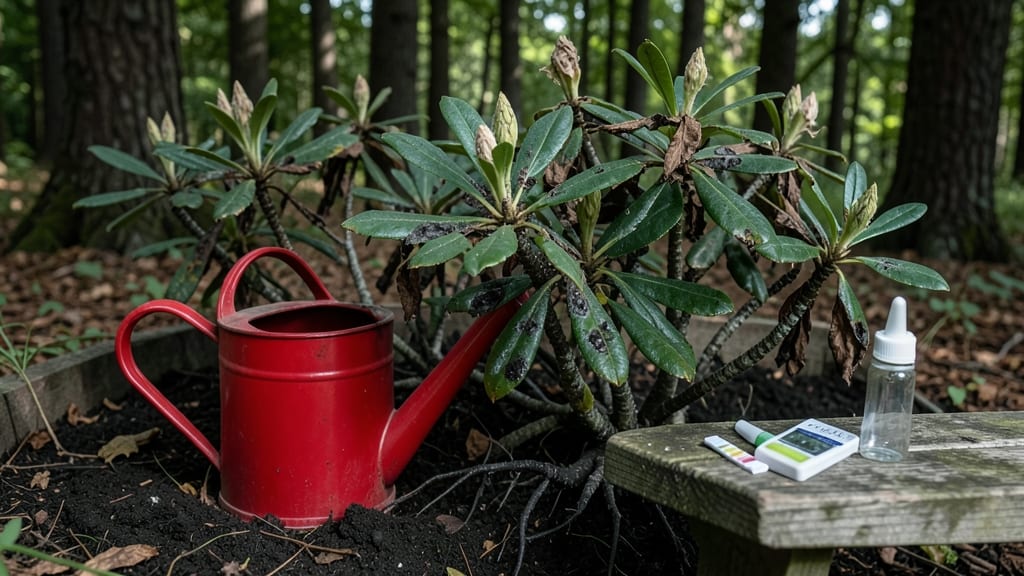
Mold in your garden isn't just unsightly—it can smother your plants and spread like a silent thief. 🌱 I've battled black fuzzy patches on mulch and that telltale musty smell creeping into my raised beds, and I learned the hard way that ignoring it only makes things worse.
The good news? Most garden mold responds to simple fixes before you need harsh chemicals.
Overwatering, thick mulch layers, and stagnant air create the perfect mold party. That green slime on your soil or black spots on leaves? It's thriving where your plants are struggling. The key is cutting off its water supply, improving airflow, and breaking up dense organic matter—no fancy tools required.
My go-to first step is raking back mulch and letting the sun do its work for a few days.
Once you've tackled the visible mold, prevention becomes your new best friend. I now use coarse mulch instead of fine wood chips, space my plants wider for airflow, and water in the morning so soil dries faster.
The results? My garden stays lush without the moldy takeover. You'll notice the difference within a week if you act quickly.
For stubborn cases, a mix of 3% hydrogen peroxide and water sprayed directly on affected areas works like a natural fungicide. Just don't overdo it—this is about balance, not chemical warfare.
The goal is healthy soil that supports your plants, not feeds the mold. Let's get your garden back to thriving.
The Hidden Triggers Behind Fungal Growth
Mold in your garden isn’t just an eyesore—it’s a sign that your outdoor space is playing host to ideal conditions for fungal growth. Understanding these triggers is the first step to reclaiming a healthy, thriving garden.
Let’s break down the key factors that turn your soil, mulch, and plants into a mold buffet.
Mold spores thrive in damp environments, and gardens are prime real estate for them when water lingers. Here’s why moisture is the #1 culprit:
- Overwatering: When soil stays soggy for more than 24–48 hours, aerobic microbes (the good guys) suffocate, while anaerobic fungi (like Rhizoctonia and Phytophthora) take over. Think of it like a swamp—perfect for mold, terrible for plants.
- Compacted Soil: Heavy clay or tightly packed dirt blocks water drainage, trapping moisture near the surface. A simple soil permeability test (dig a small hole, fill it with water, and time how long it drains) can reveal if your garden is a mold magnet.
- Irrigation Issues: Sprinklers that wet foliage (especially at night) create a film of water on leaves, giving mold spores a direct highway to spread. Drip irrigation or soaker hoses deliver water to roots without oversaturating the air.
Actionable Fix: Amend soil with perlite or compost to improve drainage, and water deeply but infrequently—aim for 1–1.5 inches per week, including rainfall.
Mold loves warmth and humidity, and gardens often create the perfect microclimate for it—especially in shaded or enclosed areas. Here’s how temperature and humidity team up to fuel mold:
- Shade & Low Airflow: Direct sunlight naturally dries surfaces, but shaded spots (like under trees or dense shrubs) stay damp longer. Mold spores germinate fastest between 68–86°F (20–30°C) with humidity above 60%.
- Mulch Overload: Thick mulch layers (over 3 inches) can smother soil, trapping moisture and heat. While mulch is great for moisture retention, too much turns it into a mold incubator.
- Nighttime Dew: Condensation on leaves or soil creates a temporary high-humidity zone, giving mold a head start in the morning.
Actionable Fix:
- Thin mulch to 2–3 inches and keep it 2 inches away from plant stems to improve airflow.
- Prune overgrown plants to increase sunlight penetration and reduce humidity pockets.
- Use oscillating fans in greenhouses or shaded areas to circulate air.
Mold isn’t picky—it’ll feast on anything organic, from fallen leaves to decomposed plant matter. Here’s how garden waste becomes a mold buffet:
- Leaf Litter & Grass Clippings: A thick layer of organic matter (especially wet leaves) creates the perfect food source for mold. These materials break down slowly, staying damp and fertile for fungi.
- Over-Fertilized Soil: Excess nitrogen and phosphorus in fertilizers (like manure or synthetic blends) can boost mold growth by feeding fungal networks. Think of it as fast food for mold.
- Decaying Wood & Bark: Chips or mulch made from untreated wood (like cedar or pine) contain lignin, a compound mold loves to digest.
Actionable Fix:
- Rake up wet leaves and clippings promptly—compost them only if turned frequently to prevent mold.
- Switch to slow-release fertilizers (like compost or balanced NPK blends) to avoid nutrient spikes.
- Choose cypress or hardwood mulch, which resist decay longer than softwood.
Healthy plants compete with mold for resources, but stressed or injured plants become easy targets. Here’s how plant health ties to mold outbreaks:
- Physical Damage: Cuts from pruning, insect bites, or hail create entry points for mold spores. Botrytis (gray mold) often invades through open wounds.
- Nutrient Deficiencies: Plants lacking calcium, potassium, or boron have thinner cell walls, making them more susceptible to fungal invasion.
- Root Rot: Overwatered or poorly drained soil leads to root rot, which weakens the plant’s immune system and invites mold to move upward.
Actionable Fix:
- Prune only during dry, sunny periods to minimize wound exposure.
- Test soil pH (ideal: 6.0–7.0) and amend with lime (to raise pH) or sulfur (to lower it) as needed.
- Apply beneficial fungi like Trichoderma to outcompete harmful mold strains.
Pro Tip: 🔍 Spot-check your garden after rain—if mold appears within 24–48 hours, you’ve got a moisture or airflow issue to address. The faster you act, the less mold stands a chance!
Quick Fixes for Fungal Foes
If your garden is battling mold in garden—whether it’s fuzzy black spots on leaves, slimy soil, or musty-smelling mulch—don’t panic. The right approach depends on the root cause, but most solutions are simple, natural, and effective.
Below, we’ve mapped the most common culprits to their fixes, plus proactive steps to keep mold from staging a comeback.
Too much moisture is mold’s favorite party invitation. If your soil feels soggy or mulch smells damp, act fast to cut off its water supply.
🔥 Step 1: Improve Drainage
- Test your soil: Dig a small hole (6 inches deep). If water pools after 30 minutes, drainage is poor.
- Amend with compost: Mix in coarse sand or perlite (1 part to 3 parts soil) to loosen compacted earth.
- Raise beds: For heavy clay soil, consider elevated planters or mound soil into ridges.
👨🍳 Step 2: Adjust Watering Habits
- Water deeply but less often: Aim for 1–1.5 inches per week (check with a rain gauge).
- Water at the base: Avoid overhead sprinkling, which wets leaves and encourages mold.
- Use drip irrigation: Delivers water directly to roots, reducing surface moisture.
🌡️ Step 3: Dry Out Mulch & Soil
- Remove excess mulch: Pull back thick layers (keep it 2–3 inches deep).
- Fluff and aerate: Use a fork to loosen compacted soil and improve airflow.
- Bake in the sun: On a dry day, spread mulch or soil in thin layers to dry under sunlight.
Black or gray mold on foliage (like powdery mildew or alternaria) thrives on damp leaves. Remove the problem and prevent reinfection.
🔪 Step 1: Prune Infected Plants
- Cut out moldy leaves: Snip affected foliage ½ inch below the spot with sterilized scissors (wipe with rubbing alcohol).
- Dispose properly: Bag and compost moldy plant debris separately (not in your garden!).
🥘 Step 2: Apply Natural Fungicides
Mix one of these in a spray bottle and apply to both sides of leaves at dusk (to avoid sunburn):
- Baking soda spray: 1 tbsp baking soda + 1 tsp dish soap + 1 gallon water.
- Neem oil: 1 tbsp neem oil + ½ tsp soap + 1 quart water (shake well).
- Hydrogen peroxide: 1 part 3% H₂O₂ + 3 parts water (spray and reapply every 3–4 days).
⏰ Step 3: Prevent Recurrence
- Space plants properly: Ensure 3–6 inches of airflow between leaves (thin crowded plants).
- Water early: Apply water before 10 AM so leaves dry by evening.
- Sanitize tools: Wipe pruners with vinegar or bleach solution (1:10 ratio) between uses.
A stale, earthy odor signals hidden mold in soil, wood chips, or decaying organic matter. Refresh the area with these deep-cleaning tactics.
💡 Step 1: Remove Contaminated Material
- Pull out moldy mulch: Replace with fresh, dry cedar chips or straw (cedar naturally repels mold).
- Check wood structures: Sand or replace rotting fence posts, trellises, or decking.
🌡️ Step 2: Sanitize the Soil
- Solarize: Cover the bed with clear plastic for 4–6 weeks in hot sun to kill mold spores.
- Add diatomaceous earth: Sprinkle food-grade DE lightly over soil (reapply after rain).
- Boost beneficial microbes: Mix in compost tea or mycorrhizal fungi to outcompete mold.
✨ Step 3: Long-Term Odor Control
- Use gravel or bark dust: These drain faster than wood chips and resist mold.
- Plant mold-resistant ground covers: Try clover, creeping thyme, or moss (in shady areas).
- Aerate regularly: Use a garden fork to poke holes in soil every few months.
An ounce of prevention saves a pound of panic. Here’s how to stop mold before it starts:
💡 Pro Tip: Mold loves stagnant water—so does your garden’s health! Always pair prevention with proper airflow and sunlight.
- Choose the right plants: Opt for mold-resistant varieties like basil, rosemary, marigolds, or lavender.
- Rotate crops: Avoid planting the same family (e.g., tomatoes, peppers) in the same spot yearly to break mold cycles.
- Test your soil pH: Aim for 6.0–7.0 (mold thrives in acidic soil; amend with lime if needed).
- Keep tools clean: Rinse and dry pruners, trowels, and gloves after use to prevent spore spread.
- Mulch smartly: Use pine straw, straw, or cocoa bean hulls (they resist mold better than wood chips).
Frequently asked questions
What does garden mold look like, and how can I tell it apart from regular dirt?
Garden mold typically appears as fuzzy black, green, or white patches on soil, mulch, or plant surfaces. Unlike regular dirt, it often has a slimy texture and may produce a musty odor. Check for spore growth (like cottony fuzz) or discoloration on leaves—these are key signs it’s mold, not just organic matter.
Is mold in my garden harmful to my plants or me?
While most garden mold isn’t toxic to humans, it can stress or kill plants by blocking sunlight and nutrients. Some molds (like stachybotrys) produce mycotoxins, but these are rare in outdoor soil. For safety, wear a mask when removing moldy mulch or compost, and avoid inhaling spores.
Can I use vinegar to kill mold in my garden?
Yes! Mix 1 part white vinegar with 3 parts water in a spray bottle and apply directly to moldy areas. Vinegar’s acidity disrupts fungal cell walls. Reapply every 3–4 days until the mold disappears. Avoid using it on plants sensitive to acidity, like azaleas or blueberries.
How long does it take to eliminate mold from garden soil?
With proper treatment (like improving drainage, removing infected mulch, and applying natural fungicides), you’ll see noticeable improvement in 1–2 weeks. Stubborn cases may take 3–4 weeks to fully resolve. Consistency is key—mold returns quickly if conditions (like excess moisture) aren’t addressed.
Will composting help or worsen my garden mold problem?
Composting can worsen mold if the pile is too wet or lacks oxygen. Turn your compost regularly and keep it moist but not soggy (like a damp sponge). If mold appears, add dry leaves or straw to balance moisture. Never compost moldy plant debris—it spreads spores back to your garden.