
Landscaping
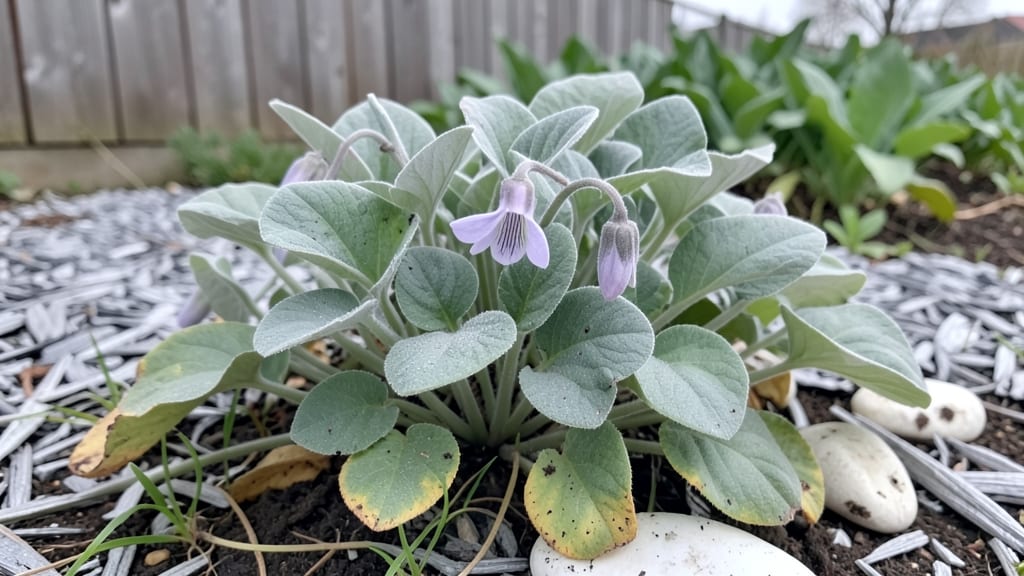
Moon garden designs turn your yard into a luminous sanctuary where night comes alive with soft whites and shimmering silvers—just like my first dusk stroll through mine, when the dusty miller’s silvery foliage glowed. against the dark, and the moonflower’s pale blooms unfurled like secrets shared only under moonlight.
The trick isn’t just picking white flowers; it’s layering textures and scents that feel magical after sundown.
Start with night-blooming stars like evening primrose and white petunias, then add silvery foliage plants such as lamb’s ear or artemisia to catch the moonlight. A small solar-powered path light or two can highlight key plants without overpowering the natural glow.
My design uses a mix of tall grasses for drama and low-growing ground covers to soften edges—it’s all about creating depth that feels like stepping into another world.
By summer’s end, your garden will feel like a quiet retreat where fireflies dance and the air hums with the scent of night-blooming jasmine. The key is patience: let plants establish roots before expecting that full moonlit effect.
Once they do, you’ll have a space that feels alive even after the sun sets—something most backyards never achieve.
Works in any climate, from coastal gardens to desert landscapes, as long as you choose plants suited to your zone. The real magic? It’s free after the initial setup, and the ambiance lasts all season long. Ready to make your nights as enchanting as your days?
📚 In This Guide
- What you need
- Instructions
- Tips and common mistakes
- Wrapping up and next steps
What you need
- ● Soil: Well-draining, nutrient-rich garden soil (or a mix of topsoil, compost, and perlite for optimal aeration). Quantity: Enough to fill planting beds (depth: 6–12 inches).
- ● Plants: Moonflower vine (Ipomoea alba) – 2–3 plants for climbing structures.
- ● White gardenia (Gardenia jasminoides) – 1–2 mature shrubs for fragrance.
- ● Silver sage (Salvia argentea) – 3–5 plants for foliage texture.
- ● Moon dust plant (Hylotelephium ‘Moon Dust’) – 5–7 plants for ground cover.
- ● White heather (Calluna vulgaris ‘Alba’) – 3–4 plants for low borders.
- ● Mulch: Light-colored gravel, white pebbles, or silver bark mulch (1–2 inches deep) to enhance contrast and retain moisture.
- ● Lighting: Solar-powered path lights (5–10, spaced 3–5 feet apart).
- ● String lights or LED uplights (1–2 sets) for ambient glow.
- ● Garden trowel and spade (for digging and transplanting).
- ● Pruning shears (for shaping plants).
- ● Gloves (gardening or heavy-duty).
- ● Wheelbarrow or bucket (for mixing soil/hauling materials).
- ● Watering can or hose with adjustable nozzle.
- ○ Optional: Soil pH tester (to ensure acidity for plants like gardenias).
- ● Choose a partially shaded to fully shaded area (moon gardens thrive in low light!).
- ● Plan your layout: Include vertical elements (trellises, arbors) for climbing plants and low borders for ground covers.
- ● Check local climate: Select plants suited to your USDA hardiness zone (e.g., moonflower loves zones 10–11).
- ● Pro tip: 💡 Test your soil’s drainage—moon gardens hate soggy roots! Amend clay soil with sand or compost.
How to design a moon garden that glows at night
Here’s how to create a dreamy, low-maintenance moon garden that transforms your yard into a starry sanctuary after dark.
Choose a Moonlight-Friendly Location
Pick a spot that receives at least 4-6 hours of sunlight daily, preferably in a partially shaded area where moonlight can reflect naturally. Avoid windy locations—delicate foliage like lamb’s ear or dusty miller will flutter in breezes, losing their sculptural shape. I like to place mine near a fence or wall that can bounce light back into the garden, amplifying the luminous effect.
Test the area at dusk for 3 consecutive evenings to observe how shadows shift. The ideal location should stay illuminated even after sunset, creating a soft transition between day and night. If your yard is mostly sunny, consider a north-facing corner where plants won’t scorch in afternoon heat but still catch evening light.
Select Plants That Reflect Moonlight
Focus on silvery, white, and pale green foliage that glows under moonlight. My go-to plants include lamb’s ear for its fuzzy, cloud-like texture, dusty miller for its velvety silver plumes, and white heuchera for its luminous leaves. Add night-blooming flowers like evening primrose or moonflower vine for a magical pop of color after dark.
Avoid dark-leaved plants—they’ll absorb light instead of reflecting it. Group plants in odd-numbered clusters (3, 5, or 7) to create natural focal points. For height variation, pair tall silver grass with low-growing white ajuga and mid-height angel’s trumpet to layer the effect. I always include at least one fragrant plant, like white jasmine, to enhance the sensory experience.
Layer Textures for Depth and Movement
Combine fine, medium, and coarse textures to mimic the celestial patterns of the moon’s surface. Use delicate ferns or hostas for softness, spiky yucca for contrast, and round-leaved heuchera for structure. Add smooth river rocks or polished pebbles in light colors to reflect moonlight like a lunar landscape.
Incorporate water features—even a small tabletop fountain or a shallow dish with a solar-powered light—will create shimmering reflections. If you’re working with containers, mix white ceramic pots with silver-metallic planters to echo the moon’s phases. Arrange everything so the tallest plants face the house, allowing moonlight to cascade down naturally.
Light It Up with Strategic Illumination
Install solar-powered uplights or LED spotlights to highlight key plants. Place lights 12-18 inches behind focal points like dusty miller or white hydrangeas to cast a soft glow upward. Avoid harsh overhead lighting—it washes out the natural silver tones. For a whimsical touch, string fairy lights along a trellis or archway where moonflowers can twine.
Test your lighting at night to ensure it enhances, not overpowers, the moon’s natural glow. Too much artificial light can make the garden feel artificial. I like to dim the lights slightly so they act as accents rather than the main show. If your garden is near a streetlamp, use sheer fabric or bamboo screens to diffuse harsh light and preserve the moonlit ambiance.
Maintain for Long-Lasting Luminosity
Water deeply once a week in dry climates, focusing on the root zone to avoid wetting foliage—damp leaves can dull the silver tones. Mulch with white gravel or crushed limestone to reflect light upward and suppress weeds, keeping the garden looking pristine. Prune spent blooms from night-bloomers like evening primrose immediately after they fade to encourage continuous flowering.
Fertilize lightly in early spring with a balanced, slow-release formula to support steady growth without promoting lush, dark foliage that absorbs light. I avoid heavy-handed pruning—let the plants develop their natural shapes, as their silhouettes are part of the moon garden’s charm. With minimal upkeep, your garden will glow brighter each season, like a celestial oasis.
Tips & tricks for perfect moon garden designs
A few clever strategies will help you create a moon garden that truly sparkles under the night sky.
Location Testing: In Step 1, when testing your location for 3 consecutive evenings, I recommend marking the area with stakes or flags so you can easily compare how shadows shift each night. This helps you visualize how moonlight will interact with the space at different angles. Trust me, this small effort saves hours of trial and error later.
Plant Placement Strategy: For Step 2, arrange your silver and white plants in a way that creates a natural "light path" from the house outward. Place taller plants like dusty miller and silver grass toward the back, with lower-growing varieties like white ajuga in the front. This creates depth and allows moonlight to cascade through the garden like a waterfall.
Texture Layering Secret: When combining textures in Step 3, think about the moon's surface—it has both smooth plains and rugged craters. Pair the smooth leaves of hostas with the spiky yucca to mimic this celestial contrast. This creates visual interest that's especially striking when illuminated at night.
Lighting Placement: For Step 4, I've found that placing uplights slightly higher than the recommended 12-18 inches creates a more dramatic upward glow. Aim the lights at a 45-degree angle toward your focal plants to highlight their textures. This technique makes the garden appear to glow from within rather than being lit from below.
Pro Tips for Moon Garden Designs
- A few clever strategies will help you create a moon garden that truly sparkles under the night sky.
- Location Testing: In Step 1, when testing your location for 3 consecutive evenings, I recommend marking the area with stakes or flags so you can easily compare how shadows shift each night.
- Plant Placement Strategy: For Step 2, arrange your silver and white plants in a way that creates a natural "light path" from the house outward.
Frequently asked questions
What’s the best time of year to plant a moon garden?
A moon garden thrives year-round, but timing depends on your climate. Plant perennials (like Daphne or Moonflower) in early spring or fall for strong root establishment. Annuals (e.g., Angel’s Trumpet) can go in late spring after frost. Bulbs like Moonlight Lily love fall planting—just mimic their natural dormancy!
Do I need special lighting for a moon garden?
Not necessarily! While moonlight-mimicking LED lights (cool white or blue) enhance the effect, many plants reflect natural moonlight beautifully. For extra glow, try solar-powered path lights or string lights with warm tones to avoid overpowering the natural ambiance. Pro tip: Place lights near reflective surfaces (like pebbles or water features) for a magical bounce!
What are low-maintenance alternatives to traditional moon garden plants?
If you crave ease, swap high-maintenance picks for these resilient stars:
- White Sedum (Stonecrop) – Drought-tolerant and thrives in shade.
- Silver Artemisia (Wormwood) – Fragrant, pest-resistant, and loves heat.
- White Heuchera (Coral Bells) – Stays lush with minimal water.
- Moonlight Coleus – Adds color with almost no upkeep.
Bonus: Ground covers like White Dutch Clover suppress weeds while adding texture!
Why aren’t my moon garden plants glowing at night?
Dim results? Check these fixes:
- Light levels: Ensure plants are in partial to full shade—too much sun can bleach foliage.
- Reflectivity: Add light-colored mulch (like white gravel) or metallic accents to bounce light.
- Plant health: Wilting or yellowing leaves mean underwatering or over-fertilizing.
- Pollution/light pollution: Artificial lights nearby can wash out the effect—try blackout curtains or light shields.
Give it time! Some plants (like Moonflower) take 2–3 weeks to fully bloom and reflect light.
Can I mix moon garden plants with other themes (e.g., cottage or modern)?strong>
Moon gardens blend seamlessly with other styles:
- Cottage: Pair whites/silvers with lavender or roses for romance.
- Modern: Use geometric planters and sculptural grasses (like Pampas Grass) for contrast.
- Mediterranean: Add olive trees or lavender for a dreamy twist.
Key rule: Stick to a 60/40 ratio—60% moon-themed plants, 40% complementary colors/textures to avoid visual clutter.
Wrapping up and next steps
A moon garden isn’t just a space—it’s a dreamy escape where silvers, whites, and soft glows transform your backyard into a nocturnal wonderland. 🌙 From choosing the right plants to lighting tricks and cozy seating, every detail matters in crafting that magical ambiance.
Whether you’re a seasoned gardener or a curious beginner, the key is to play with textures, reflect moonlight, and let your creativity shine.
Ready to step into your own enchanted retreat? Start small—pick one corner of your garden or balcony, gather a few key materials, and let the moonlight inspire your first plant or lighting choice. The night sky is waiting! ✨