
Tools
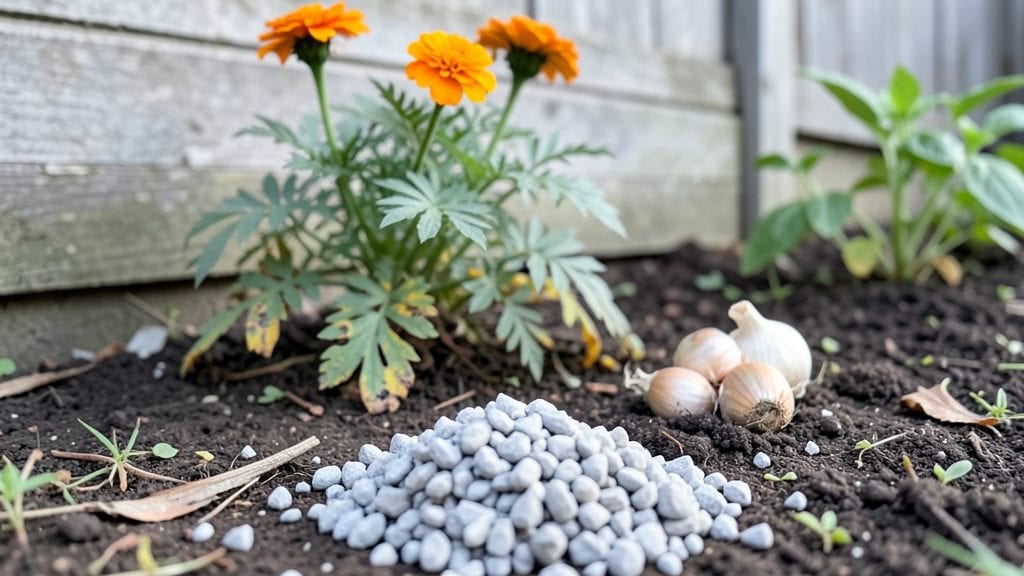
Natural garden repellents work by using plant-based ingredients, essential oils, and companion planting to deter pests without chemicals. My go-to options include garlic-chili spray, neem oil mixtures, and marigold pairings for lasting protection.
These solutions leverage nature's own defenses—like the pungent compounds in garlic that confuse insects or the strong scent of citrus oils that repel flies. 🌿 The beauty of companion planting is how it creates an ecosystem where beneficial plants mask vulnerable crops, while some even release chemicals that pests avoid.
For example, planting basil near tomatoes can reduce aphid infestations by up to 50% through scent interference.
What makes these methods particularly appealing is their safety for pets, children, and pollinators while maintaining effectiveness. Unlike synthetic pesticides, natural repellents don't harm beneficial insects like bees or ladybugs that keep your garden thriving.
💡 In This Article
- How Essential Oils and Plant Extracts Repel Garden Pests
- Best Companion Plantings to Naturally Protect Your Garden
How essential oils and plant extracts repel garden pests
Essential oils work as natural repellents because they contain volatile organic compounds that pests can't tolerate. Take neem oil, for example—its active ingredient, azadirachtin, disrupts insects' hormonal systems, preventing them from feeding or reproducing.
When applied to leaves, these oils create a protective barrier that pests detect through their antennal sensors, triggering immediate avoidance behavior. The scent diffusion happens rapidly: a single drop of oil can evaporate into 100,000+ molecules per second, creating an invisible shield that covers plants.
The pungent compounds in garlic and chili peppers work differently—they contain sulfur compounds (like allicin) and capsaicin, which irritate pests' respiratory systems. When sprayed on plants, these create a taste aversion effect: insects take one bite and immediately associate the plant with discomfort.
Research shows that 0.5% capsaicin solution can deter 70% of aphids within 24 hours of application. The key is consistency—reapplication every 5-7 days maintains effectiveness as the compounds degrade.
Citrus oils, like lemon or orange oil, contain limonene, a compound that disrupts pests' ability to navigate using scent trails. Many insects rely on pheromone trails to find food, but limonene's sharp citrus aroma masks these signals.
A 1:10 dilution (1 part oil to 10 parts water) sprayed on soil creates a 3-foot radius of protection that repels ants, flies, and even some beetles. The science here is fascinating: limonene's molecular structure mimics natural insect alarm pheromones, tricking pests into thinking the area is already under attack.
What most gardeners don't realize is how texture and application method affect repellent success. Oils need to adhere to plant surfaces—adding a 1% surfactant (like castile soap) helps them stick better.
For example, neem oil works best when mixed with water and a drop of dish soap, creating a film that lasts 3-5 days in dry conditions.
The visual clue here is important: pests often avoid surfaces that feel "sticky" or "coated," which is why some commercial repellents include mineral oil bases to enhance this effect.
Seasonal variations matter too. In hot, dry climates, oils evaporate faster, requiring more frequent reapplications. Conversely, in humid conditions, the compounds linger longer but may wash away during rain.
The ideal application time is early morning when temperatures are below 80°F—this prevents rapid evaporation and gives the repellent time to bond with plant surfaces before the sun intensifies. 🌿
For maximum effectiveness, combine oils with physical barriers. For instance, wrapping row covers around vulnerable plants and spraying the undersides with peppermint oil creates a two-layer defense. The oil repels crawling insects, while the cover blocks flying pests.
This dual approach mirrors how nature works—many wild plants have evolved to use both scent and physical structures (like thorns) to deter herbivores.
Remember: the most effective natural repellents aren't just about smell—they're about creating an environment where pests feel physically and chemically threatened. By understanding these mechanisms, you can tailor your approach to specific pests in your garden. 💫