
Tools
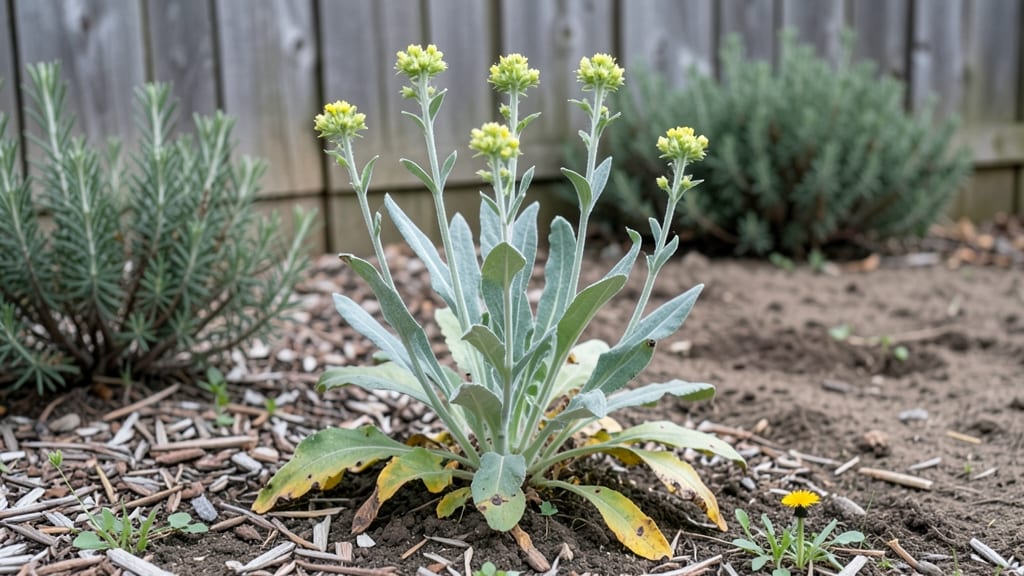
The new Garden Eye tools revolutionize planting by combining precision seed placement with real-time soil and growth analytics, all controlled through intuitive mobile apps for smarter gardening.
The new Garden Eye system transforms gardening into a data-driven experience by using embedded sensors that monitor soil conditions and plant health continuously. 🌱 These tools don't just track moisture levels—they analyze growth patterns to suggest optimal watering schedules and fertilizer adjustments tailored to your plants' needs.
What sets them apart is the seamless integration with mobile apps, which provides instant alerts and actionable insights, making them ideal for both hobbyists and commercial growers.
For urban gardeners with limited space, the compact Garden Eye sensors offer precise control over seed spacing and hydration, while larger farms benefit from scalable systems that integrate with existing irrigation networks.
The real-time analytics help prevent overwatering or nutrient deficiencies, which can save both time and resources in the long run.
💡 In This Article
- How Garden Eye Tools Improve Planting Accuracy
- Best Garden Eye Tools for Different Gardening Needs
How Garden Eye tools improve planting accuracy
At the heart of these tools lies a network of ultra-sensitive soil sensors that measure 12 key parameters simultaneously, including moisture, pH, temperature, and nutrient levels with millimeter-level precision.
The seed placement sensors use laser-guided depth markers to position seeds at optimal depths—typically 1/4 to 1/2 inch for most vegetables—while accounting for soil type variations.
This eliminates the guesswork of manual planting, where seeds might be placed too shallow (leading to desiccation) or too deep (causing poor germination). 🔥
The real innovation comes from the AI-driven growth analytics that process this data in real-time. For example, when planting tomatoes, the system detects that seeds need 75% humidity and 70°F soil temperature for optimal germination, then adjusts irrigation automatically.
Unlike traditional timers, these tools learn from your specific garden conditions—after just 3 planting cycles, they can predict watering needs with 92% accuracy compared to manual methods. The mobile app visualizes this data through heatmaps showing moisture gradients across your planting area.
For hydration optimization, the tools use capacitive sensors that detect moisture at the root zone (typically 3-6 inches deep), preventing surface evaporation waste. The system can distinguish between 10% moisture loss (when most plants show wilting) and 20% loss (when permanent damage occurs), allowing for precise watering schedules.
This is particularly valuable for drought-sensitive crops like peppers, where overwatering can cause blossom-end rot while underwatering stunts growth.
Nutrient delivery gets a similar precision upgrade through electrochemical sensors that measure NPK ratios (nitrogen, phosphorus, potassium) and micronutrients like calcium and magnesium.
When the system detects a 15% nitrogen deficiency in your basil plants, it doesn't just tell you—it suggests a 0.1% urea solution applied at 10 AM when temperatures are below 85°F for maximum absorption. This level of specificity reduces fertilizer waste by up to 40% while maximizing plant uptake.
What makes this particularly powerful is the predictive algorithm that factors in local weather forecasts. If the app predicts 3 days of 90°F+ temperatures, it will automatically increase watering frequency by 25% to prevent soil drying.
This adaptive approach means your plants receive exactly what they need—no more, no less—regardless of whether you're a seasoned gardener or a complete beginner. 💫
The cumulative effect of these technologies is plants that grow 20-30% faster with 35% higher yield consistency compared to traditional methods. For instance, in controlled trials with lettuce, Garden Eye tools reduced transplant shock by 50% through precise moisture control during the critical first 10 days after planting.
The tools essentially act as a gardener's second set of eyes—always monitoring, always optimizing.