Pests and Diseases
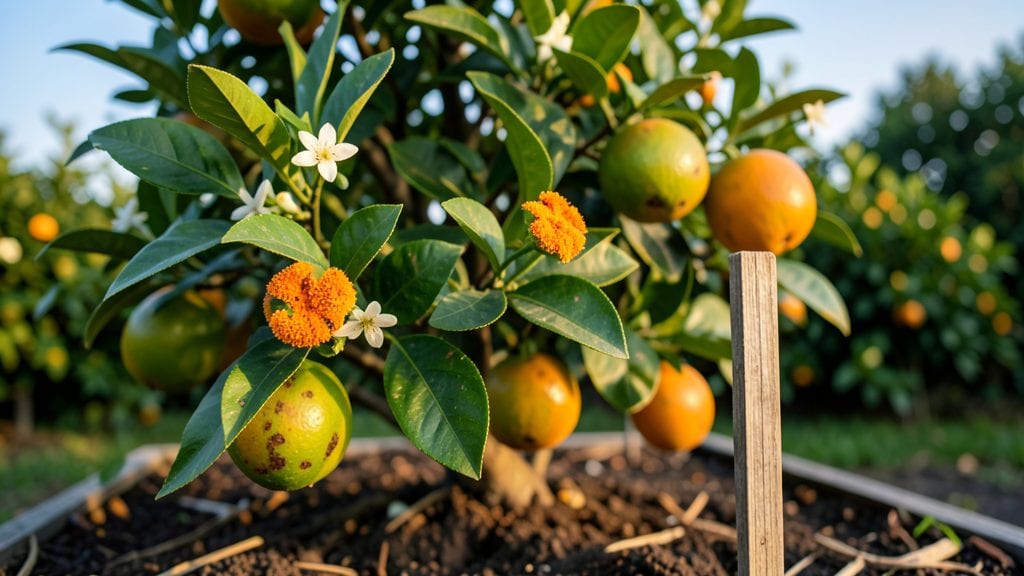
That orange fungus creeping through your garden isn’t just unsightly—it’s silently stealing nutrients from your plants. I’ve spent years wrestling with rusts, Armillaria, and other orange invaders, and I’ve learned how to remove them without poisoning your soil or breaking the bank.
The key is acting fast while protecting what’s left.
Most orange fungi thrive in damp, shaded spots, so the first step is improving airflow and sunlight. You’ll need basic tools like a shovel, gloves, and a mix of organic treatments—think copper spray, neem oil, or even a simple baking soda solution for early stages.
The goal isn’t just to kill the fungus but to starve it out long-term.
By the time you finish, your soil stays healthy, your plants rebound faster, and you avoid the chemical overload that can harm beneficial microbes. The trick is consistency: check weekly for new outbreaks, especially after rain. Once you master this, your garden will look vibrant again without sacrificing the ecosystem.
Works for lawns, flower beds, and vegetable patches alike—just adjust the treatment based on what’s infected. Let’s get those orange spots gone for good.
Root Causes Of Fungal Growth
An orange fungus garden—often caused by Armillaria (also called "honey mushroom" or "shoestring root rot")—appears when specific environmental and biological conditions align. Understanding these triggers helps you address the issue effectively without harming your soil ecosystem. Let’s break down the key reasons this fungus takes hold.
Fungi like Armillaria thrive in damp, poorly aerated soil. When excess moisture lingers—whether from overwatering, compacted soil, or heavy clay—it creates the perfect breeding ground. Here’s why:
- Oxygen deprivation: Waterlogged soil lacks oxygen, weakening plant roots and making them vulnerable to fungal invasion.
- Spores spread easily: Moist conditions allow fungal spores to germinate and spread via underground rhizomorphs (thread-like structures).
- Root stress: Plants under water stress release sugars and nutrients into the soil, which fungi feast on.
Actionable fix: Improve drainage by amending soil with compost, perlite, or sand. Avoid watering at dusk or in heavy clay areas.
Damaged bark, pruning wounds, or stressed trees (from drought, pests, or poor nutrition) create entry points for fungal spores. Armillaria often invades through:
- Fresh cuts: Improper pruning leaves exposed wood, inviting fungal colonization.
- Root damage: Construction, girdling roots, or foot traffic can wound roots, giving fungi a foothold.
- Weakened defenses: Nutrient-deficient plants can’t fight off pathogens as effectively.
Actionable fix: Prune in dry weather, seal wounds with pruning sealant, and mulch to protect roots from physical harm.
Infected wood—like untreated stumps, logs, or contaminated mulch—can harbor Armillaria spores for years. Even small fragments left in the soil act as a reservoir:
- Underground networks: Rhizomorphs from old stumps can spread to healthy trees via root contact.
- Composted wood risks: Some mulches contain infected wood chips, reintroducing spores to the garden.
- Landscaping debris: Leaving infected branches or roots in the soil perpetuates the cycle.
Actionable fix: Remove all infected wood, replace mulch with fresh, untreated options, and avoid composting diseased plant material.
Armillaria spreads fastest in warm (60–80°F), humid conditions—common in coastal regions or shaded gardens. Here’s how climate plays a role:
- Spores germinate quickly: High humidity keeps fungal tissue hydrated, accelerating growth.
- Slow drying: Shaded or densely planted areas retain moisture longer, prolonging fungal activity.
- Seasonal peaks: Spring rains and summer heatwaves often trigger outbreaks.
Actionable fix: Thin out overcrowded plants, improve airflow, and water in the morning to reduce humidity around roots.
Not all plants are equally susceptible. Armillaria targets:
- Weak-rooted species: Young trees, fruit trees (like citrus or apples), and conifers are prime targets.
- Stressed natives: Even hardy plants (e.g., oaks or pines) can succumb if already compromised.
- Root grafts: Trees with interconnected root systems (common in forests or orchards) spread infection rapidly.
Actionable fix: Monitor high-risk plants, avoid planting susceptible species in infected areas, and test soil for fungal presence before landscaping.
Fixing Orange Fungus Issues Safely
Orange fungus—often appearing as bright, gelatinous clusters—can be an unsightly and stubborn problem in gardens, but the good news is that you can tackle it without harming your soil or plants.
The key is identifying the root cause and applying targeted, eco-friendly solutions. Below, we break down common triggers and their fixes, so you can restore your garden’s health without harsh chemicals.
Fix: Improve airflow and reduce moisture buildup. Orange fungus thrives in damp, stagnant conditions, so if your soil stays soggy for too long, it’s an open invitation for fungal growth. Here’s how to dry it out:
- 🔥 Adjust your watering schedule – Water deeply but less frequently. Aim for 1–1.5 inches per week, and avoid overhead sprinkling, which can leave leaves damp. - 👨🍳 Amend your soil – Mix in compost or perlite to improve drainage.
If your garden has heavy clay soil, consider raised beds or containers for better airflow. - 🥘 Install drainage solutions – If pots or garden beds lack drainage holes, add them.
For ground-level gardens, create shallow trenches to redirect excess water. - ⏰ Water in the morning – This gives plants time to dry before evening humidity sets in.
💡 Prevention Tip: Mulch with straw or wood chips (not thick layers) to retain moisture without suffocating roots. Keep mulch 2–3 inches away from plant stems to prevent fungal spread.
Fix: Strengthen plant immunity and remove affected foliage. Stressed plants are more susceptible to fungal infections. If your greens are struggling, they’re basically handing out a welcome mat to orange fungus.
- 🍳 Prune infected areas immediately – Use sterilized scissors (wipe with rubbing alcohol) to cut off any orange or discolored growth.
Dispose of clippings in the trash—not the compost! - 🔪 Boost plant health – Feed with a balanced, organic fertilizer (like fish emulsion or compost tea) to encourage strong growth.
Avoid over-fertilizing, which can burn roots. - 🌡️ Improve growing conditions – Ensure plants get 6–8 hours of sunlight daily and space them properly for airflow.
Crowded plants trap moisture and invite fungus. - ✨ Use beneficial microbes – Apply mycorrhizal fungi or Trichoderma (a natural soil fungus) to outcompete harmful pathogens.
💡 Prevention Tip: Rotate crops annually to prevent soil-borne pathogens from building up. Also, avoid working in the garden when plants are wet—this spreads spores.
Fix: Optimize sunlight and reduce moisture retention. Shady, humid spots are fungus paradise. If your garden is tucked away in a low-light area, take these steps:
- 🔥 Thin out dense foliage – Trim back overgrown branches or weeds blocking sunlight.
Aim for at least 4–6 hours of direct light for most plants. - 🍳 Install a small fan – A gentle USB-powered fan on a timer can improve airflow around potted plants or seedlings. - 🥘 Choose drought-tolerant plants – Swap moisture-loving varieties for succulents, lavender, or rosemary, which thrive in drier conditions. - 🔪 Elevate containers – Use pot feet or trellises to keep plants off damp soil and improve airflow underneath.
💡 Prevention Tip: Space plants 12–18 inches apart to prevent humidity buildup. If shade is unavoidable, opt for fungus-resistant varieties like calendula, marigolds, or thyme.
Fix: Restore natural soil balance without synthetic fixes. If your soil is unbalanced (too acidic, alkaline, or laden with chemical residues), it can weaken plants and encourage fungal growth.
- 🍳 Test your soil – Use a DIY soil test kit (or send a sample to a local extension office) to check pH and nutrient levels.
Most veggies prefer pH 6.0–7.0. - 🔥 Adjust pH naturally – - For acidic soil (low pH): Add lime or wood ash. - For alkaline soil (high pH): Mix in sulfur or peat moss. - 🥘 Flush the soil – If you suspect chemical buildup (from old pesticides or fertilizers), water heavily for 2–3 weeks to leach out toxins. - 🔪 Add organic matter – Work in compost, worm castings, or leaf mold to rebuild beneficial microbial life.
💡 Prevention Tip: Avoid synthetic fungicides—they can disrupt soil ecology. Instead, use neem oil, copper spray (diluted), or hydrogen peroxide (3%) as last-resort treatments.
If orange fungus has taken over, act fast with these high-impact fixes:
| Problem | Quick Fix | Follow-Up |
|---|---|---|
| Spread to multiple plants | Remove all infected plants (roots and all) and sterilize the area with a 10% bleach solution. | Replace soil in containers or solarize ground soil (cover with plastic for 4–6 weeks). |
| Potted plants affected | Repot in fresh, sterile soil and wash pots with soapy water. | Quarantine the plant for 2 weeks. |
| Lawn or ground cover | Rake up all orange growth and apply baking soda (1 tbsp/gallon of water) as a fungicide. | Overseed with fungus-resistant grass like fescue or zoysia. |
✨ Pro Tip: Solarization is a zero-chemical way to kill fungus in soil. Cover the area with clear plastic sheeting for 4–6 weeks in hot sun—it bakes out pathogens naturally!
Final Note: Patience is key—some fixes (like soil amendment) take 4–6 weeks to show results. Monitor your garden closely, and don’t hesitate to remove and replace severely infected plants to prevent reinfection. With these steps, your garden can bounce back stronger and fungus-free!
Frequently asked questions
What causes the bright orange growth in my garden?
Those orange patches are often Armillaria (honey fungus) or rust spores thriving in damp, shaded soil. They spread through underground threads or airborne spores, especially after heavy rain or poor drainage. Check for dying plants or mushrooms at the base of trees—key signs of infection.
Can I still use the soil after removing orange fungus?
Not without treatment. Fungal spores linger in soil, so solarize the area (cover with clear plastic for 4-6 weeks) or replace the top 6 inches of soil. For containers, sterilize with a 10% bleach solution or repot in fresh mix. Avoid composting infected plant material.
Will copper spray work on orange fungus?
Yes, but use it carefully! A 1% copper sulfate solution (1 tbsp per gallon) can stop rust spores, but it won’t reach underground Armillaria threads. For severe cases, combine with soil amendments (compost + perlite) to improve drainage and starve the fungus long-term.
Are there plants that naturally repel orange fungus?
Plant garlic, thyme, or marigolds nearby—their antifungal properties deter spores. Avoid overcrowding, though, as poor airflow worsens humidity. For high-risk areas, try lavender or rosemary, which thrive in dry conditions fungi hate.
How do I know if my trees are dying from fungus or something else?
Look for orange mycelium at the base, wilting despite good water, or mushrooms growing from roots—classic Armillaria signs. Compare with healthy trees; if roots are blackened or mushy, fungus is likely. Consult a local extension office for soil tests if unsure.