
Pests
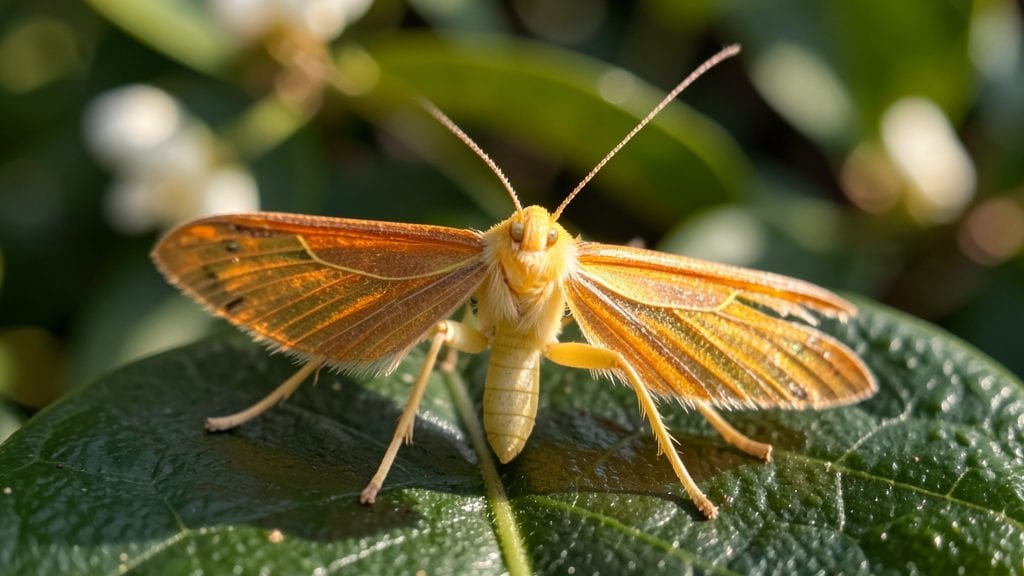
Orange garden insects might look pretty, but they can wreak havoc on your blooms and leaves. 🌿 I’ve battled everything from fuzzy orange caterpillars to tiny beetles that chew through petals, and I’ll show you how to outsmart them without harsh chemicals.
The key is acting fast—these pests multiply quickly, but natural barriers and early intervention can save your garden.
Most orange garden insects, like the orange tortrix moth or citrus beetles, target tender new growth and flowers. You’ll spot damage as jagged edges on leaves or missing petals, and the adults often hide under foliage during the day.
The good news? Many of these pests have natural predators, so the right approach strengthens your garden’s defenses instead of wiping them out completely.
With the right techniques—like neem oil sprays, sticky barriers, or introducing beneficial insects—you’ll see fewer orange invaders within a week. Your plants will stay lush, and you’ll avoid the frustration of watching blooms turn into a buffet for pests. Let’s get your garden back to thriving without the orange menace.
This works for container gardens, raised beds, and in-ground plots alike, so no matter your setup, you’ll have a pest-free strategy. The secret is consistency—check plants regularly and act at the first sign of trouble.
Root Causes Of Bright Orange Invaders
Those striking orange garden insects—often orange ladybugs or harlequin beetles—don’t just appear out of nowhere. Their presence is usually a response to specific conditions in your garden.
Understanding the why behind their arrival helps you address the issue at its source, not just chase them away temporarily. Here’s what’s likely drawing them in:
Plants under stress—whether from drought, poor soil, or overcrowding—emit chemical signals that attract beneficial (or sometimes harmful) insects. Orange garden insects, like the harlequin lady beetle (Harmonia axyridis), are often drawn to:
- Sap-rich plants: Weak or damaged foliage oozes sugars, creating a feast for insects. Look for yellowing leaves, wilting stems, or sticky residue (a sign of aphids or scale insects, which also attract orange predators).
- Lack of biodiversity: Monoculture gardens (e.g., rows of roses or veggies) offer little natural defense. Predatory insects like orange ladybugs thrive where prey insects—like aphids or mites—are abundant due to unbalanced ecosystems.
- Nitrogen-heavy soil: Fast-growing, soft plants (common in over-fertilized gardens) are easier for insects to colonize. Test your soil pH and nutrient levels; imbalances can trigger pest outbreaks.
Actionable fix: Improve plant health with compost-rich soil, proper spacing, and balanced fertilization. Introduce companion plants (e.g., marigolds or basil) to disrupt pest cycles naturally.
Most orange garden insects are predatory and target soft-bodied pests like:
- Aphids (tiny green/black sap-suckers)
- Spider mites (red/yellow specks on undersides of leaves)
- Scale insects (brown, shell-like bumps on stems)
When these pests surge—often due to dry conditions or warmth—orange ladybugs and beetles follow like vultures to a feast. Harlequin beetles, for example, can devour 5,000 aphids in a week!
But if their prey disappears, they may linger or turn to your plants as a backup food source.
Actionable fix:
- 🔍 Scout regularly: Check leaf undersides and new growth for webbing or sticky honeydew (aphid waste).
- 💦 Boost humidity: Mites thrive in dry air. Use mulch and drip irrigation to keep soil moist.
- 🌿 Encourage predators: Ladybugs, lacewings, and parasitic wasps naturally control aphids. Plant dill, fennel, or yarrow to attract them.
Orange garden insects aren’t just a natural part of the ecosystem—they’re often hitchhikers or beneficiaries of human-altered landscapes:
| Cause | How It Attracts Orange Insects |
|---|---|
| Global trade and travel | The harlequin lady beetle, native to Asia, spread to North America via shipments of Christmas trees and flowers. They’ve since become invasive in many regions. |
| Mild winters | Warmer winters mean more surviving eggs and larvae. Orange beetles, which hibernate in structures, may seek shelter in your home or garden year-round. |
| Urbanization | Loss of natural habitats pushes insects into gardens. Paved areas raise temperatures, mimicking their preferred warm microclimates. |
| Pesticide overuse | Broad-spectrum sprays kill beneficial insects first, creating a vacuum effect where predators (like orange ladybugs) move in to fill the gap. |
Actionable fix:
- 🚫 Avoid chemical sprays: Opt for neem oil or insecticidal soap to target pests without harming predators.
- 🏠 Seal entry points: Check for gaps in window screens, doors, and foundations where beetles might overwinter.
- 🌍 Support native species: Plant native flowers (e.g., milkweed, coneflowers) to restore ecological balance and reduce reliance on invasive predators.
Some orange garden insects, like harlequin beetles, develop a sweet tooth in fall. They’re drawn to:
- Overripe fruit (e.g., fallen apples, grapes, or berries)
- Tree sap (especially from maples or fruit trees)
- Honeydew trails (sticky residue from aphids)
This behavior peaks in September–October when nectar sources dwindle. While they won’t harm healthy plants, they can become a nuisance if they cluster near patios or windows.
Actionable fix:
- 🍎 Clean up debris: Remove fallen fruit, mowed grass clippings, and leaf litter to eliminate food sources.
- 🌳 Prune strategically: Trim trees to reduce sap flow and improve airflow, making them less attractive.
- 🌿 Add alternative nectar: Plant late-blooming flowers like astors or goldenrod to lure them away from your home.
Natural Ways to Outsmart Garden Pests
Dealing with unwanted orange garden insects can feel like a losing battle, but with the right strategies, you can reclaim your garden without harsh chemicals. Below are targeted solutions for common orange-colored pests—like aphids, citrus leaf miners, or even the occasional ladybug lookalike—that disrupt your plants.
Each fix is paired with prevention tips to keep your garden thriving long-term.
Cause: These tiny, orange sap-suckers cluster on leaves and stems, weakening plants by draining nutrients.
Fix:
- 🔥 Blast Them Off: Use a strong stream of water from a hose to dislodge aphids from leaves. Repeat every few days for heavy infestations.
- 🍳 Soapy Water Spray: Mix 1 tsp mild dish soap + 1 quart water in a spray bottle. Coat infested areas thoroughly—soap suffocates them without harming plants.
- 👨🍳 Introduce Predators: Ladybugs and lacewings love eating aphids. Buy them online or attract them with neem oil-free plants (like dill or fennel).
Prevention: ✅ 💡 Plant Resistant Varieties: Choose aphid-resistant plants like rosemary, lavender, or marigolds as borders. ✅ 🌡️ Keep Gardens Balanced: Healthy soil = stronger plants. Use compost and mulch to boost plant resilience. ✅ ✨ Regular Inspections: Check undersides of leaves weekly—early detection means easier fixes!
Cause: Tiny orange larvae burrow into leaves, causing yellow trails and stunted growth.
Fix:
- 🔪 Scrape Eggs Off: Use a damp paper towel to gently wipe leaves, removing eggs before they hatch.
- 🥘 DIY Trap: Place yellow sticky traps near affected plants—leaf miners are drawn to the color.
- 🌿 Neem Oil Spray: Mix 1 tbsp neem oil + 1 tsp soap + 1 quart water. Spray every 5–7 days to disrupt their life cycle.
Prevention: ✅ 🎯 Prune Smartly: Remove and dispose of infested leaves (don’t compost them!). ✅ 💡 Use Row Covers: Lightweight fabric barriers block adult flies from laying eggs. ✅ 🌡️ Boost Plant Health: Overwatering attracts miners—water deeply but less frequently.
Cause: Japanese beetles or similar orange beetles devour foliage, leaving skeletonized leaves.
Fix:
- 🍳 Beer Trap: Fill a jar with beer + water, bury it neck-deep in soil. Beetles drown in it overnight.
- 👨🍳 Handpick & Drop: Drop beetles into soapy water (not just plain water—they’ll fly away!).
- 🥘 Kaolin Clay Spray: Mix 2 tbsp kaolin clay + 1 gallon water. Spray leaves to create a slippery barrier they avoid.
Prevention: ✅ 💡 Plant Trap Crops: Sacrifice roses or grapes—beetles flock to them first. ✅ ✨ Mow Lawns Short: Beetles hide in tall grass; keep lawns trimmed to 2–3 inches. ✅ 🌡️ Avoid Over-Fertilizing: Too much nitrogen = more beetle attractants.
🔥 Pro Tip: For persistent problems, rotate methods every 2 weeks to prevent resistance. Most pests won’t return if you combine physical removal + natural repellents + prevention!
🌿 Need a Quick Fix? Try neem oil or insecticidal soap—they’re safe for pets and kids when used correctly. Always test sprays on a small leaf first to avoid damage.
Frequently asked questions
What are the most common orange garden insects I should watch for?
Look for orange ladybugs (like the invasive harlequin beetle), orange tortrix moth caterpillars, or citrus leaf miners. These pests often target tender new growth and flowers. Harlequin beetles are especially common in fall when they seek shelter in homes or gardens.
Are orange garden insects always harmful to my plants?
Not necessarily! Many orange insects, like ladybug larvae or lacewings, are beneficial predators that eat harmful pests such as aphids. The key is identifying whether they’re causing damage—check for chewed leaves, yellowing foliage, or sticky residue (a sign of sap-sucking pests they’re targeting).
How can I tell if orange beetles are damaging my garden?
Watch for skeletonized leaves (where only veins remain), tiny holes in petals, or orange larvae burrowing into leaves. Japanese beetles and citrus beetles are notorious for this. If you spot these signs, act quickly with neem oil or handpicking to prevent spread.
What’s the fastest way to get rid of orange garden pests without chemicals?
Try a soapy water spray (1 tsp mild soap + 1 quart water) or neem oil for soft-bodied pests. For beetles, beer traps (bury a jar of beer in soil) or kaolin clay sprays work well. Always remove heavily infested leaves immediately to break their life cycle.
Why do I see more orange insects in fall?
Fall triggers two behaviors: harlequin beetles seek shelter before winter, and leaf miners lay eggs as temperatures drop. Overripe fruit, tree sap, and honeydew (aphid waste) also attract them. Clean up garden debris and plant late-blooming flowers like asters to redirect them away from your home.