
Landscaping
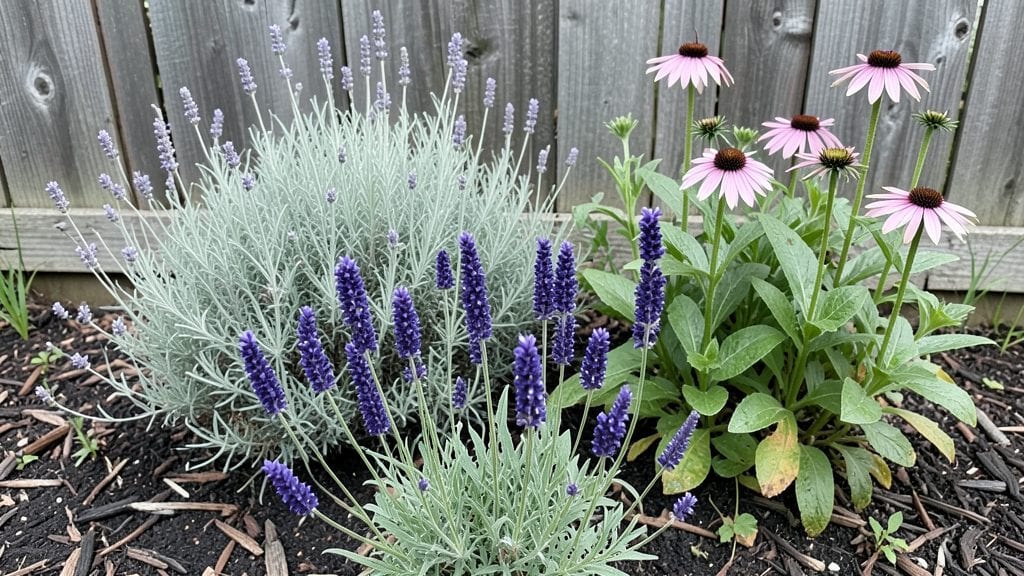
This outdoor garden idea that thrives year-round with minimal effort transformed my backyard into a low-maintenance oasis—now it only needs 30 minutes a week to stay lush and stunning. The trick lies in layering plants that handle heat, cold, and rain while filling gaps with evergreens and seasonal bloomers.
My front yard now has color from March to November, and the best part? Most of it grows itself once established.
Start with a low-maintenance framework: gravel paths for easy access, drought-tolerant perennials like lavender and coneflowers, and shrubs that stay green all winter. Add containers for annuals—petunias in summer, pansies in winter—and let them do the heavy lifting of color shifts.
Even small spaces work with vertical gardens or raised beds that fit herbs, strawberries, and salad greens.
You’ll end up with a garden that looks intentional, not labor-intensive—think velvety hostas under towering sunflowers, fragrant roses climbing trellises, and a fire pit surrounded by drought-smart succulents. The key is mixing textures and heights so there’s always something to see, even when some plants are dormant.
Let’s make your outdoor space feel like a permanent vacation spot.
These ideas adapt to any yard size, from urban balconies with hanging baskets to sprawling backyards with perennial borders. The goal isn’t perfection—it’s a garden that works with you, not against you. Here’s how to start small and build something that lasts.
Root Causes Of Garden Struggles
Even the most well-planned outdoor garden can face challenges that leave you scratching your head. Understanding why these issues arise is the first step to creating a thriving, low-maintenance space. Let’s break down the real culprits behind common garden problems—so you can fix them for good.
Your plants are only as strong as the soil they grow in. If your garden struggles with nutrient deficiencies, compaction, or improper drainage, roots can’t access the water and minerals they need. Here’s why it happens:
- Lack of Organic Matter 🌱 Soil without compost, mulch, or decomposed plant material becomes dense and nutrient-poor. Over time, essential microbes that break down organic material die off, leaving plants starved for nitrogen, phosphorus, and potassium.
- Clay or Sandy Soil Imbalances 🏗️
- Clay soil holds too much water, suffocating roots and leading to root rot (💡 Test it: Grab a handful—if it forms a tight ball that doesn’t crumble, you’ve got clay).
- Sandy soil drains too quickly, washing away nutrients before plants can absorb them (💡 Test it: If it falls apart like dust, it’s likely sandy).
- pH Imbalances 🧪 Most plants thrive in slightly acidic to neutral soil (pH 6.0–7.0). If your soil is too acidic (common in rainy climates) or alkaline (often in dry areas), nutrients like iron, manganese, and phosphorus become locked away, starving your plants.
Actionable Fix: 🔹 Amend soil with compost, peat moss (for alkaline soil), or sulfur (for alkaline correction). 🔹 Test your soil with a DIY kit (or send a sample to a local extension office) to check pH and nutrient levels.
Plants have specific light requirements, and getting it wrong can stunt growth, scorch leaves, or leave them weak and prone to disease.
- Too Much Sun (Sunburn & Stress) ☀️🔥 Delicate plants like hostas, ferns, and impatiens wilt or develop brown, crispy edges when exposed to 6+ hours of direct sun without acclimation. Even tough perennials can suffer if suddenly moved from shade to full sun.
- Too Little Sun (Leggy, Weak Growth) 🌑 Plants like tomatoes, lavender, and sunflowers need full sun (6–8 hours/day). Without it, they stretch unnaturally (etiolation), produce fewer flowers/fruits, and become vulnerable to pests.
- Uneven Light Distribution 📏 Tall structures (trees, fences) or nearby buildings can cast shifting shadows, creating microclimates where some plants get too much light while others get too little.
Actionable Fix: 🔹 Group plants by sunlight needs (e.g., shade-lovers like heuchera near trees, sun-worshippers like rosemary in open areas). 🔹 Use shade cloth (30–50% coverage) for sensitive plants in hot climates. 🔹 Rotate containers every few weeks to ensure even light exposure.
Water is life—but get the balance wrong, and you’ll either drown roots or leave them parched and brittle.
- Overwatering (Root Rot & Fungal Diseases) 🍄💦 Most plants hate soggy soil.
Overwatering displaces oxygen in the root zone, leading to: - Pythium & Phytophthora (fungal pathogens that rot roots). - Mushroom growth at the soil surface (a red flag!). - Yellowing leaves (even though the plant is drowning).
- Underwatering (Wilting & Stunted Growth) 🌵 Skipping watering or relying on rain alone can cause:
- Leaf drop (plants conserve moisture by shedding foliage).
- Blossom end rot (common in tomatoes and peppers due to calcium leaching).
- Weak stems that snap easily in wind.
- Inconsistent Watering (Stress Cycles) 🌀 Plants prefer deep, infrequent watering (1–2 inches per week) over light daily sprinkles. Shallow watering encourages weak root systems that seek moisture at the surface, making plants more susceptible to drought stress.
Actionable Fix: 🔹 Water deeply but less often—aim for 1–1.5 inches per week (including rain). 🔹 Use drip irrigation or soaker hoses to deliver water slowly at the root zone. 🔹 Mulch heavily (2–4 inches) to retain moisture and regulate soil temperature.
Even the hardiest gardens fall prey to insects, fungi, and bacteria—but many issues stem from preventable conditions.
- Pests Love Weak Plants 🐛 Aphids, slugs, and Japanese beetles target stressed plants (those with nutrient deficiencies, poor watering, or compacted soil). A healthy plant is far less appealing to pests.
- Fungal Diseases Thrive in Wet Conditions 🍄🌧️
- Powdery mildew (white, powdery coating) spreads in humid, stagnant air.
- Black spot (on roses) and rust (orange pustules) love wet foliage.
- Solution: Space plants for airflow, water at the base, and avoid overhead sprinkling.
- Soil-Borne Pathogens 🌍🦠 Fungi like Verticillium wilt or Phytophthora lurk in old garden beds. If you notice:
- Yellowing leaves (even with good water).
- Wilting despite moist soil.
- Stunted growth in multiple plants. …it could be a soil-borne disease.
Actionable Fix: 🔹 Rotate crops (don’t plant the same family in the same spot yearly). 🔹 Use neem oil or insecticidal soap for early pest control. 🔹 Solarize soil (cover with clear plastic for 4–6 weeks in summer) to kill pathogens.
Your garden isn’t just affected by seasonal changes—localized temperature and wind shifts can create hidden stress zones.
- Frost & Heat Zones ❄️☀️
- Frost pockets (low-lying areas where cold air settles) can kill tender plants overnight.
- Heat islands (paved areas radiating heat) can scorch plants even if the general forecast is mild.
- Wind Damage 💨 Strong winds desiccate leaves (causing brown, papery edges) and break stems. Young, flexible plants (like sunflowers) may lean or snap.
- Sudden Temperature Swings 📉📈 Plants struggle with rapid changes (e.g., a 90°F day followed by 50°F night). This causes:
- Blossom drop (in fruit trees).
- Stunted growth (cells can’t adjust quickly enough).
Actionable Fix: 🔹 Choose native or adapted plants for your USDA Hardiness Zone. 🔹 Use windbreaks (hedges, fences, or bamboo screens) for sheltered spots. 🔹 Mulch heavily to insulate roots from temperature extremes.
Sometimes, simple mistakes derail even the best-laid garden plans.
- Planting at the Wrong Time ⏳
- Too early? Young plants won’t survive frost.
- Too late? They bolt (flower prematurely) or struggle to establish roots before winter.
- Ignoring Plant Spacing 📏 Crowded plants compete for sunlight, water, and nutrients, leading
Quick fixes for common garden woes
Transforming your outdoor space into a thriving garden doesn’t have to be a year-round battle—just a few targeted tweaks can turn problems into opportunities. Below, we’ve mapped out the most common garden challenges and their practical, low-effort solutions, plus tips to keep your space lush with minimal upkeep.
Problem: Compacted soil, poor drainage, or nutrient deficiency stunts plant growth. Fix It:
- Test your soil 🧪: Grab a free or low-cost soil test kit from a local nursery to identify pH and nutrient levels. Adjust with amendments like compost (for nutrients) or sand/perlite (for drainage).
- Aerate compacted soil 🔨: Rent a core aerator or use a garden fork to poke holes 6 inches deep. Top with 1–2 inches of organic matter (like leaf mold or aged manure).
- Mulch like a pro 🌿: Apply 2–3 inches of mulch (straw, wood chips, or pine needles) to retain moisture, suppress weeds, and slowly enrich the soil as it breaks down.
Prevent It:
- Rotate crops annually to avoid nutrient depletion.
- Avoid walking on garden beds—opt for pathways to protect soil structure.
Problem: Aphids, slugs, or deer are feasting on your plants. Fix It:
- Handpick or hose off 💦: For aphids, blast them off with a strong stream of water. Slugs? Set out beer traps (yes, really!) or crushed eggshell barriers.
- Encourage natural predators 🐞: Plant companion flowers like marigolds (deter pests) or lavender (attracts beneficial insects like ladybugs).
- Fence out critters 🏔️: For deer, install a tall (8-foot) fence with outward-facing spikes at the top. Rabbits? Use chicken wire buried 12 inches deep.
Prevent It:
- Inspect plants weekly for early signs of pests.
- Remove fallen leaves/debris where pests hide over winter.
Problem: Extreme temperatures scorch or freeze your plants. Fix It:
- Shade vulnerable plants 🌞: Use shade cloth (30–50% coverage) for summer heat or move potted plants to sheltered spots. For winter, wrap tender plants in burlap.
- Water deeply but less often 💧: Early morning watering (1–2 inches per week) reduces evaporation and stress. Use drip irrigation for efficiency.
- Choose resilient plants 🌱: Swap heat-sensitive varieties for drought-tolerant options like succulents, lavender, or ornamental grasses.
Prevent It:
- Group plants with similar water/light needs together.
- Mulch heavily in winter to insulate roots from freezing.
Problem: Weeds choke out flowers, and vines take over trellises. Fix It:
- Smother weeds naturally 🍃: Lay down cardboard or thick layers of newspaper, then cover with mulch. Weeds die within weeks!
- Prune strategically ✂️: Trim overgrown plants in early spring to encourage bushier growth. For vines, prune annually to control spread.
- Use vinegar spray 🧴: Mix 1 gallon of white vinegar + 1 oz dish soap for a targeted weed killer (test on a small area first).
Prevent It:
- Pull weeds before they seed.
- Plant ground covers (like clover or creeping thyme) to outcompete weeds.
Pro Tip: 💡 Start small! Tackle one issue at a time—even fixing just drainage or pests can dramatically improve your garden’s health. Consistency beats intensity every time.
Frequently asked questions
What are the best low-maintenance plants for a beginner-friendly outdoor garden?
Start with hardy perennials like lavender, coneflowers, and sedum—they thrive with minimal water and come back every year. For instant color, add petunias or marigolds in containers. Succulents like hen-and-chicks need almost no care once established, while Russian sage handles drought and attracts pollinators.
How can I create a beautiful garden in a small urban space?
Use vertical gardening with wall planters or hanging baskets for herbs, flowers, or trailing vines. Opt for container gardens with dwarf varieties like bush tomatoes or strawberries. Layer textures with moss, ferns, and succulents in tiered pots. Even a 6-inch-wide window box can hold colorful annuals like pansies or sweet alyssum.
What’s the easiest way to add year-round interest to my garden?
Layer plants with different bloom times: spring bulbs (daffodils), summer perennials (black-eyed Susans), and fall/winter shrubs (camellias or hellebores). Add evergreen foliage like boxwood or holly for structure. Incorporate ornamental grasses for movement and textured mulch (like pine straw) to unify the space. A small water feature adds calming sounds year-round.
How do I keep my garden looking tidy without spending hours weeding?
Use mulch (2-3 inches deep) to suppress weeds naturally. Plant ground covers like creeping thyme or clover to outcompete weeds. Group plants by water needs to reduce maintenance. For quick cleanup, add edging materials (like metal or stone) to define borders. A 10-minute weekly walk to pluck a few weeds prevents overgrowth.