
Landscaping
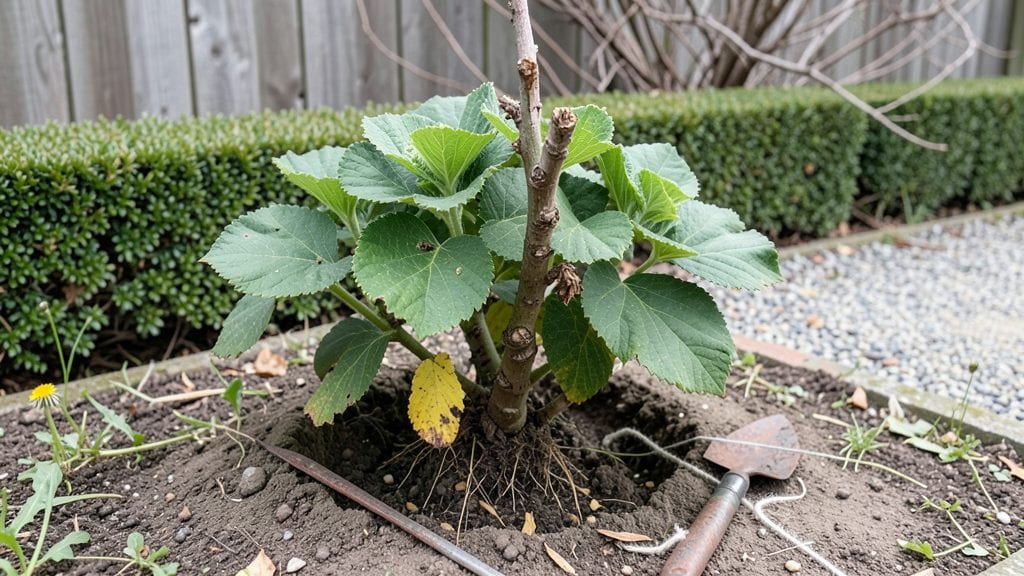
A parterre garden design transforms any yard into a structured masterpiece with its signature French layers and precision. 🌿 I fell in love with this style after seeing how it framed a small urban courtyard—suddenly, every plant had its place, and the whole garden read like a living painting.
The key isn't just symmetry; it's the way hedges, pathways, and flowering borders work together to create depth and movement.
You don't need acres to start—even a 6-foot-wide rectangular bed can become a parterre. Begin with a central path (gravel or pavers work well) flanked by low hedges like boxwood or lavender.
Fill the borders with 3-5 plant heights (tall in back, mid-height in the middle, and low ground covers up front) for that classic tiered look. For climates with hot summers, opt for drought-tolerant choices like rosemary or sedum instead of thirsty annuals.
The payoff is a garden that feels both grand and intimate—think velvety boxwood edges, sprays of pink salvia, and the crisp lines of a white gravel path leading your eye through the space.
Once established, maintenance stays manageable with weekly trimming to keep shapes sharp. Even in small spaces, this design makes every plant count.
Plot twist: parterres aren't just for formal gardens. A circular version with native perennials works beautifully in a woodland edge, while a linear design along a fence adds structure to a cottage-style yard. The rules are flexible—just keep that layered, intentional feel at the heart of it.
📚 In This Guide
- What you need
- Instructions
- Tips and common mistakes
- Wrapping up and next steps
What you need
- ● Soil & Amendments: Topsoil (1–2 cubic yards, depending on garden size)
- ● Compost (1–2 bags, for nutrient-rich beds)
- ● Gravel or sand (for drainage layers, 1–2 bags)
- ● Edging & Structure: Low boxwood hedges (pre-planted or bare-root, 12–24 plants)
- ● Metal or stone edging (10–20 ft, depending on design)
- ● Landscape fabric (1 roll, to suppress weeds)
- ● Plants & Foliage: Perennials (e.g., lavender, rosemary, boxwood, or hydrangeas—20+ plants)
- ● Annuals (for color, e.g., petunias, geraniums—10–15 plants)
- ● Ornamental grasses (e.g., fountain grass, 5–10 plants)
- ● Tools: Shovel & spade (for digging)
- ● Wheelbarrow (for hauling soil)
- ● Pruners & hedge shears (for shaping)
- ● Level & measuring tape (for precision)
- ● Garden hose with spray nozzle (for watering)
- ● Mulch (2–3 bags, for moisture retention and aesthetics)
- ● Decorative stones or pebbles (for pathways or accents)
- ● Statues, urns, or French-inspired garden ornaments
- ● Drip irrigation system (for low-maintenance watering)
- ● Garden gloves & knee pads (for comfort)
Instructions for crafting a classic French parterre garden
Let’s build a structured yet organic parterre that channels Versailles’ grandeur into your own backyard.
🪴 Step 1: Mark and Prepare the Foundation
Start by outlining your parterre shape with stakes and string—traditional designs use geometric forms like circles, ovals, or rectangles with symmetrical borders. For a 4-foot-wide bed, measure 12 feet long (adjustable) and mark the center with a wooden stake. This central axis will guide all plant placement.
Remove existing grass or weeds within the marked area, then loosen the soil to a depth of 12 inches using a garden fork. Work in 1-foot sections to avoid compacting the earth. Amend the soil with 2 inches of compost and 1 inch of coarse sand to improve drainage—parterres demand well-draining soil to prevent root rot.
☀️ Step 2: Create the Layered Framework
French parterres thrive on structured elevation. Using the 1-foot-high edging bricks, line the perimeter of your design, pressing them 1 inch into the soil for stability. For the raised center ridge, lay 2-inch-thick pavers in a 4-inch-wide strip along the central axis, leaving 6 inches of space between pavers for planting.
Next, install the low boxwood hedges at 12-inch intervals along the outer edges. Space them evenly so they’ll grow into a uniform 2-foot-high border over time. Water them deeply after planting to encourage root establishment—this hedge will define your parterre’s formal edges.
🌱 Step 3: Plant the Structural Layers
Begin with the lowest layer: plant lavender and thyme in the outer border areas, spacing them 8 inches apart. These drought-tolerant perennials will cascade slightly over the brick edges, adding texture and fragrance. Use the 1-gallon pots of each to maintain consistent spacing.
For the central ridge, place roses in 3-gallon containers at 3-foot intervals, alternating varieties for color contrast. Prune them lightly after planting to encourage bushier growth. Fill gaps between shrubs with annuals like marigolds or snapdragons—these will bloom continuously and fill in any bare spots.
✂️ Step 4: Add Finesse with Edging and Mulch
Once plants are in place, line the inner edges of the brick borders with 0.5-inch-thick metal edging strips, hammering them 1 inch into the ground to create a crisp, clean boundary. This prevents soil from spilling into walkways and keeps the design sharp.
Apply a 2-inch layer of ornamental gravel along the outer perimeter, leaving a 1-inch gap between the bricks and the mulch. For the planting areas, use 3 inches of shredded bark mulch, keeping it 2 inches away from plant stems to avoid rot. Water thoroughly after mulching to settle everything in place.
💧 Step 5: Maintain Symmetry and Seasonal Flow
Water deeply twice weekly during the first 4 weeks to establish roots, then taper to once weekly once growth stabilizes. French parterres rely on pruning discipline: trim boxwoods twice yearly—once in late spring and again in early fall—to maintain their geometric shape. Use hand pruners for clean cuts.
For seasonal interest, replace winter-dormant annuals in early spring with pansies or violas, and swap them for fall mums or asters in late summer. This keeps the design vibrant year-round while honoring the parterre’s structured elegance.
Tips & tricks for perfect French-inspired parterre gardens
Creating a classic French parterre isn't just about planting—it's about crafting a living work of art. Here are the secrets I've learned from years of designing these elegant gardens that'll elevate your outdoor space from ordinary to extraordinary.
Precision in Plant Spacing: The 8-inch spacing for lavender and thyme in Step 3 might seem generous, but trust me on this—it's essential for their mature growth. These plants will spread slightly over time, and cramped conditions lead to leggy, weak stems. For the roses in 3-gallon containers, that 3-foot interval gives them room to establish their root systems without competing for nutrients. I've seen too many parterres where plants were crowded at planting, leading to stunted growth and uneven blooms.
Soil Preparation is Non-Negotiable: In Step 1, those 2 inches of compost and 1 inch of coarse sand aren't just suggestions—they're the foundation of your parterre's success. French gardens demand well-draining soil, and this combination prevents root rot while maintaining the right moisture balance. I once tried a parterre without proper amending, and within a year, the lavender was struggling in soggy soil. The difference between a thriving parterre and one that fights to survive often comes down to this single step.
Edging Makes All the Difference: The 0.5-inch-thick metal edging strips in Step 4 might seem like an afterthought, but they're what transforms a good garden into a great one. These strips create that signature crisp boundary that defines French parterres. I recommend hammering them just slightly deeper along the outer edges where foot traffic will be heaviest. This prevents the soil from spilling out over time, maintaining that clean, geometric look for years.
Seasonal Plant Rotation Strategy: The seasonal swaps mentioned in Step 5 are where your parterre truly comes alive. I've found that replacing winter-dormant annuals in early spring with pansies creates an instant pop of color that signals the start of the gardening season. For late summer, fall mums provide that warm, inviting look that complements the roses beautifully. This rotation keeps your parterre looking vibrant throughout all four seasons without requiring you to plant everything at once.
Pro Tips for Parterre Garden Design
- Creating a classic French parterre isn't just about planting—it's about crafting a living work of art.
- Precision in Plant Spacing: The 8-inch spacing for lavender and thyme in Step 3 might seem generous, but trust me on this—it's essential for their mature growth.
- Soil Preparation is Non-Negotiable: In Step 1, those 2 inches of compost and 1 inch of coarse sand aren't just suggestions—they're the foundation of your parterre's success.
Frequently asked questions
Got questions about crafting your own parterre garden design? You’re not alone! Here are some of the most common queries—and their straightforward answers—to help you bring French-inspired elegance to your outdoor space.
What’s the best time of year to start a parterre garden?
Aim to begin in early spring (March–April) or late summer (August–September). Early spring lets you establish plants before peak heat, while late summer gives roots time to settle before winter. Avoid planting in extreme temperatures—your plants will thank you!
How do I keep my parterre garden looking neat without excessive upkeep?
Use low-maintenance perennials like lavender, boxwood, or ornamental grasses for structure, and mulch generously to suppress weeds. Opt for edging materials (like metal or stone) to define beds cleanly. A weekly trim keeps shapes sharp without overhauling the design.
Can I create a parterre garden on a budget?
Start small with divided plants (cheaper than full-grown shrubs) or propagate cuttings from existing plants. Use reclaimed materials (e.g., bricks, gravel) for borders. Prioritize one standout feature (like a focal hedge) to anchor the design affordably.
What if my soil isn’t ideal for a parterre garden?
Parterres thrive in well-draining, fertile soil, but you can improve yours! Amend clay soil with sand and compost, or raise beds with gravel or sand for drainage. For poor soil, consider container gardening in large pots—it’s a stylish workaround!
How do I choose the right plants for a parterre?
Pick plants based on height, texture, and color contrast. Start with evergreens (like boxwood) for structure, then layer seasonal blooms (e.g., tulips for spring, salvia for summer). Research light requirements—most parterres need full sun (6+ hours/day).
Wrapping up and next steps
A parterre garden design isn’t just a trend—it’s a timeless investment in beauty and sophistication. By blending French symmetry with layered textures, you’ve unlocked a space that’s both functional and breathtaking. Whether you’re starting small or transforming a sprawling yard, the key is patience and creativity.
Ready to bring your vision to life? Start sketching your layout today! Gather your materials, sketch out your design, and let your garden tell its own story. Bon courage—your masterpiece awaits! 🌿✨