
Planting
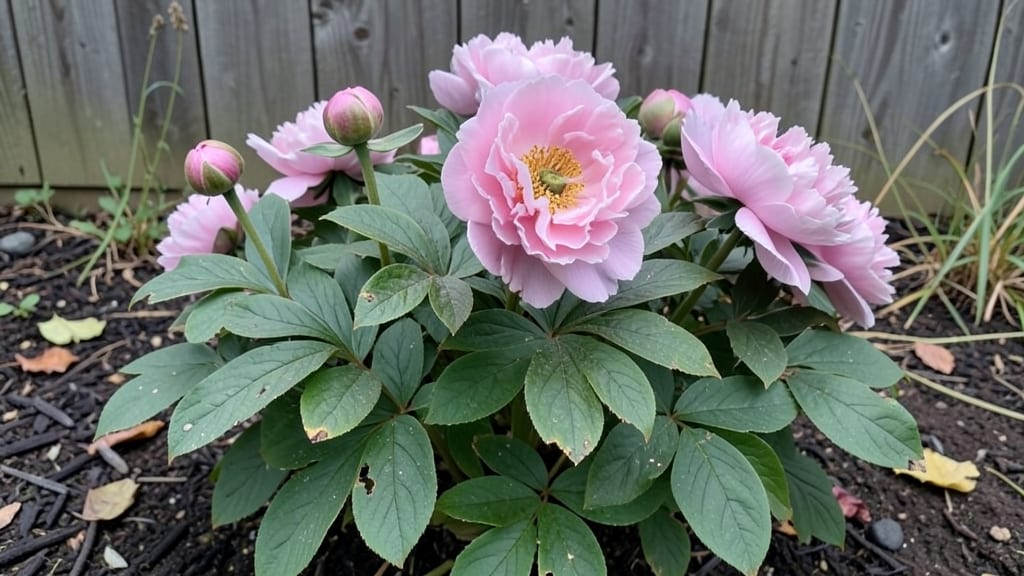
Peonies in your garden aren’t just plants—they’re the star of the show with their fragrant blooms that last from late spring to early summer. 🌸 I’ve learned the hard way that planting them in the right spot transforms a good garden into a showstopper, while the wrong placement leaves you with floppy stems and hidden flowers.
The secret lies in their placement: full sun (at least 6 hours daily) and well-draining soil that prevents those dreaded soggy roots.
Pair them with late-blooming perennials like coneflowers or ornamental grasses to extend the seasonal drama—your garden will feel like a five-star floral display, not just a patch of green.
You’ll end up with lush, velvety blooms that command attention, whether they’re anchoring a border or stealing the show in a mixed perennial bed. The fragrance alone—sweet, honeyed, and intoxicating—makes them worth every inch of garden real estate they claim.
Works beautifully in cottage gardens, modern borders, or even as a dramatic focal point near pathways. Once established, they’re nearly maintenance-free, blooming reliably for decades. Here’s how to make them the centerpiece of your garden design.
📚 In This Guide
- What you need
- Instructions
- Tips and common mistakes
- Wrapping up and next steps
What you need
- ● Peony plants: Choose between bare-root (dormant, best for fall planting) or potted peonies (available year-round). Aim for 3–5 plants for a full, fragrant display.
- ● Well-draining soil: Peonies love loamy, fertile soil with a pH of 6.0–7.5. Amend clay or sandy soil with 2–3 inches of compost or aged manure.
- ● Sunlight access: Select a full-sun spot (6+ hours of sunlight daily) or partial shade (4–6 hours) for cooler climates.
- ● Planting hole: Dig a hole 2–3 times wider than the root ball and 1–2 inches deeper than the plant’s crown (the swollen base).
- ● Watering can or hose: A gentle spray nozzle prevents soil erosion around delicate roots.
- ○ Mulch (optional but recommended): Use 2–3 inches of organic mulch (e.g., shredded bark, straw) to retain moisture and regulate soil temperature.
- ● Garden trowel or spade: For digging and transplanting.
- ● Gloves: Protect your hands from thorns (peony stems can be prickly!).
- ● Pruners (sterilized): Sharp, clean pruners for deadheading spent blooms and pruning leggy stems in late fall.
- ○ Stakes or cages (optional): Tall peony varieties (e.g., Paeonia lactiflora) may need support as they grow.
- ● Fertilizer (low-phosphorus): Use a balanced, slow-release fertilizer (e.g., 10-10-10) only in early spring—peonies hate overfeeding!
- ● ✨ Avoid planting too deep: Peonies will not bloom if buried too deeply—keep the crown just above soil level.
- ● 🌡️ Climate prep: In hot climates, provide afternoon shade to prevent wilting.
- ● 🎯 Patience is key: Peonies may take 2–3 years to reach full bloom—stick with it!
Step-by-step guide to planting peonies in your garden
Peonies reward patience with decades of fragrant blooms—here's how to plant them for maximum impact.
🪴 Step 1: Choose the Perfect Planting Spot
Peonies thrive in full sun—select a location receiving at least 6-8 hours of direct sunlight daily. They tolerate partial shade, but blooms will be fewer and smaller. I always test the site by observing how sunlight moves across the area throughout the day, especially in late afternoon when peonies need warmth to develop buds.
Peonies hate soggy roots, so avoid low-lying areas where water pools. The soil should drain well but retain moisture—amend heavy clay by mixing in 2-3 inches of compost or organic matter (like leaf mold) to improve aeration. Here's the thing—peonies planted in perfect conditions can live and bloom for 50+ years, so choose carefully.
🌱 Step 2: Plant Bare-Root Peony Crowns Properly
Dig a hole 2-3 inches deeper than the crown (the fleshy, knobby base where roots emerge). The crown should sit 1-2 inches below soil level—burying too deep suffocates the plant, while planting too shallow exposes it to frost damage. I mark the hole depth with a stake to avoid guesswork.
Spread roots gently in all directions without bending them. Fill the hole halfway with soil, then water deeply to settle it. This prevents air pockets that can strangle new roots. Once settled, top off with more soil and firm lightly with your hands. Water again until the soil is evenly moist—not soggy, but not dry.
☀️ Step 3: Mulch and Protect for the First Critical Year
Apply 2-3 inches of organic mulch (like shredded bark or straw) around the base, keeping it 6 inches away from the crown to prevent rot. Mulch conserves moisture and regulates soil temperature, which peonies love. I use pine straw because it breaks down slowly and resists compaction.
Peonies need time to establish roots—avoid fertilizing the first year. In fact, too much nitrogen now encourages leafy growth at the expense of flower buds. Instead, focus on keeping the soil consistently moist (but never waterlogged) until fall. You'll see first blooms in year 2 or 3—patience pays off.
✂️ Step 4: Prune and Maintain for Long-Term Health
Wait until late spring (after the last frost) to prune dead foliage from the previous year. Cut stems back to 1-2 inches above the ground—never leave stubs, which trap moisture and invite disease. I use clean, sharp pruners to make clean cuts at a 45-degree angle just above a bud or node.
Peonies need minimal care once established. In early spring, apply a balanced, slow-release fertilizer (like 10-10-10) when new shoots appear—never in fall, as it encourages late-season growth vulnerable to frost damage. Watch for ant queen wasps (they lay eggs in buds)—remove affected buds immediately to protect next year's blooms.
⏰ Step 5: Divide and Propagate Every 5-7 Years
Peonies multiply underground—when clumps grow too large, they produce fewer blooms. Dig up the entire plant in early fall, then separate crowns with 3-5 healthy buds each. Replant immediately at the same depth, as transplant shock is worse if roots dry out.
Here's the trick: never divide young peonies—wait until they've established for at least 5 years. Overcrowded roots mean fewer flowers, but dividing too soon stresses the plant. After replanting, water deeply and mulch heavily to help recovery. You'll see full bloom potential restored within 2 years of proper division.
Tips & tricks for perfect peony planting
Peonies demand precision and patience—here's how to avoid common pitfalls and maximize those showstopping blooms.
Sunlight Strategy: When evaluating your 6-8 hour sunlight spot, pay special attention to late afternoon sun exposure. Peonies need that golden hour warmth to properly develop flower buds. I test potential sites by placing a white board in the afternoon—if it casts a shadow for at least 3 hours, that's your ideal location. East-facing spots often get the perfect balance of morning sun without scorching afternoon heat.
Planting Depth Precision: The 1-2 inch crown depth rule is non-negotiable, but here's the trick: use a pencil to mark your hole depth before planting. This visual reference prevents the common mistake of planting too shallow, which leaves crowns vulnerable to frost heave in winter. I've seen peonies planted too deep completely fail to bloom because the crown can't breathe properly.
Mulch Mastery: Those 2-3 inches of organic mulch serve multiple purposes beyond moisture retention. In winter, mulch acts as insulation against temperature swings that can damage dormant buds. I like to refresh mulch annually in early spring, adding a thin layer of compost to the surface before spreading fresh mulch. This gives peonies a gentle nutrient boost without overwhelming them.
Dividing Wisdom: The 5-year establishment rule before dividing is crucial, but timing matters just as much. I always divide in early fall when temperatures are cooling but before hard frosts arrive. This gives roots time to knit together before winter dormancy. After dividing, I soak the roots in water for 10 minutes to revive them before replanting—this simple step dramatically improves transplant success.
Pro Tips for Peony Plant In Garden
- Peonies demand precision and patience—here's how to avoid common pitfalls and maximize those showstopping blooms.
- Sunlight Strategy: When evaluating your 6-8 hour sunlight spot, pay special attention to late afternoon sun exposure.
- Planting Depth Precision: The 1-2 inch crown depth rule is non-negotiable, but here's the trick: use a pencil to mark your hole depth before planting.
Frequently asked questions
Got questions about growing peonies in your garden? Here are some of the most common ones—and their answers!
When is the best time to plant peonies?
The ideal time to plant peonies is in early fall (4–6 weeks before the ground freezes) or early spring (as soon as the soil is workable). Fall planting gives roots time to establish before winter, while spring planting works in warmer climates. Avoid planting in extreme heat or cold—peonies hate stress!
How long does it take for peonies to bloom after planting?
Peonies are patient beauties! Most varieties take 2–3 years to establish and bloom after planting. Some heritage or bare-root peonies may take up to 5 years, but once they do, they’ll reward you with decades of lush, fragrant flowers. Patience pays off!
Do peonies need a lot of water?
Peonies are drought-tolerant once established but thrive with 1–1.5 inches of water per week during their first growing season. Overwatering can cause root rot, so ensure well-draining soil. After the first year, they’re low-maintenance—just let nature do the work!
What pests or diseases should I watch for with peonies?
Peonies are generally pest-resistant, but keep an eye out for leaf spot fungus (caused by wet foliage) and peony sawfly larvae (which chew leaves). For fungus, improve airflow; for sawflies, handpick larvae or use neem oil. Healthy soil and proper spacing prevent most issues!
Can I grow peonies in containers or small gardens?
Yes! Dwarf peony varieties (like 'Bowl of Beauty' or 'Sarah Bernhardt') thrive in containers (12–18" deep) with well-draining soil. Just ensure they get 6+ hours of sun and replant every 3–4 years to refresh the soil. Small spaces? Peonies fit perfectly!
How do I extend peony blooming season?
Deadhead spent blooms to encourage more flowers, but leave some seed pods for late-season interest. For longer vase life, cut stems early in the morning and change water daily. Some varieties (like intersectionals) bloom later than herbaceous types—choose wisely for seasonal color!
Wrapping up and next steps
Adding a peony plant to your garden is a rewarding choice—its fragrant blooms, lush foliage, and low-maintenance nature make it a standout perennial. Whether you’re drawn to classic varieties or vibrant hybrids, these beauties will bring years of color and charm with minimal effort. Now’s the perfect time to plant!
Ready to transform your garden? Start by selecting healthy roots or bare-root peonies, then follow the planting steps outlined above. Watch your garden flourish as these stunning perennials become the centerpiece of your outdoor space. Happy gardening! 🌸✨