Pests and Diseases
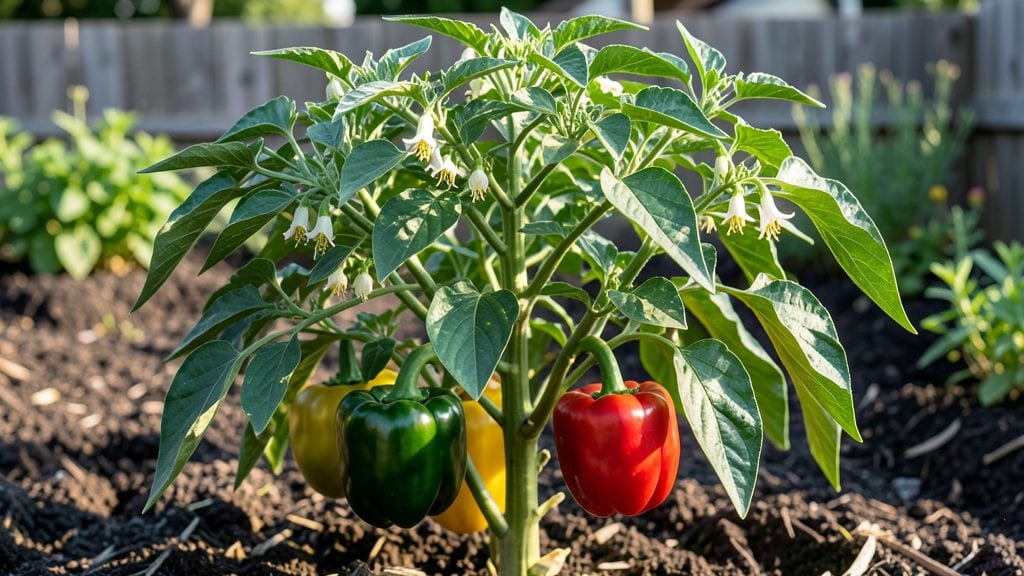
Here are my pepper gardening tips from seed to harvest: patience and heat—both in the soil and the sun—are the real secrets to those sweet, spicy payoffs. 🌶️ My first year, I planted too close and ended up with pale, stunted plants that barely ripened before frost.
Now I know the exact spacing, soil warmth tricks, and watering rhythm that turn seedlings into prolific producers.
The foundation starts with a 5-10 gallon pot per plant (or 18-24 inches apart in the ground) and soil that stays between 70-80°F—too cool and they sulk. Most gardeners overwater, which dilutes flavor and invites disease, so I’ve switched to deep watering twice a week instead of daily sprinkles.
A balanced fertilizer at planting and a side-dressing of compost mid-season keeps them fed without burning.
By midsummer, you’ll see the difference: glossy leaves, thick stems, and peppers the size of your palm instead of shrunken, bland nubs. The real magic happens when you prune suckers (those little shoots in the leaf axils) to focus energy on fruit production.
Even my black thumb can’t mess this up once you get the rhythm.
Works for bell peppers, jalapeños, and everything in between—just adjust spacing and heat tolerance. Here’s how to make it happen without the rookie mistakes.
📚 In This Guide
- What you need
- Instructions
- Tips and common mistakes
- Wrapping up and next steps
What you need
- ● Pepper plants: 5–10 seedlings (or seeds) per variety (e.g., jalapeños, bell peppers, habaneros). Choose disease-resistant types if pests are common in your area.
- ● Containers or garden bed: Containers: 5–10 gallon pots (1 per plant) with drainage holes. Opt for fabric grow bags for better aeration.
- ● Garden beds: Well-draining soil in a sunny spot (6+ hours of sunlight daily). Raised beds are ideal for heavy or clay soil.
- ● Potting mix: 5–10 bags of high-quality, sterilized potting soil (avoid garden soil—it’s too dense). Add perlite or vermiculite (1 part per 4 parts soil) for drainage.
- ● Fertilizer: Balanced fertilizer (10-10-10 or 5-5-5) for planting.
- ● Low-nitrogen, high-phosphorus fertilizer (e.g., 5-10-10) once flowers appear.
- ● Watering can or hose: With a gentle spray nozzle to avoid disturbing roots.
- ● Pruning shears: Sharp, sterilized shears for trimming dead leaves or suckers.
- ○ Support (optional but helpful): Stakes or cages (3–4 ft tall) for taller varieties like bell peppers.
- ● Mulch: Straw or black plastic to retain moisture and suppress weeds.
- ● Row covers: Lightweight fabric to protect seedlings from pests or frost.
- ● pH test kit: Peppers thrive in slightly acidic soil (pH 6.0–6.8). Adjust with lime (to raise pH) or sulfur (to lower it).
- ● Organic pest control: Neem oil, insecticidal soap, or companion plants (e.g., basil or marigolds) to deter pests.
- ● Grow lights: If starting indoors, use LED grow lights (12–16 hours/day) until seedlings are hardened off.
Step-by-Step instructions for growing peppers like a pro
Here’s how to coax those sweet, spicy peppers into a thriving harvest—no mystery involved.
🌱 Step 1: Start Seeds Indoors at the Right Time
Peppers need warmth to germinate, so kick things off 8-10 weeks before your last frost date. Fill seed trays with the seed-starting mix and plant seeds ¼ inch deep, spacing them ½ inch apart. Cover lightly with more mix—don’t bury them deeper than that.
Keep the soil consistently moist (not soggy) by misting until germination. A seedling heat mat set to 80-85°F speeds things up—expect sprouts in 7-14 days. Once they’ve got 2-3 true leaves, it’s time to transplant into 4-inch pots with fresh potting mix. This prevents root-bound stress later.
☀️ Step 2: Harden Off and Transplant Outdoors
Two weeks before moving peppers outside, start hardening them off. Place pots in a sheltered spot for 1 hour the first day, then gradually increase time by 1 hour daily. By day 10, they should handle 6-8 hours of sun without wilting.
Transplant after all danger of frost has passed and soil is at least 60°F. Bury stems slightly deeper than before—this encourages stronger root growth. Space plants 12-18 inches apart in full sun (peppers need 6+ hours daily). If your soil drains poorly, amend with compost to improve texture.
💧 Step 3: Water Deeply and Keep Soil Consistent
Peppers hate wet feet but dry out fast. Water deeply once a week, aiming for 1-1.5 inches of moisture per session. Let the top inch of soil dry between waterings—this prevents blossom-end rot (a common pepper plague). Mulch with straw to retain moisture and block weeds.
Here’s the trick: water at the base and avoid wetting leaves. This cuts down on fungal diseases like powdery mildew. If you see wilting in the afternoon, it’s a sign you’re underwatering—not a pest problem.
✂️ Step 4: Prune and Support for Maximum Yield
When peppers reach 12-18 inches tall, pinch off the first few flower clusters if you want bushier plants. This redirects energy to stronger stems and more fruit later. For longer varieties, tie them to stakes or cages as they grow—peppers get heavy and can snap under their own weight.
Remove any yellow or diseased leaves immediately. This keeps air circulating and prevents rot from spreading. If you notice brown spots on fruit, it’s likely blossom-end rot—fix it by adding calcium-rich fertilizer and keeping soil moisture steady.
🌿 Step 5: Harvest at Peak Ripeness
Peppers are ready when they’ve reached full color and feel firm to the touch. Pick them with clean pruners or scissors—twisting can damage the stem. Harvest regularly to encourage more production. Store them in a cool, dry place (50-55°F) for up to 2 weeks.
Don’t wait for overripe peppers to harvest—this slows down new growth. If you miss the boat, you can still use them (they’ll just be softer), but consistent picking keeps your plants productive all season.
Tips & tricks for perfect pepper gardening
These proven tricks will help you avoid common pitfalls and maximize your pepper harvest from seed to table.
Seed Starting Wisdom: In Step 1, when planting seeds ¼ inch deep, use a fine mist spray bottle to keep the seed-starting mix consistently moist without oversaturating it. I've learned the hard way that soggy soil causes damping off—a fungal disease that kills seedlings. Place seed trays on a seedling heat mat set to 80-85°F for consistent warmth. If you don't have a heat mat, try placing trays on top of your refrigerator (which stays warm) or use a clear plastic bag to create a mini greenhouse effect.
Harden Off Gradually: The 1-hour daily increase in Step 2 is crucial—don't rush this process. I once tried moving my seedlings outside all at once and they bolted (flowered prematurely) from the shock. Start with just 1 hour in morning sun, then increase by 1 hour daily. By day 10, they should handle 6-8 hours of sun without wilting. Watch for leaves curling or yellowing as signs they're not ready for longer exposure.
Watering Strategy: The deep watering technique in Step 3 works wonders, but timing matters too. Water in the morning so plants have all day to dry out. I use a moisture meter to check when the top inch of soil is dry—this prevents both underwatering and overwatering. For container-grown peppers, I add a layer of pebbles at the bottom of pots to improve drainage and prevent root rot. Remember, peppers need 1-1.5 inches of water per week, but this varies with your climate.
Pruning for Productivity: When your peppers reach 12-18 inches tall in Step 4, pinch off the first few flower clusters only if you want bushier plants. This isn't required for all varieties—hot peppers often benefit from more flowers early, while sweet peppers can handle pruning. For taller varieties, use soft plant ties to secure them to stakes or cages. I've found that removing yellow leaves immediately prevents disease spread better than any fungicide.
Pro Tips for Pepper Gardening Tips
- These proven tricks will help you avoid common pitfalls and maximize your pepper harvest from seed to table.
- Seed Starting Wisdom: In Step 1, when planting seeds ¼ inch deep, use a fine mist spray bottle to keep the seed-start...
- Harden Off Gradually: The 1-hour daily increase in Step 2 is crucial—don't rush this process. I once tried moving my ...
Frequently asked questions
Got questions about growing peppers? You’re not alone! Here are answers to the most common pepper gardening dilemmas to keep your plants thriving and your harvests plentiful.
When is the best time to plant pepper seeds indoors vs. outdoors?
Start pepper seeds indoors 8–10 weeks before your last frost date (typically February–March in most climates). Transplant seedlings outdoors after soil warms to 60°F+ (usually late May–June). Peppers hate cold—waiting too long risks stunted growth or death. Use a heat mat if starting early!
How do I prevent common pepper pests like aphids or hornworms?
Combat pests with organic defenses:
- Handpick hornworms (check leaves daily!) and drop them in soapy water.
- Spray neem oil or insecticidal soap on aphids (early morning/evening to avoid harming bees).
- Attract beneficial predators like ladybugs or lacewings with companion plants (basil, marigolds).
For severe infestations, try BT (Bacillus thuringiensis), a natural bacteria that targets caterpillars.
Why are my pepper plants turning yellow or dropping flowers?
Yellow leaves often signal overwatering (check soil moisture—peppers prefer well-draining soil) or nutrient deficiencies (add compost or a balanced fertilizer like 10-10-10). Dropping flowers? Blame temperature swings (peppers need consistent warmth, 70–85°F). Avoid cold drafts or sudden heat changes!
Can I grow peppers in containers? What’s the best setup?
Use 5-gallon+ containers with drainage holes and a high-quality potting mix (avoid garden soil). Place pots in full sun (6+ hours/day) and fertilize every 2–3 weeks. Dwarf varieties (like ‘Shishito’ or ‘Jalapeño M’) thrive in containers, while larger types (like ‘Bell’ or ‘Habanero’) need bigger spaces.
How long does it take for pepper plants to produce fruit?
Patience is key! From seed, expect 60–90 days for hot peppers (e.g., cayenne) and 70–120 days for bells. Transplanted seedlings may take 10–14 days to adjust before flowering. Pro tip: Prune leggy plants to redirect energy to fruit production—pinch off early flowers if seedlings are small!
Wrapping up and next steps
Growing peppers is a rewarding journey that combines patience, care, and a dash of creativity! 🌱 Whether you're battling pests, managing diseases, or fine-tuning your soil, these pepper gardening tips will set you on the path to a thriving harvest.
Remember, every expert gardener started with a single seed—your green thumb is closer than you think!
Ready to take the next step? Start small—pick one or two tips to implement this season, and watch your pepper plants flourish. Happy gardening, and may your harvest be as spicy (or sweet!) as you dream! 🌶️✨