
Neem Oil
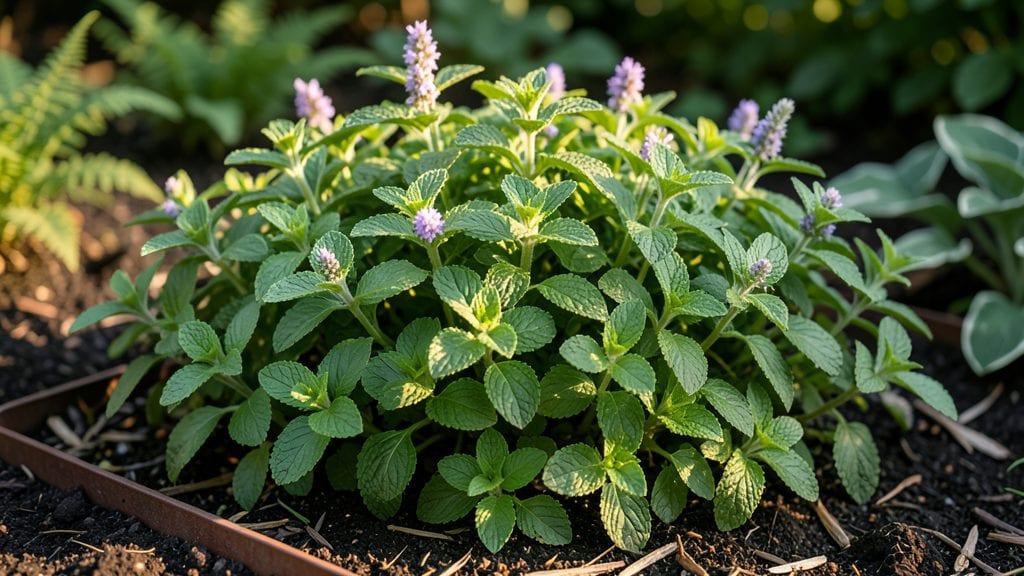
Peppermint oil in gardens acts as a natural pest deterrent by repelling ants, aphids, and deer through its potent aromatic compounds, while also supporting plant health with antimicrobial benefits. Always dilute it properly to prevent plant damage.
Peppermint oil’s effectiveness comes from its active compounds—menthol and menthone—which mask plant attractants that pests rely on. 🌿 These chemicals disrupt insects' ability to locate food sources, making treated areas less appealing.
Unlike synthetic pesticides, peppermint oil breaks down quickly in sunlight, reducing long-term environmental impact while keeping your garden thriving.
For best results, mix 1 teaspoon of peppermint oil with 1 cup of water and add a few drops of dish soap as an emulsifier. Spray foliage in the early morning or evening to avoid burning plants in direct sunlight.
Focus on problem areas like vegetable beds or near entry points where pests commonly invade.
💡 In This Article
- How Peppermint Oil Disrupts Pest Behavior
- Safe Application Methods for Peppermint Oil in Gardens
How peppermint oil disrupts pest behavior
The real magic happens at the molecular level with two key compounds: menthol and menthone. These chemicals create a sensory overload for pests by overwhelming their olfactory receptors—the same ones they use to detect plant attractants like phytohormones.
Menthol, for instance, triggers a cooling sensation in insects' antennae, creating an unpleasant experience that makes them avoid treated areas. 🔥 Studies show that even low concentrations (0.05%) can deter ants by up to 90% within minutes of exposure.
Peppermint oil works on multiple levels. First, it masks plant attractants that pests rely on to find food, like the volatile organic compounds (VOCs) released by stressed plants.
Second, its strong aroma disrupts insect navigation systems—some species like aphids use scent trails to locate host plants, and peppermint oil scatters these chemical signals. Third, the oil's antimicrobial properties create an inhospitable environment for microbial pests, reducing the food sources that attract larger insects.
Let's compare its effectiveness against common garden pests: ants are deterred by the oil's strong scent, which they associate with danger; aphids avoid treated leaves because the menthol interferes with their feeding receptors; and deer stay away due to the oil's pungent aroma, which masks the plants' natural scent.
Unlike synthetic pesticides, peppermint oil doesn't kill pests outright—it creates an environment they actively avoid, making it a humane yet powerful deterrent.
What most gardeners don't realize is that peppermint oil's effectiveness varies by pest species. For example, spider mites are less affected because they primarily respond to visual cues rather than scent. However, when combined with neem oil, the dual-action approach creates a stronger barrier.
The key is understanding which pests rely most on chemical cues—these are the ones that will show the quickest response to peppermint oil treatments.
Temperature plays a surprising role in how well peppermint oil works. In cooler weather (below 65°F), the oil's compounds evaporate more slowly, extending their repellent effect.
This is why early morning or evening applications work best—the cooler temperatures allow the scent to linger longer on foliage, giving pests more time to detect and avoid the treated plants. 💫
For visual learners, imagine this: A garden treated with peppermint oil becomes a chemical maze where pests constantly receive conflicting sensory signals.
The plants' natural scents are drowned out by the oil's overwhelming aroma, while the menthol creates an unpleasant sensory experience that makes the garden feel like a hostile environment. This dual approach explains why peppermint oil remains one of the most effective natural pest deterrents available.