
Companion Plants
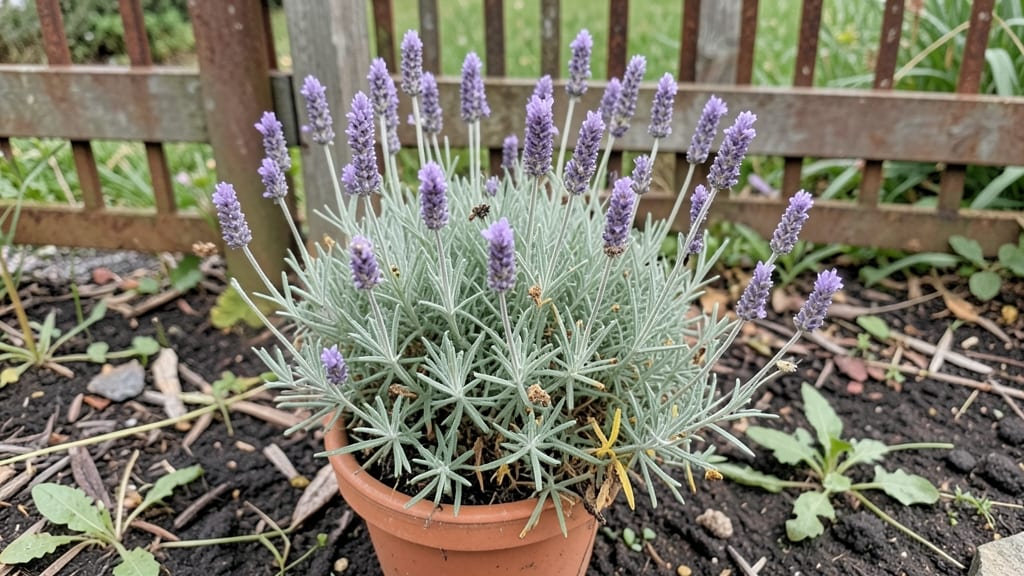
Growing popular garden plants that buzz with life is easier than you think—and the payoff is a backyard that hums with bees, butterflies, and birds.
Did you know that planting just a few pollinator-friendly garden plants can transform your yard into a thriving ecosystem? These easy-to-grow species not only add beauty but also play a crucial role in sustaining local biodiversity—right in your backyard.
Whether you’re a seasoned gardener or just starting out, the right plants can turn a patch of soil into a vibrant hub for wildlife.
From sun-loving perennials to shade-tolerant annuals, I’ll show you how to pick the top performers for your climate and design a garden that works as hard as it looks.
Ready to ditch the boring green lawn? Below, I’ll share the most impactful choices, their care secrets, and how to arrange them for year-round color and buzzing activity.
Top 10 pollinator-friendly garden plants for every climate zone
Creating a pollinator-friendly garden is one of the most rewarding ways to support local ecosystems. Whether you live in a cool coastal climate, a temperate midwest region, or a warm desert zone, the right plants can attract bees, butterflies, and hummingbirds year-round.
The key is selecting species that thrive in your area while providing continuous nectar sources from early spring to late fall.
I’ve curated this list based on climate adaptability, bloom duration, and pollinator appeal. Each plant offers something unique—whether it’s early-season food for emerging bees or late-season blooms to fuel migrating monarchs. For best results, mix perennials (long-lived) with annuals (seasonal) to ensure blooms don’t gap.
Below, you’ll find a region-specific breakdown with planting tips and seasonal timing to maximize pollinator visits. Pro tip: Pair plants with different bloom times to create a "buffet" that keeps pollinators fed all season.
🌱
| Plant | Climate Zone | Bloom Season | Pollinators Drawn | Sun Needs |
|---|---|---|---|---|
| Bee Balm (Monarda) | Cool to Warm | Summer-Fall | Bees, Hummingbirds | Full Sun-Part Shade |
| Coneflower (Echinacea) | Temperate-Warm | Mid-Summer-Fall | Bees, Butterflies | Full Sun |
| Lavender (Lavandula) | Warm-Cool | Spring-Summer | Bees, Butterflies | Full Sun |
| Milkweed (Asclepias) | All Zones | Summer | Monarch Butterflies | Full Sun-Part Shade |
| Salvia (Salvia spp.) | Warm-Temperate | Spring-Fall | Hummingbirds, Bees | Full Sun |
| Black-Eyed Susan (Rudbeckia) | Cool-Warm | Summer-Fall | Bees, Butterflies | Full Sun-Part Shade |
| Goldenrod (Solidago) | Temperate-Cool | Late Summer-Fall | Bees, Butterflies | Full Sun |
| Asters (Symphyotrichum) | Cool-Temperate | Fall | Bees, Butterflies | Part Shade-Full Sun |
| Butterfly Weed (Asclepias tuberosa) | Warm-Temperate | Summer | Monarchs, Bees | Full Sun |
| Russian Sage (Perovskia) | Warm-Drought | Summer-Fall | Bees, Hummingbirds | Full Sun |
For cool climate zones (USDA Zones 1-6), focus on perennials like bee balm and asters, which thrive in shorter growing seasons. These plants often rebloom annually with minimal care, making them ideal for low-maintenance pollinator gardens.
In temperate zones (Zones 7-9), mix coneflower and salvia for year-round interest, as they handle both heat and mild winters.
In warm climates (Zones 10-12), prioritize drought-tolerant species like Russian sage and butter
How to design a pollinator-friendly garden layout for maximum impact
Creating a pollinator-friendly garden isn't just about planting flowers—it's about designing a continuous nectar flow that mimics nature's ecosystem. By strategically arranging popular garden plants and adding essential elements like water and shelter, you can turn your yard into a buzzing hub for bees, butterflies, and hummingbirds.
The key is to think like a pollinator: provide food, water, and safe habitats year-round.
Start with a layered approach that includes plants with staggered blooming times. Early spring bloomers like crocus and violets should lead into summer favorites like coneflowers and black-eyed Susans, followed by late-season asters and goldenrod.
This ensures pollinators always have fresh nectar, even as seasons change. Grouping plants by their bloom periods creates a visual and nutritional timeline that keeps your garden thriving.
- 🌱 Early Spring: Crocus & Daffodils (March-April) – Attract early bees
- 🌿 Late Spring: Lavender & Bee Balm (May-June) – Rich nectar for butterflies
- ☀️ Summer: Coneflowers & Milkweed (June-August) – Monarch magnet
- 🌻 Fall: Asters & Goldenrod (September-October) – Late-season pollinator feast
- ❄️ Winter Interest: Ornamental Grasses (Year-round) – Shelter for insects
Incorporate companion planting to maximize your garden's efficiency. Pair herbs like thyme and oregano with flowering perennials—their aromatic leaves deter pests while keeping pollinators happy. For example, plant basil near tomatoes to repel flies, but add marigolds nearby to attract beneficial insects.
This symbiotic pairing reduces chemical needs and boosts biodiversity.
Avoid these common mistakes that can sabotage your pollinator paradise: using pesticides (even "organic" sprays can harm bees), planting only one type of flower (monocultures offer limited nutrition), or neglecting water sources.
Instead, add a shallow dish with pebbles or a bee bath filled with fresh water. Place it near plants so pollinators can easily refuel between foraging sessions.
Don't forget to include shelter and nesting sites. Leave patches of bare soil for ground-nesting bees, and add a butterfly house or bee hotel for overwintering. Native shrubs like serviceberry or winterberry provide year-round structure and berries for birds, completing the ecosystem.
Even a simple log pile in a shady corner can become a haven for solitary bees.
Finally, observe and adjust. Notice which popular garden plants attract the most visitors and expand those areas. If you spot fewer pollinators in certain seasons, add seasonal fillers like pansies in winter or sunflowers in late summer.
With each season, your garden will become more inviting, proving that even small changes create big impacts for local wildlife. 🌿