
Landscaping
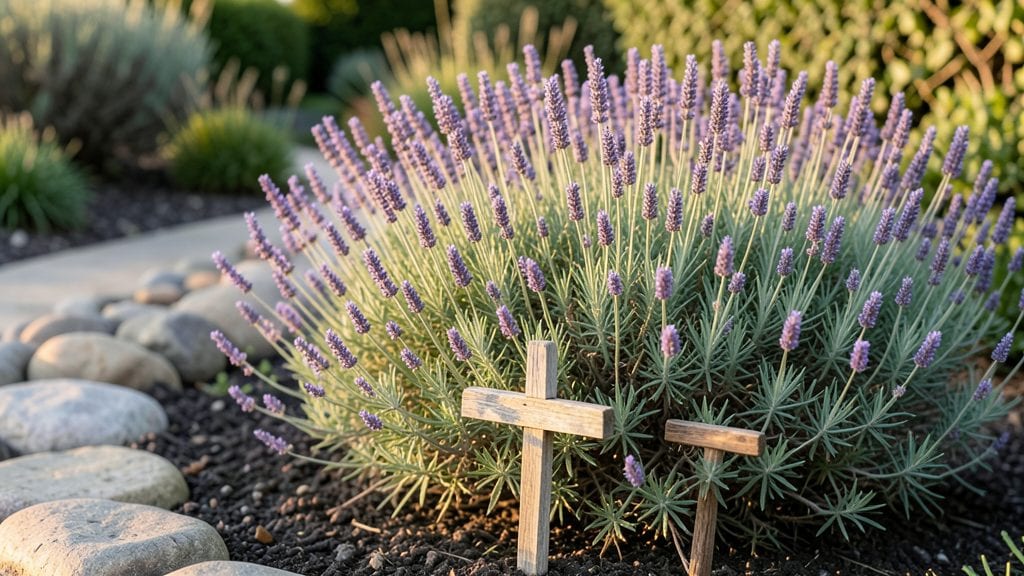
My prayer garden plans began with a simple circle of lavender, roses, and hostas—each chosen for their symbolic meanings and soothing scents that ✨ invite quiet reflection. invite stillness.
The key isn't complexity; it's intention. A single bench facing east, where morning light spills gently, becomes the heart of the space.
Start with a small area—even a 4x4-foot patch works—and focus on three layers: fragrant plants for scent, textured foliage for visual calm, and a focal point like a stone path or small fountain.
Sacred plants like rosemary (for remembrance) or sunflowers (for joy) add meaning without overwhelming the design. Most people overlook the power of negative space; let the garden breathe.
By the time you're done, you'll have a place where the rustle of leaves feels like a whispered prayer. The lavender will perfume the air, the roses will bloom season after season, and the quiet corners will hold memories of every visit.
This isn't just landscaping—it's crafting a sanctuary where peace grows alongside the plants.
Whether you're working with a backyard corner or a balcony container garden, the principles stay the same. The beauty lies in the personal touches: a favorite verse carved into a stone, a wind chime that sings in the breeze, or the quiet joy of watching hummingbirds visit your sacred blooms.
Let's make it yours.
📚 In This Guide
- What you need
- Instructions
- Tips and common mistakes
- Wrapping up and next steps
What you need
- ● Soil & Amendments: Topsoil (2–4 yards, depending on garden size)
- ● Compost (1–2 bags, for nutrient-rich soil)
- ● Organic mulch (2–3 bags, like cedar or pine)
- ● Plants & Greenery: Sacred or symbolic plants (e.g., lavender, rosemary, jasmine, or prayer plants like Maranta leuconeura)
- ● Small shrubs or trees (e.g., olive, cypress, or boxwood for structure)
- ● Ground covers (e.g., creeping thyme or clover for texture)
- ● Flowering plants (e.g., sunflowers, daisies, or marigolds for color)
- ● Hardware & Structures: Garden edging (e.g., stone, brick, or metal, 10–20 ft depending on layout)
- ● Pathway materials (e.g., gravel, stepping stones, or pavers, 5–10 sq. ft.)
- ● Bench or seating (1–2, weather-resistant wood or metal)
- ○ Wind chimes, birdbath, or small fountain (optional but recommended)
- ● Tools: Shovel and spade (1 each)
- ● Garden trowel (1)
- ● Wheelbarrow (1, for hauling soil)
- ● Pruners (1 pair)
- ● Measuring tape (1)
- ● Gloves (1 pair, durable for digging)
- ● Decorative Elements: Sacred symbols (e.g., labyrinth, mandala, or religious icons)
- ● Solar-powered lights (5–10, for evening ambiance)
- ● Wind spinner or prayer flags (for movement and symbolism)
- ● Functional Additions: Small water feature (e.g., bubbling rock or bamboo fountain)
- ● Prayer station (e.g., wooden cross, prayer bench, or altar table)
- ● Herb garden (e.g., basil, mint, or sage for ritual use)
- ● Prerequisites: Sunlight assessment (6+ hours of direct/indirect light for most plants)
- ● Water source (hose or drip irrigation system)
- ● Local climate considerations (drought-resistant plants for arid areas)
Step-by-step instructions for designing a prayer garden
Here's how to create a serene space that nurtures both plants and spirit.
🪴 Step 1: Choose a Peaceful Location and Layout
Select a quiet corner of your yard where you can sit undisturbed. A spot with natural shade from mature trees or a sheltered area near your home works beautifully. I like to start with a 4-foot by 4-foot square for my prayer garden—small enough to feel intimate but spacious enough for meaningful plant pairings.
Sketch a simple design on paper first. Include a central focal point like a small bench, stone, or fountain, surrounded by concentric circles of plants. This creates a natural flow for meditation. Avoid placing your garden where foot traffic will disturb the soil or where loud noises intrude.
🌱 Step 2: Select Plants for Spiritual Connection
Choose plants that hold symbolic meaning or have soothing qualities. Lavender, with its calming scent, is a classic choice for prayer gardens. Pair it with rosemary for remembrance or sage for purification. I also include hostas for their lush, grounding presence and white lilies for their association with peace and purity.
Consider adding a few evergreen shrubs like boxwood or juniper to provide structure and year-round greenery. These plants symbolize endurance and steadfastness, reinforcing the spiritual purpose of your garden. Avoid plants with thorns or aggressive spreaders—they can create physical barriers rather than inviting spaces.
☀️ Step 3: Prepare the Soil and Plant with Intention
Amend the soil with 2 inches of compost to improve drainage and fertility. Prayer gardens don’t need rich soil, but they do benefit from well-draining, nutrient-rich earth. I like to work the compost into the top 6 inches of soil to ensure roots have access to nutrients without becoming waterlogged.
Plant your selected species in clusters of 3-5 plants for a natural, abundant look. Start with the tallest plants at the back or north side of your garden, working toward shorter varieties in the front. Leave 12-18 inches between each plant to allow for growth and easy maintenance. As you plant, take a moment to set an intention for each grouping—perhaps healing for one area, gratitude for another.
💧 Step 4: Add Calming Elements for Meditation
Incorporate elements that enhance the spiritual atmosphere. A small stone path or stepping stones can guide visitors through the space mindfully. Add a wind chime or singing bowl to create gentle, soothing sounds. I also include a small water feature, like a bubbling stone or shallow dish, to symbolize renewal and tranquility.
Place a wooden cross, prayer flag, or simple marker at the center to serve as a focal point for reflection. Surround it with low-growing plants like creeping thyme or ajuga to frame the space without overwhelming it. Avoid clutter—keep the area unencumbered so it feels open and inviting for prayer and meditation.
⏰ Step 5: Maintain with Mindful Care
Water deeply once a week during dry spells, allowing the soil to dry slightly between waterings. Prayer gardens thrive on consistency rather than excess. I water in the early morning so the plants have time to absorb moisture before the heat of the day. Mulch with 2 inches of organic mulch to retain moisture, suppress weeds, and keep the soil cool.
Prune plants as needed to maintain their shape and encourage healthy growth. I like to trim lavender and rosemary after flowering to keep them compact and bushy. Spend a few minutes each week walking through the garden, weeding gently, and observing the space. This mindful maintenance reinforces the garden’s purpose as a place of peace and reflection.
Tips & tricks for perfect prayer garden design
Creating a sacred space requires thoughtful planning—these insights will help you craft a prayer garden that feels intentional and deeply meaningful.
Location Wisdom: When selecting your 4-foot square spot, consider the sun's path throughout the day. Morning sun on the east side creates gentle light for early meditation, while afternoon shade on the west side prevents overheating. I've found that placing prayer gardens near windows or patios—where you can see them from inside—reminds you to pause and reflect throughout the day.
Plant Pairing Strategy: The clusters of 3-5 plants mentioned in Step 3 work beautifully when you group them by height and purpose. For example, place your lavender and rosemary together in the front (12-18 inches apart) where their fragrance will be most noticeable, then step back to create depth with taller hostas and evergreens. This arrangement mirrors natural ecosystems while creating visual harmony.
Symbolic Soil Preparation: While 2 inches of compost is perfect for most prayer gardens, I've discovered that adding a handful of crushed eggshells to the top 6 inches of soil provides calcium for strong plant structures. This subtle addition reinforces the garden's connection to renewal and new beginnings—just like the shells represent potential for new life.
Maintenance Mindfulness: The once-weekly watering guideline works well, but I've found that checking soil moisture with your finger before watering helps prevent overwatering. Press your finger about an inch into the soil—if it feels dry, water deeply; if it's still moist, wait another day. This simple check transforms routine maintenance into a mindful practice that connects you with your garden's needs.
Pro Tips for Prayer Garden Plans
- Creating a sacred space requires thoughtful planning—these insights will help you craft a prayer garden that feels intentional and deeply meaningful.
- Location Wisdom: When selecting your 4-foot square spot, consider the sun's path throughout the day.
- Plant Pairing Strategy: The clusters of 3-5 plants mentioned in Step 3 work beautifully when you group them by height and purpose.
Frequently asked questions
Got questions about creating your own prayer garden? You’re not alone! Here are answers to the most common queries to help you design a space that feels truly sacred and serene.
What’s the best time of year to start a prayer garden?
The best time depends on your climate! In mild climates, spring or fall are ideal—soil is workable, and plants thrive. In harsh winters, plan for early spring or late summer to avoid frost. Pro tip: Start with perennials if you want year-round beauty with minimal replanting!
How much space do I need for a prayer garden?
A prayer garden can be as small as a 4’x4’ plot (great for patios or balconies) or expand into a full backyard sanctuary. Prioritize space for seating, pathways, and key elements like a meditation bench or water feature. Remember: Even a tiny corner with symbolic plants can feel deeply meaningful!
What if my garden gets too much sun or shade?
No worries—adjust your plant choices! For full sun (6+ hours/day), try lavender, rosemary, or sunflowers. For shade (less than 3 hours/day), opt for hostas, ferns, or caladiums. Mix native plants to ensure resilience. Troubleshooting: Mulch helps retain moisture in sunny spots and insulates roots in shade.
Can I incorporate non-plant elements like statues or wind chimes?
Many prayer gardens blend natural and symbolic elements. A small statue, cross, or Buddha figure can anchor the space, while wind chimes or solar lights add calming ambiance. Keep it simple—focus on what resonates with your faith or intention. Tip: Place reflective surfaces (like a small pond) to amplify serenity!
What’s the easiest way to maintain a low-upkeep prayer garden?
Choose drought-tolerant plants, use mulch to suppress weeds, and group plants with similar water needs. Add ground covers (like creeping thyme) to reduce mowing. A gravel pathway cuts down on mud and makes maintenance easier. Bonus: Automate watering with a drip system for hands-off care!
Wrapping up and next steps
Creating a prayer garden is more than just landscaping—it’s an act of love, intention, and connection to something greater.
Whether you’re designing a serene sanctuary for quiet reflection or a vibrant space for communal worship, the right plant pairings and thoughtful layout can transform your outdoor area into a place of healing peace. 🌿✨
Now that you’re armed with prayer garden plans, materials, and answers to common questions, the next step is simple: start small, dream big, and let your garden grow. Begin with one corner, one plant, or even a single stone—every sacred space begins with intention. Happy planting! 🌱🙏