
Tools
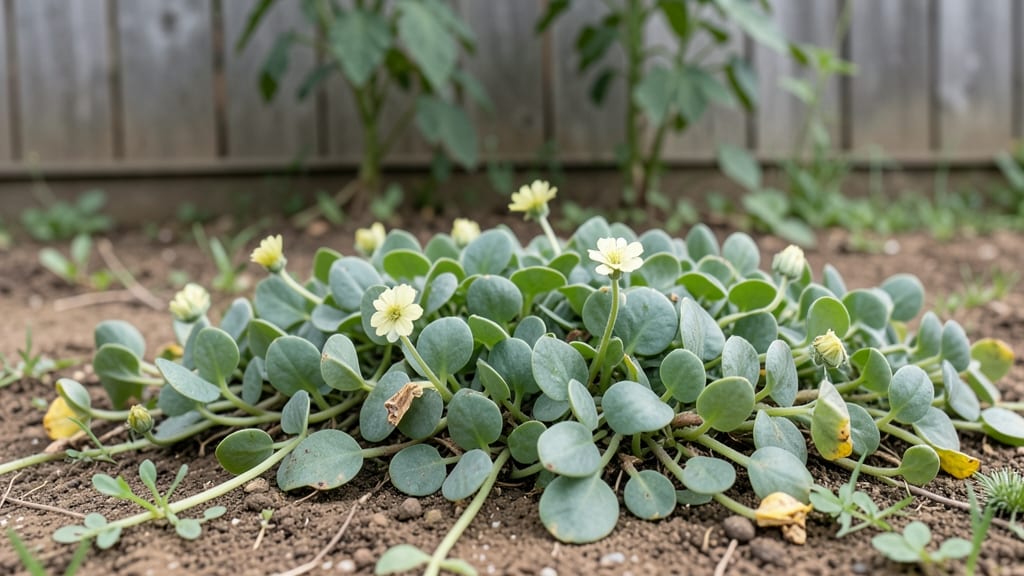
Growing purslane in your garden means you’ll have heat-loving greens that practically grow themselves while others wilt. 🌿 I’ve let this plump, tangy plant spread through my summer beds, and it’s become my go-to for drought-proof harvests—no fuss, no failure.
The secret? Purslane thrives where most vegetables give up, turning cracked soil and scorching sun into crisp, lemony leaves you can snack on straight from the garden.
You’ll need full sun (6+ hours daily) and soil that drains fast—purslane hates soggy roots. Start from seed or snip cuttings from existing plants (they root in water like weeds), then space them 6–12 inches apart if you want tidy rows.
Water deeply but infrequently—this is a plant that survives on neglect, not coddling. The first harvest comes in just 4–6 weeks, and the more you pick, the more it grows.
What you end up with is a self-replenishing crop that doubles as a living mulch, suppressing weeds while you munch. The leaves pack omega-3s and vitamins, and their bright green pads add a pop of color to containers or borders.
Plus, deer and rabbits leave it alone—unlike your prized lettuce. By late summer, you’ll be sharing clippings with neighbors who can’t believe how easy it is.
Works in USDA zones 2–11, from deserts to coastal climates, and even tolerates poor soil if it’s not waterlogged. The only downside? It spreads aggressively—so either embrace it as a ground cover or deadhead flowers to control seeds. Either way, you’ve got a zero-maintenance green machine once it’s established.
📚 In This Guide
- What you need
- Instructions
- Tips and common mistakes
- Wrapping up and next steps
What you need
- ● Seeds or seedlings: 1 packet of purslane seeds (about 100-200 seeds) or 6-12 healthy seedlings (check for plump, green stems).
- ● Well-draining soil: 5-10 lbs of a mix like 50% potting soil + 50% perlite/sand (or use garden soil amended with compost).
- ● Sunlight access: A spot with full sun (6+ hours/day) or partial shade (if in extreme heat zones).
- ● Watering can or hose: With a gentle spray nozzle for even moisture.
- ○ Containers (optional for pots): 5-6 inch diameter pots (1 per plant) or raised beds (if growing in-ground).
- ● Gloves: Lightweight gardening gloves to protect hands from prickly stems.
- ● Pruning shears: Small, sharp scissors for harvesting or trimming.
- ● Organic mulch: Straw or shredded leaves (1-2 inches thick) to retain moisture.
- ○ Fertilizer (optional): Balanced liquid fertilizer (e.g., 10-10-10) or compost tea (diluted to half-strength).
- ● Row covers: Lightweight fabric to shield seedlings from pests (if needed).
Step-by-Step instructions for growing purslane in your garden
Here's my go-to method for cultivating this heat-loving, drought-resistant green—no fuss, just delicious results.
🌱 Step 1: Choose the Perfect Planting Spot
Purslane thrives in full sun—at least 6 hours daily—so pick the warmest, sunniest corner of your garden. This plant adores heat, so avoid shady spots where it’ll stretch leggy and bitter. I always test the soil first by squeezing a handful—if it crumbles but holds shape, it’s perfect. Purslane tolerates poor soil but grows best in well-draining, slightly sandy loam.
If your soil is heavy clay, mix in 1-2 inches of coarse sand or perlite to improve drainage. The key is preventing soggy roots, which cause rot. You’ll know you’ve picked the right spot when the plants stay compact and juicy, not stretched or wilted.
🌿 Step 2: Sow Seeds or Transplant Young Plants
Sow seeds ¼ inch deep in early spring, after the last frost, or directly in the ground when soil reaches 60°F. Space seeds 6-12 inches apart—they’ll spread quickly, so give them room. I like to plant in rows or clusters for easy harvesting. Water gently but thoroughly right after sowing to settle the seeds into the soil.
If using transplants, dig holes slightly wider than the root ball and place them at the same depth they were growing before. Press soil lightly around the base to eliminate air pockets. Avoid overwatering now—purslane is drought-tolerant, and soggy soil can drown tender seedlings.
💧 Step 3: Water Deeply but Infrequently
Purslane stores water in its thick leaves, so you’ll water once a week once established—more in extreme heat or sandy soil. Water deeply, about 1 inch per week, letting moisture soak down to 2-3 inches deep. You’ll know it’s enough when the top inch of soil feels dry to the touch.
Overwatering is the biggest mistake—it causes the leaves to become watery and bland. If you see yellowing or mushy stems, cut back on water immediately. Mulch with 1-2 inches of straw or grass clippings to retain moisture and keep roots cool in scorching weather.
✂️ Step 4: Harvest and Encourage Regrowth
Start harvesting when plants reach 3-4 inches tall, cutting just above the soil line with clean scissors. This encourages bushier growth and prevents the plant from flowering, which makes leaves bitter. I harvest every 2-3 weeks for a steady supply—you’ll see new shoots sprout within 7-10 days.
To prolong the harvest, trim back leggy growth by ⅓ of the plant’s height. This redirects energy to produce more leaves instead of flowers. Purslane is a prolific grower, so expect a bountiful harvest if you keep it pruned and well-watered.
☀️ Step 5: Protect from Pests and Overheating
Purslane is generally pest-resistant, but watch for aphids or slugs in damp conditions. Handpick aphids or spray with soapy water if needed. Slugs love purslane, so I scatter crushed eggshells or coffee grounds around the base as a natural deterrent.
In extreme heat (90°F+), provide afternoon shade with a lightweight row cover or shade cloth to prevent leaf scorch. You’ll notice leaves turning pale or crispy—this is your cue to give them a break from the midday sun. With proper care, your purslane will stay lush and ready for the table all season long.
Tips & tricks for perfect purslane cultivation
A few key insights that'll help you grow lush, flavorful purslane with minimal effort.
Soil Preparation: Before planting, I always mix in a handful of compost into the soil—even though purslane is tough, it rewards you with more tender leaves when given a little extra nutrition. The 6 hours of daily sun in Step 1 is non-negotiable, but amending the soil with compost gives your plants that extra boost to stay compact and juicy.
Heat Tolerance: Purslane's love for heat means you can plant it later than most greens. Wait until soil reaches exactly 60°F before sowing—this prevents seed rot and ensures strong germination. I've planted in late May without issues, while spinach would have bolted by then.
Watering Wisdom: The once-a-week watering in Step 3 is perfect, but here's the trick: water in the early morning so leaves dry quickly. Wet foliage in afternoon heat can lead to fungal issues, even though purslane is generally disease-resistant. I always check that top inch of soil is dry before watering again.
Harvest Timing: Don't wait until plants reach 3-4 inches—start harvesting at 2 inches for the most tender leaves. The 2-3 week harvest cycle works, but I find harvesting every 10-14 days keeps plants bushier longer. Just remember to always cut just above the soil line to encourage regrowth.
Pro Tips for Purslane In Garden
- A few key insights that'll help you grow lush, flavorful purslane with minimal effort.
- Soil Preparation: Before planting, I always mix in a handful of compost into the soil—even though purslane is tough, it rewards you with more tender leaves when given a little extra nutrition.
- Heat Tolerance: Purslane's love for heat means you can plant it later than most greens.
Frequently asked questions
Got questions about growing purslane in your garden?
Here are some of the most common ones—plus quick, practical answers to help you cultivate this heat-loving succulent like a pro!
Can purslane survive in extreme heat?
Purslane is one of the most heat-tolerant greens, thriving in temperatures up to 100°F (38°C). It even goes dormant in scorching conditions and bounces back with rain or cooler weather. Just ensure it has well-draining soil to prevent root rot during intense heat waves. Pro tip: Mulch lightly to retain moisture without smothering the plant.
How long does it take for purslane to grow?
Purslane grows fast—typically reaching harvestable size in just 4–6 weeks from seed! If you’re transplanting seedlings, you’ll see edible leaves in about 3–4 weeks. For a continuous harvest, sow seeds every 2–3 weeks during warm months. Watch out: It can also spread aggressively, so contain it if you don’t want it taking over your garden!
Is purslane safe to eat raw or cooked?
Yes! Purslane is delicious both raw and cooked. Toss fresh leaves into salads for a tangy, lemony kick, or sauté them like spinach. Cooking reduces oxalates slightly, but raw purslane is still nutritious. Fun fact: It’s packed with omega-3s (more than spinach!) and vitamins A, C, and E. Just rinse thoroughly before eating to remove dirt.
What pests or diseases should I watch for with purslane?
Purslane is generally pest-resistant, but keep an eye out for aphids or cucumber beetles in crowded gardens. If leaves look chewed, blast them off with water or use neem oil. Disease-wise: Overwatering can cause fungal issues like powdery mildew, so let soil dry between waterings. Prevention tip: Space plants 6–12 inches apart for airflow.
Can I grow purslane in containers?
Yes! Purslane thrives in containers as long as the pot has drainage holes and is at least 6–8 inches deep. Use a lightweight, well-draining potting mix (like a cactus/succulent blend) and place the container in full sun. Container hack: Train it as a "living mulch" around other heat-sensitive plants to suppress weeds naturally!
Wrapping up and next steps
Growing purslane in your garden is a fantastic way to enjoy a hardy, nutrient-packed green that loves the heat—no fuss required! 🌿 Whether you're a seasoned gardener or just starting out, this succulent superstar delivers flavor, resilience, and health benefits with minimal effort.
Ready to harvest your first batch? Start small, experiment with varieties, and soon you’ll be savoring homegrown purslane in salads, stir-fries, or even as a tangy garnish!
👉 Next step: Grab a seed packet (or a few cuttings from a neighbor’s garden) and give it a try—your taste buds (and your garden) will thank you!