
Companion Plants
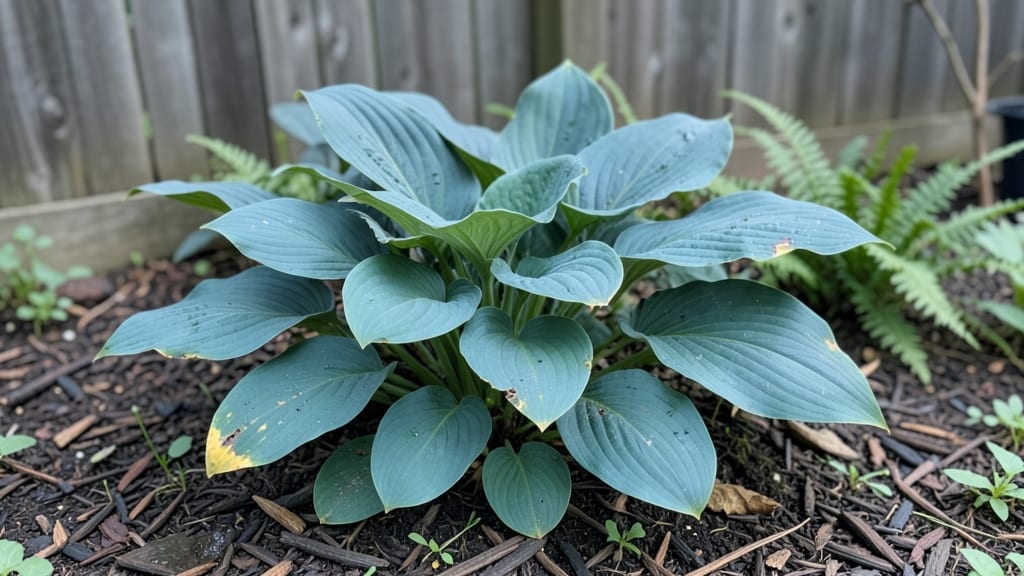
Shaded garden plants don’t mean sacrificing beauty—some varieties thrive where others fade. 🌿 I’ve turned my dimly lit backyard corner into a lush, vibrant retreat by choosing the right plants, and you can too.
The key lies in understanding which species handle low light best and how to layer them for maximum impact.
Hostas, ferns, and impatiens are classic picks, but don’t overlook edible options like spinach or lettuce. These plants grow best in partial to full shade, with some tolerating just a few hours of dappled sunlight.
The trick is mixing leafy textures—delicate ferns, broad hostas, and trailing ivy—to create depth and movement.
You’ll end up with a garden that feels alive, even in the shadiest spots. The right plants add color, interest, and even food to areas most gardeners overlook. Once you see how well they perform, you’ll wonder why you ever ignored these spaces.
Works for any yard, from city balconies to wooded backyards. Let’s get your shaded garden looking better than ever—no dim lighting required.
📚 In This Guide
- What you need
- Instructions
- Tips and common mistakes
- Wrapping up and next steps
What you need
- ● Shade-tolerant plants: 5–10 varieties (e.g., hostas, ferns, impatiens, astilbes, or heucheras). Choose based on your light conditions (deep shade vs. partial shade).
- ● High-quality potting soil: 1–2 bags (or 5–10 cubic feet of garden soil amended with compost for in-ground planting). Look for moisture-retentive blends.
- ● Organic mulch: 2–3 cubic feet (cedar, pine bark, or shredded leaves work well to retain moisture and suppress weeds).
- ● Garden gloves: 1 pair (nitrile-coated for durability).
- ● Hand trowel: 1 (5-inch stainless steel for precision digging).
- ● Watering can or hose with a gentle spray nozzle: 1 (for delicate watering without disturbing soil).
- ● Pruning shears: 1 (bypass-style for clean cuts).
- ● Measuring tape or ruler: 1 (to space plants 12–24 inches apart, depending on variety).
- ● Slow-release fertilizer: 1–2 packets (e.g., 10-10-10 or organic options like fish emulsion).
- ● Garden stakes or labels: 5–10 (to track plant names and care needs).
- ● Drip irrigation kit: 1 (for automated, consistent watering in larger shaded areas).
- ● Shade cloth (30–50% coverage): 1 roll (if your area gets variable light).
- ● Decorative stones or pebbles: 1–2 bags (for pathways or borders).
- ● Wheelbarrow or bucket: 1 (for mixing soil or hauling materials).
How to select and plant thriving shaded garden plants
Low-light spaces don’t mean giving up on lush gardens—here’s how to choose and plant the best performers.
🌱 Step 1: Choose the Right Plants for Your Shade Level
Not all shade is equal—identify whether your space gets dappled light (filtered sun through trees) or deep shade (less than 3 hours of sunlight). For dappled light, try hostas, ferns, or astilbes—they thrive with partial sun. In deep shade, heucheras, lungwort, and Japanese painted ferns shine brightest.
I always check the plant tag for light requirements—some labeled "partial shade" actually need at least 3 hours of morning sun. Planting a sun-lover in deep shade will leave you with leggy, weak growth. Stick to plants that match your space’s actual light conditions.
🌿 Step 2: Prepare Soil for Moisture-Loving Shade Plants
Shade plants often prefer rich, well-draining soil that stays moist but never soggy. Amend your garden soil with 2-3 inches of compost before planting to improve fertility and drainage. I like to mix in a handful of peat moss or coconut coir for extra moisture retention—shade gardens dry out slower, so this helps prevent waterlogged roots.
Test your soil’s moisture level by squeezing a handful—if it crumbles easily, it’s too dry. If it stays clumped, it’s too wet. Aim for a texture that holds together lightly but doesn’t stick to your fingers. This ensures roots get the consistent moisture they need without rotting.
☀️ Step 3: Plant in the Right Season for Strong Growth
Spring and early fall are the best times to plant shade-loving perennials. In spring, plants establish roots before summer heat, while fall planting gives them time to settle before winter dormancy. Avoid planting in mid-summer—the heat stresses roots, and shade plants struggle to recover.
Dig holes twice as wide as the root ball but only as deep. Place the plant so the top of the root ball sits level with the soil surface—burying too deep can suffocate stems. Water deeply right after planting to eliminate air pockets and encourage root contact with moist soil.
💧 Step 4: Water Consistently Without Overdoing It
Shade plants need steady moisture, but too much water leads to root rot. Water deeply once a week (or more often in extreme heat) until the soil is 6 inches deep and damp. I use a soaker hose to deliver water slowly at the base—this keeps leaves dry and prevents fungal issues.
Check moisture by sticking your finger 2 inches into the soil. If it feels dry, water again. If it’s still damp, wait a few days. Mulch with 2-3 inches of shredded bark to lock in moisture and suppress weeds. Just avoid piling mulch directly against stems—keep it 2 inches away to prevent rot.
✂️ Step 5: Prune and Maintain for Long-Term Health
Most shade plants need minimal pruning, but deadheading spent blooms (like on astilbes or hydrangeas) encourages more flowers. Cut back brown or damaged leaves in early spring to make room for new growth. For heucheras, I trim any leggy stems to keep the foliage compact and vibrant.
Fertilize lightly in early spring with a balanced, slow-release fertilizer (10-10-10). Too much nitrogen leads to weak stems and fewer flowers. I skip fertilizer in fall—plants need to harden off for winter. Watch for pests like slugs or aphids, which love tender shade plants, and address them early with neem oil or diatomaceous earth.
Tips & tricks for perfect shaded garden planting
Here's what nobody tells you about creating a thriving shade garden—these tricks make all the difference between a struggling patch and a lush, vibrant oasis.
Light Assessment is Everything: That 3-hour sunlight rule is critical! I've learned the hard way—planting hostas in deep shade will leave you with weak, pale foliage. Use a light meter app or observe your space over a week: mark the sunniest spots in the morning and afternoon. Dappled light plants like astilbes need at least 3 hours of filtered sun, while deep shade varieties like heucheras can handle less. Trust me, this simple step prevents years of disappointment.
Soil Prep Secrets: The 2-3 inches of compost recommendation is non-negotiable, but here's my upgrade: mix in a handful of worm castings too. They add beneficial microbes that help roots establish faster. For clay-heavy soil, I blend in perlite to improve drainage—shade plants hate soggy roots. And if your soil feels like sand, add coconut coir to help retain that precious moisture without suffocating roots.
Seasonal Timing Matters: Spring and early fall planting gives roots time to settle before extreme conditions. But here's my pro move: if you're planting in spring, do it in early spring (March-April) when soil is still cool. I've seen too many gardeners rush planting in May only to watch their shade plants wilt during summer heat. For fall planting, aim for late August-September—plants need 4-6 weeks to establish before winter.
Watering Wisdom: That once-a-week deep watering guideline works, but I've found a better method: water in the morning so leaves dry quickly and prevent fungal issues. And here's the thing about mulch—I use 3 inches of shredded bark but leave a 2-inch gap around stems to prevent rot. For extreme heat waves, I increase watering to every 3-4 days and check soil moisture at 2 inches depth—it's the only way to avoid overwatering or underwatering.
Pro Tips for Shaded Garden Plants
- Here's what nobody tells you about creating a thriving shade garden—these tricks make all the difference between a struggling patch and a lush, vibrant oasis.
- Light Assessment is Everything: That 3-hour sunlight rule is critical!
- Soil Prep Secrets: The 2-3 inches of compost recommendation is non-negotiable, but here's my upgrade: mix in a handful of worm castings too.
Frequently asked questions
What are the best fast-growing shaded plants for quick results?
If you’re eager to see greenery fast, opt for Hosta, Astilbe, or Ferns. These thrive in shade and can show noticeable growth within a few weeks. Sweet woodruff and Lungwort also spread quickly, adding texture and color early in the season. Pro tip: Plant in well-draining soil and keep them consistently moist for faster establishment.
When is the ideal time to plant shaded garden varieties?
The best times are early spring (after the last frost) or early fall (4-6 weeks before the first frost). These periods give plants time to root before extreme temperatures. Evergreens like Heuchera or Japanese Painted Fern can even handle fall planting in mild climates. Avoid planting in peak summer heat—it stresses roots!
How do I keep shaded plants from getting too wet or moldy?
Shady spots retain moisture longer, which can lead to fungal issues. Improve drainage by amending soil with compost or perlite. Space plants to allow airflow, and avoid overhead watering. Mulch (2-3 inches) helps regulate moisture and prevents soil splash. If you spot mold, prune affected leaves and treat with a fungicide if needed.
Can I grow flowers in a shaded garden, or are herbs/veggies my only option?
Shade-loving flowers like Bleeding Heart, Hydrangeas, and Impatiens thrive in low light. For herbs, try Cilantro, Parsley, or Mint—they tolerate partial shade. Leafy greens like spinach or lettuce also do well. Just avoid sun-hungry veggies like tomatoes or peppers—they’ll wilt!
What if my shaded plants look leggy or weak? How can I fix it?
Leggy growth often means your plants aren’t getting enough light. Try these fixes:
- Move them to a slightly sunnier spot (even dappled light helps).
- Prune leggy stems to encourage bushier growth.
- Fertilize with a balanced, slow-release fertilizer to support stronger stems.
- Rotate containers (if potted) to ensure even light exposure.
If the issue persists, your plant might need a more shade-tolerant variety—like Cast Iron Plant or Alocasia.
Wrapping up and next steps
Creating a lush, thriving shaded garden is easier than you think! With the right shaded garden plants, you can transform even the darkest corners into a vibrant oasis. From hardy ferns to elegant hostas, these low-light lovers will reward you with beauty and resilience—without demanding constant sun.
Ready to take the next step? Start small—pick one or two varieties that suit your space, then expand as you gain confidence. Your garden will thank you with color, texture, and life all season long! 🌿✨