Shrubs
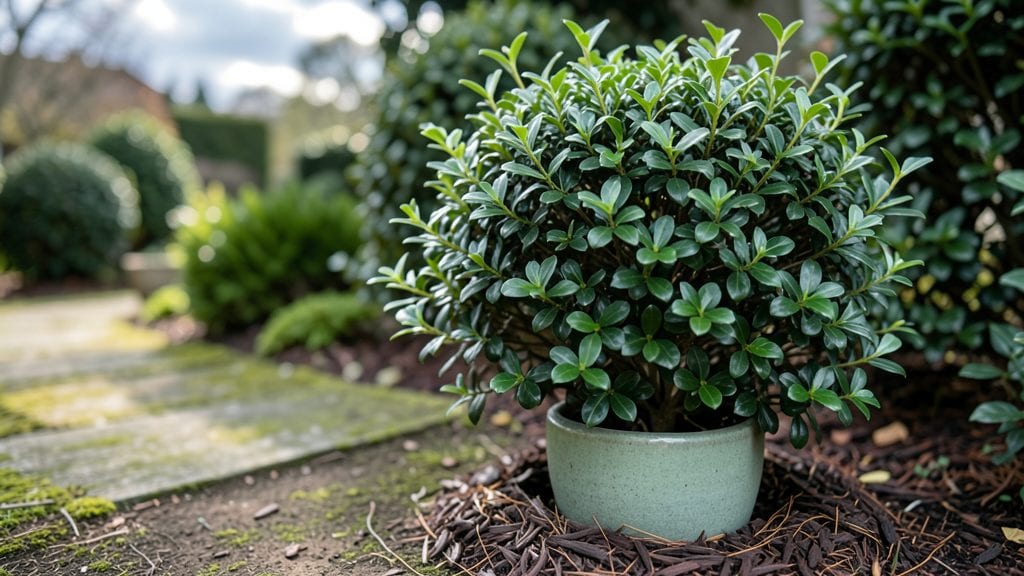
Small gardens need shrubs that deliver big impact without stealing space. I’ve turned my tiny backyard into a lush, private retreat using compact shrubs that thrive in tight spots—no compromise on beauty or function.
The key? Choosing varieties that grow narrow, stay manageable, and offer year-round interest, like dwarf lilacs or boxwoods that fit neatly in corners.
Most people assume small gardens mean sacrificing privacy or greenery, but the right shrubs solve both problems. I’ve found that 3- to 4-foot-tall varieties create effective screens when planted in tight rows, while trailing types like creeping juniper spill over edges without taking over.
Low-maintenance is a must—think drought-tolerant types that need minimal pruning and still deliver vibrant foliage or seasonal blooms.
By the end of this, you’ll have a plan that maximizes every square foot, whether you’re lining a fence, framing a patio, or softening a corner. The results? A garden that feels expansive, even in the smallest space, with layers of texture and color that keep it interesting all year.
Let’s get those shrubs placed just right.
Works for urban balconies, suburban side yards, or even container gardens—adjust spacing based on your layout. The goal is to make your small garden feel like a private sanctuary, not a cramped afterthought. Ready to transform that tight space?
📚 In This Guide
- What you need
- Instructions
- Tips and common mistakes
- Wrapping up and next steps
What you need
- ● Shrubs (3–5 plants, depending on size): Dwarf varieties (e.g., Dwarf Fothergilla, Boxwood ‘Green Velvet’, or Dwarf Lilac ‘Munchkin’) – 1–2 per 4’ of space
- ● Compact evergreens (e.g., Dwarf Yew ‘Emerald’ or Inkberry Holly) – 2–3 for year-round privacy
- ● Flowering shrubs (e.g., Abelia ‘Kaleidoscope’ or Dwarf Butterfly Bush) – 1–2 for color
- ● Soil amendments: Compost or well-rotted manure – 2–3 gallons per plant
- ● Slow-release fertilizer (e.g., 10-10-10) – 1–2 tbsp per plant
- ● Mulch: Shredded bark or pine straw – 2–3 inches, spread in a 2’ radius around each plant
- ● Tools: Trowel or small shovel
- ● Garden gloves
- ● Pruning shears (bypass type for clean cuts)
- ● Measuring tape (for spacing)
- ● Watering can or hose with a gentle spray nozzle
- ● Eco-friendly plant food (e.g., fish emulsion or seaweed extract)
- ● Decorative edging (e.g., metal or stone borders to define plant beds)
- ● Drip irrigation kit (for watering efficiency)
- ● Garden stakes or labels (to track plant names)
- ● Slow-release watering granules (for drought-prone areas)
Step-by-Step guide for selecting and planting shrubs in small gardens
Small spaces deserve just as much beauty as large gardens—here's how to choose and plant shrubs that thrive without overwhelming your yard.
Choose Compact, Multi-Season Shrubs
Look for varieties labeled "dwarf" or "compact" that mature under 4 feet tall. Boxwoods, dwarf lilacs, and Japanese spiraea stay neatly contained while offering year-round interest. I always check the mature height on the plant tag—what looks small in the nursery can grow surprisingly large.
Prioritize plants with layered foliage, like Dwarf Gardenia or Inkberry Holly, which provide texture and privacy without spreading aggressively. These shrubs also handle pruning well, so you can shape them to fit tight corners or narrow borders. Avoid fast-growing species like bamboo, which can quickly outpace your space.
Plan for Sunlight and Soil Conditions
Most small-garden shrubs thrive in full sun to partial shade, but check each variety’s needs. For example, Dwarf Hydrangeas love morning sun and afternoon shade, while Dwarf Boxwoods tolerate full sun if kept well-watered. I test soil drainage by digging a 6-inch hole—if water pools after 30 minutes, amend with compost or plant in raised beds.
Small gardens often have poor soil, so I mix 2 inches of compost into the planting hole to improve fertility. For containers, use well-draining potting mix with added perlite. Shrubs planted in containers also let you move them seasonally to optimize sunlight exposure.
Dig Holes and Plant at the Right Depth
Dig holes twice as wide as the root ball but only as deep. The top of the root ball should sit 1 inch above ground level—burying too deep suffocates roots, while planting too high stresses the plant. I loosen the roots slightly if they’re circling the pot, then place the shrub in the hole and fill with soil, pressing gently to remove air pockets.
Water deeply after planting to settle the soil and eliminate gaps. Mulch with 2 inches of shredded bark (keeping it 3 inches away from the stem) to retain moisture and suppress weeds. This step is critical—skipping mulch leads to rapid soil drying, especially in small, exposed areas.
Prune for Shape and Encourage Bushiness
Prune new shrubs lightly in early spring to remove dead wood and shape the plant. For boxwoods, I use clean, sharp shears to trim just above a leaf bud, always cutting at a 45-degree angle to encourage new growth. Avoid heavy pruning in the first year—it stresses young plants and can reduce flowering.
For flowering shrubs like Dwarf Lilacs, prune immediately after blooming to maintain shape. I prune in stages: first to remove spent flowers, then later to thin out crowded branches. This keeps the shrub compact and improves air circulation, reducing disease risk in tight spaces.
Water and Maintain Through the First Year
Water newly planted shrubs deeply once a week during the first year, ensuring moisture reaches 6 inches down. Small gardens dry out faster, so I check soil moisture by inserting a finger—if the top 2 inches feel dry, it’s time to water. Drip irrigation or soaker hoses work best to deliver water slowly without runoff.
Fertilize lightly in early spring with a balanced, slow-release fertilizer (10-10-10). Over-fertilizing small shrubs leads to rapid, weak growth that’s prone to breakage. I also monitor for pests like spider mites, which thrive in dry conditions—spraying with water weekly helps deter them naturally.
Tips & tricks for perfectly planned small garden shrubs
Transforming limited spaces into lush, private retreats starts with smart shrub selection and planting. Here are the key strategies that make all the difference in small garden success.
Selection Strategy: When choosing shrubs in Step 1, focus on the plant tag's mature height rather than its current size. Many nurseries sell dwarf varieties that can still reach 4 feet or more if not properly pruned. I always look for labels specifying "compact" or "miniature" and cross-reference with online growth charts. For example, a "dwarf" lilac might grow 3-4 feet wide if unchecked, so consider your garden's dimensions carefully before purchasing.
Soil Preparation Tip: The 30-minute drainage test in Step 2 is your best friend for avoiding waterlogged roots. If your soil fails this test, consider creating a raised bed instead of amending the entire garden area. Raised beds give you complete control over drainage and soil quality without the need for extensive digging. For containers, I recommend using a mix of 60% potting soil, 30% perlite, and 10% compost to ensure optimal drainage while retaining moisture.
Planting Depth Technique: The 1-inch above-ground rule in Step 3 is crucial for root health. I've seen many gardeners bury the root ball too deeply, which can lead to stem rot. To check your depth, use a level or simply hold the plant at eye level—when the top of the root ball aligns with your wrist, you're in the right range. For container-grown shrubs, gently tease apart any circling roots before planting to encourage outward growth.
Pruning Precision: When pruning boxwoods in Step 4, remember that the 45-degree angle isn't just about aesthetics—it's about directing water away from the cut to prevent disease. I always clean my shears with rubbing alcohol between cuts to avoid spreading any potential pathogens. For flowering shrubs, mark the branches you want to prune before making cuts to maintain a balanced shape. This visual planning prevents over-pruning and keeps your shrubs looking intentional.
Pro Tips for Shrubs Small Garden
- Transforming limited spaces into lush, private retreats starts with smart shrub selection and planting. Here are the ...
- Selection Strategy: When choosing shrubs in Step 1, focus on the plant tag's mature height rather than its current si...
- Soil Preparation Tip: The 30-minute drainage test in Step 2 is your best friend for avoiding waterlogged roots. If yo...
Frequently asked questions
Got questions about shrubs for small gardens?
You’re not alone! Here are some of the most common concerns—and straightforward answers—to help you pick the perfect greenery for your cozy space.
What are the best low-maintenance shrubs for tiny yards?
Opt for hardy, slow-growing shrubs like Dwarf Boxwood or Lavender. These thrive in tight spaces, need minimal pruning, and resist pests. Dwarf Lilac is another winner—compact, fragrant, and drought-tolerant!
How long does it take for small shrubs to grow into a privacy screen?
Most shrubs take 2–3 years to fill out enough for partial privacy. Faster options like Emerald Green Arborvitae (grows ~12" per year) can create a modest screen in 1–2 years. Patience pays off—layering shrubs of different heights speeds up coverage!
Can I plant shrubs in containers for a small garden?
Dwarf Gardenia, Creeping Thyme, or Miniature Hydrangea thrive in pots. Use large containers (15+ gallons) with drainage holes and well-draining soil. Just remember to water regularly and fertilize lightly in spring.
How do I keep pests away from my small shrubs?
Prevent pests with neem oil (spray on leaves) or diatomaceous earth for soil-dwelling critters. Encourage beneficial insects like ladybugs. Avoid overwatering—wet foliage attracts slugs. A quick wipe-down with soapy water can deter aphids too!
Do small shrubs need full sun, or can they grow in shade?
It depends! Dwarf Fothergilla and Inkberry Holly tolerate partial shade, while Lantana or Russian Sage crave full sun. Check the tag—most shrubs list ideal light conditions. Pro tip: Morning sun + afternoon shade works for many!
Wrapping up and next steps
Transforming your small garden into a lush, private retreat is easier than you think! 🌿 With the right shrubs for small gardens, you can enjoy year-round greenery, natural privacy, and a cozy atmosphere—without sacrificing space.
Whether you opt for compact evergreens, flowering beauties, or fast-growing climbers, the key is choosing plants that thrive in your climate and fit your vision.
Ready to get started? Sketch a simple layout of your garden, measure your space, and pick 2-3 shrubs that complement each other. Then, grab your gloves and dive in—your future oasis is just a few plants away! 🌱