
Vegetables
Singapore’s airport gardens prove you don’t need acres to create jaw-dropping green spaces. 🌿 The Changi Airport butterfly garden and floral displays transform concrete into a living art gallery, blending vertical gardens, water features, and native plants into a seamless urban escape.
These aren’t just pretty—they’re functional, too, offering travelers a breath of fresh air while supporting local biodiversity.
The real magic lies in how they maximize every inch. Vertical canopies draped with orchids and ferns create lush layers, while reflective pools and cascading waterfalls add movement without taking up space.
The plant palette mixes tropical staples like bird-of-paradise with delicate annuals that bloom year-round, ensuring vibrant colors even in monsoon season. It’s not about grand gestures—it’s about smart layering and intentional design.
Walking through feels like stepping into a different world, where the air smells of frangipani and the hum of bees replaces airport chatter. The gardens use height to create drama, with towering palms framing smaller displays and ground covers softening edges.
You’ll leave with a new appreciation for how urban spaces can feel alive—no matter how compact they are.
This approach works for any small space, from city balconies to courtyard gardens. The key is thinking vertically and prioritizing plants that thrive in your climate. Start with a single vertical planter or a small water feature, and watch how it transforms your corner of the world.
📚 In This Guide
- What you need
- Instructions
- Tips and common mistakes
- Wrapping up and next steps
What you need
- ● Vertical Garden System: 1–2 modular vertical planters (e.g., fabric pockets, hydroponic panels, or wooden crates). Size: Adjust based on wall space (e.g., 4’x8’ for a full wall).
- ○ Optional: Pre-drilled mounting brackets for wall/ceiling installation.
- ● Growing Medium: 2–3 bags of lightweight potting mix (e.g., coco coir + perlite blend for aeration). Quantity: ~1–2 cubic feet per planter module.
- ○ Optional: Hydroponic clay pebbles or coconut fiber for water retention.
- ● Plants: 5–10 compact, vertical-friendly veggies/herbs (e.g., cherry tomatoes, leafy greens, basil, or Thai basil). Spacing: 6–12" apart.
- ● Pro Tip: Choose blank">Singapore’s "3G" principle (Green, Grow, Guide) for resilience!
- ● Irrigation: 1 drip irrigation kit or self-watering reservoir (e.g., 1–2 gallon capacity).
- ○ Optional: Smart timer for automated watering.
- ● Tools & Extras: Pruning shears, gloves, and a small hand trowel.
- ● Waterproof sealant (if mounting outdoors).
- ○ Optional: LED grow lights (for low-light spaces).
- ● ✅ Space: A wall, fence, or trellis with at least 4 sq. ft. of vertical area.
- ● ✅ Sunlight: 4–6 hours of direct sun (south-facing ideal) or grow lights.
- ● ✅ Access: Easy water/electricity access if using hydroponics or lights.
- ● ✅ Knowledge: Basic plant care (or willingness to learn! 🌱).
Instructions: creating a compact vertical garden inspired by Singapore airport's green design
Here's how to bring Singapore's iconic airport greenery into your own space with a vertical canopy system.
🌱 Step 1: Design Your Vertical Canopy Structure
Start by sketching your space's dimensions. Singapore's airport gardens use modular, lightweight materials to create tiered layers that maximize vertical growth. For a compact setup, I recommend a 3-foot tall frame made from galvanized steel wire mesh (1-inch grid) or recycled plastic trellis panels. This gives you enough height for multiple plant layers while staying manageable.
Measure your wall space carefully—Singapore's designs often use 6-foot wide sections for visual impact. If your space is narrower, go for 3-foot wide panels instead. The key is to create a grid pattern with 12-inch spacing between vertical supports. This spacing allows for proper air circulation and easy maintenance access, just like the airport's systems.
🪴 Step 2: Install the Framework and Prepare Growing Medium
Attach your chosen framework to the wall using L-brackets and heavy-duty screws (for concrete walls) or adhesive hooks (for drywall). Singapore's airport gardens use pre-fabricated metal frames bolted to concrete, but for home use, I've found powder-coated steel brackets work perfectly—they're rust-resistant and hold up well in humid conditions.
For the growing medium, Singapore's designers use a lightweight, fast-draining mix of 50% coco coir, 30% perlite, and 20% worm castings. Fill your vertical pockets or attached planters with this mix, pressing it gently to eliminate air pockets. The airport gardens use automated irrigation systems, but for home setups, I recommend drip irrigation lines installed at the top of each pocket. This ensures even moisture distribution without overwatering.
☀️ Step 4: Select and Plant Singapore-Inspired Species
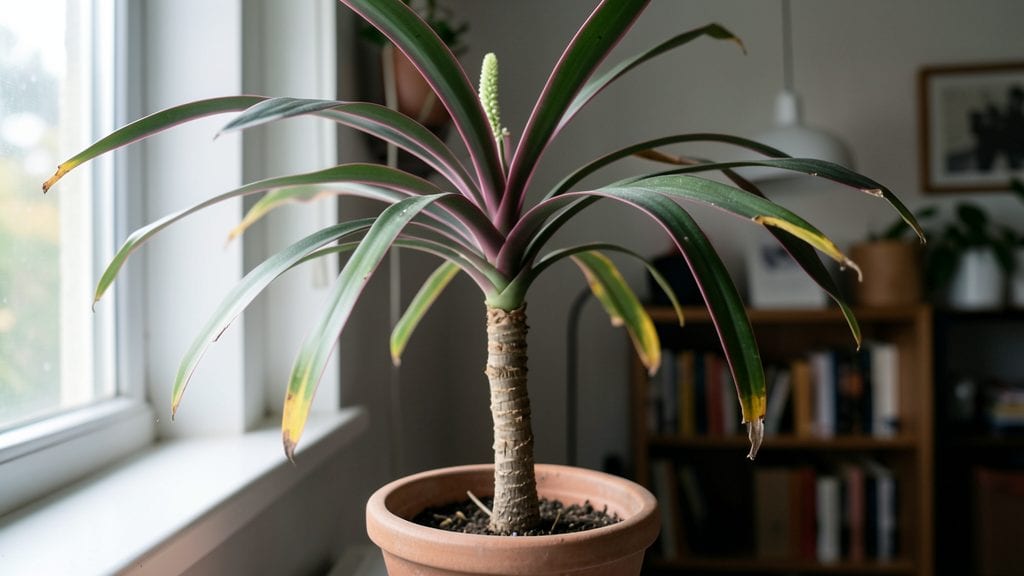
Singapore's airport gardens feature drought-tolerant, fast-growing tropical plants that thrive in indirect light. For your vertical canopy, I recommend starting with 12-inch tall plants like Dracaena marginata (dragon tree), Ficus pumila (creeping fig), and Epipremnum aureum (golden pothos). These species grow well in compact spaces and create that lush, layered look.
Plant your starter plants in the prepared pockets, spacing them 8-12 inches apart depending on their mature size. Singapore's designers use modular planting systems that allow for easy replacement of plants. For a truly airport-inspired look, consider adding orchids (like Phalaenopsis) in the upper tiers—they're a signature element of Singapore's green spaces and thrive in the slightly drier conditions of vertical gardens.
💧 Step 3: Set Up Irrigation and Lighting
Singapore's airport gardens use automated misting systems to maintain humidity, but for home setups, I've found self-watering reservoirs work best. Install a 5-gallon reservoir at the base of your vertical garden with drip lines connected to each planting pocket. This system delivers moisture directly to the roots while preventing runoff, just like the airport's sophisticated irrigation.
Place your vertical garden within 10-15 feet of a south-facing window for optimal indirect light. Singapore's airport gardens use artificial grow lights in areas with limited natural light, so if your space gets less than 4 hours of sunlight, consider adding full-spectrum LED grow lights positioned 18-24 inches above the plants. These lights should run for 12-14 hours daily to mimic the tropical conditions Singapore's plants thrive in.
✂️ Step 4: Maintain and Prune for Continuous Growth
Singapore's airport gardens maintain their lush appearance through weekly pruning and monthly fertilization. Use clean, sharp pruning shears to trim back any leggy growth, focusing on maintaining the compact, layered look. Prune just above a leaf node to encourage bushier growth—this is how Singapore's designers keep their plants dense and visually appealing.
Feed your vertical garden with a balanced liquid fertilizer (10-10-10 ratio) every 4 weeks during the growing season. Singapore's airport gardens use slow-release fertilizers embedded in the growing medium, but for home setups, I've found hydroponic nutrients work exceptionally well when mixed with water in the irrigation system. Always water thoroughly after fertilizing to prevent root burn.
Tips & tricks for perfect Singapore-inspired vertical canopy gardens
Transforming your space into a mini Singapore airport garden takes more than just assembling materials—it's about creating a thriving ecosystem that mimics the airport's iconic greenery. Here are the insights I wish I'd known before starting my own vertical canopy.
Framework Stability Matters: When installing your 3-foot tall frame, use powder-coated steel brackets for maximum stability—especially if you're mounting on drywall. I learned this the hard way when my first attempt with basic hooks sagged under the weight of mature plants. For extra security, add a horizontal support beam at the midpoint of your 6-foot wide panels to prevent any wobbling, just like the airport's reinforced systems. The 12-inch spacing between vertical supports isn't just for looks; it's what keeps your structure sturdy while allowing proper airflow.
Growing Medium Pro Tips: The 50-30-20 mix of coco coir, perlite, and worm castings is your secret weapon for Singapore-style growth. Here's what I do differently: I pre-moisten the coco coir before mixing to eliminate dry spots, and I add a handful of orchid bark (optional) for extra aeration. When filling your pockets, tap them gently on the counter to settle the mix—this prevents compaction that could strangle roots. Remember, Singapore's airport gardens use this lightweight mix to prevent waterlogging, which is why proper drainage is non-negotiable.
Lighting Strategy for Compact Spaces: Those 12-14 hours daily of grow light aren't just arbitrary—they mimic Singapore's equatorial daylight patterns. If you're using LED grow lights, position them 18-24 inches above your plants and adjust the height as they grow (closer = more intense light). I've found that full-spectrum LEDs with a color temperature of 6500K work best for replicating tropical sunlight. For the 10-15 feet of south-facing window space, place your garden where it gets morning sun and afternoon shade to prevent leaf scorch, just like the airport's carefully positioned greenery.
Plant Spacing Secrets: The 8-12 inch spacing recommendation isn't set in stone—it depends on your plants' mature sizes. For Dracaena marginata, stick to the 12-inch spacing since they grow upward, while Ficus pumila can handle the 8-inch spacing as it cascades beautifully. Pro tip: Plant your orchids in the upper tiers first—they'll establish roots while the trailing plants fill in below. This layered approach creates that signature Singapore look where no space goes to waste, and every plant has room to thrive without competing for light.
Pro Tips for Singapore Airport Gardens
- Transforming your space into a mini Singapore airport garden takes more than just assembling materials—it's about creating a thriving ecosystem that mimics the airport's iconic greenery.
- Framework Stability Matters: When installing your 3-foot tall frame, use powder-coated steel brackets for maximum stability—especially if you're mounting on drywall.
- Growing Medium Pro Tips: The 50-30-20 mix of coco coir, perlite, and worm castings is your secret weapon for Singapore-style growth.
Frequently asked questions
about Singapore Airport Gardens’ vertical vegetable canopies—here’s what you need to know!Can I visit Singapore Airport Gardens to see the vertical farms in person?
The gardens are primarily designed for operational use by Changi Airport, but you can admire them from the Jewel Changi Airport observation decks (like the Rain Vortex) or during public tours of the airport’s sustainable initiatives. Check Changi’s official events calendar for special access—sometimes they host eco-tours!
What types of vegetables grow in these vertical gardens?
The gardens focus on fast-growing, high-demand crops like leafy greens (kale, lettuce), herbs (basil, mint), and microgreens. Some trials include hydroponic strawberries and bok choy. The compact design prioritizes efficiency, so expect small-scale but high-yield harvests—perfect for airport cafés or local markets!
How long does it take to harvest vegetables from these gardens?
Most leafy greens and herbs mature in 3–6 weeks, while microgreens can be ready in just 7–14 days. The vertical system’s controlled environment (light, humidity, nutrients) speeds up growth compared to traditional farms. Pro tip: Changi’s gardens use LED grow lights for 24/7 productivity!
Are the vegetables from these gardens sold to the public?
Currently, the produce is primarily used to supply Changi Airport’s F&B outlets (like the Jewel’s Farm at Marina Bay). However, Singapore’s urban farming trend means some pilot projects do sell surplus to local grocers or food banks. Follow @ChangiAirport for updates on public access or pop-up sales!
What if my own vertical garden isn’t producing enough yield?
Start with low-maintenance crops like baby bok choy or swiss chard—they thrive in tight spaces. Troubleshoot with these checks:
- Light: Ensure 12–16 hours of LED grow light daily (no windowsill gaps!).
- Nutrients: Use balanced hydroponic solutions (avoid over-fertilizing).
- Airflow: A small fan prevents mold (aim for gentle circulation).
Still struggling? Changi’s agriculture team offers free virtual workshops—email them via their website!
Wrapping up and next steps
Singapore’s airport gardens prove that even the busiest urban spaces can bloom with creativity! By integrating vertical canopies and compact designs, these green oases transform transit hubs into thriving ecosystems—showing how sustainability meets functionality.
Whether you’re a gardener or an urban planner, this model inspires small-space innovation with big rewards.
Ready to bring this vision to life? Start small—try a vertical planter on your balcony or balcony, and watch your space (and plants!) grow. 🌱✨