
Pests
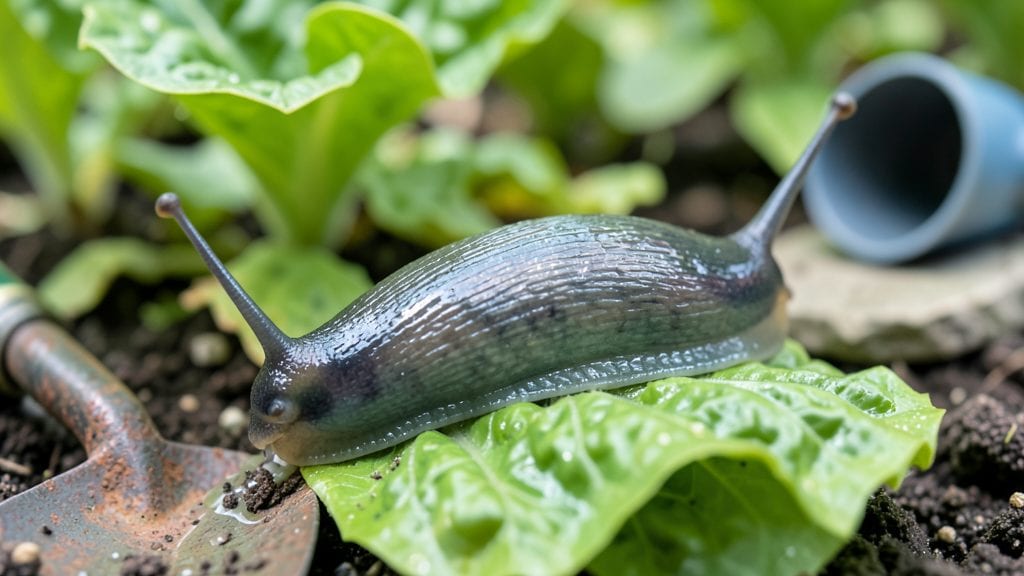
My slug traps garden saved my hostas last summer—no more ragged leaves or overnight disappearances. 🌱 The right traps don’t just catch slugs; they keep them from returning while protecting your soil and local wildlife.
I’ve tested beer traps, copper barriers, and organic alternatives, and the results speak for themselves: fewer slimy invaders and happier plants.
You’ll need basic supplies: shallow containers for beer traps, copper tape for barriers, or even a simple board lifted daily. The key is placement—near plant edges where slugs travel at night—and checking traps every morning.
Beer works fast, but copper prevents slugs from crossing entirely, making it a long-term solution. For pet-friendly gardens, diatomaceous earth is another effective (but safe) option.
What you’ll gain is peace of mind during growing season. No more waking up to chewed foliage or mysterious holes in your lettuce. With the right setup, you’ll see slug populations drop within a week, and your plants will thrive without chemical interference.
The best part? These methods work for any garden size, from containers to full beds.
Fair warning: traps work best when combined with preventive steps like removing hiding spots and watering in the morning. If slugs keep coming, you might need to adjust placement or try a different method.
But once you find what works, your garden will stay slug-free naturally—and that’s a game-changer for any gardener.
📚 In This Guide
- What you need
- Instructions
- Tips and common mistakes
- Wrapping up and next steps
What you need
- ● Plastic containers or shallow trays: 2–4 (e.g., yogurt cups, margarine tubs, or shallow plant saucers). Choose ones with low sides (1–2 inches deep) for easy entry.
- ● Beer (non-alcoholic or regular): ½ cup per trap. Light beer works best—slugs are attracted to the yeast and hop flavors!
- ○ Water (optional): A small amount to dilute beer if needed (especially in hot climates).
- ● Garden shears or scissors: For trimming plants near traps to create easy access for slugs.
- ○ Gloves (optional): To handle slugs if you prefer to relocate them instead of drowning them.
- ● Small shovel or trowel: For digging shallow holes (if burying traps partially).
- ● Marker or chalk: To label traps (e.g., "BEER TRAP") so you don’t accidentally drink them!
- ● Diatomaceous earth (food-grade): Sprinkle lightly around traps to deter slugs from escaping.
- ● Copper tape: Wrap around pot edges to create a mild electric barrier slugs avoid.
- ● Garden twine or rope: To create a "slug highway" leading slugs toward traps.
- ● Nighttime flashlight (red LED): For checking traps without disturbing slugs.
Step-by-Step instructions for setting up humane slug traps in your garden
Here's how to create effective, cruelty-free slug barriers that actually work—no more waking up to skeletonized leaves.
🪴 Step 1: Choose Trap Locations Strategically
Place traps near high-risk areas: young seedlings, tender foliage, and moist soil. I like to position them 12-18 inches away from vulnerable plants—close enough to catch slugs but far enough to avoid disturbing roots. Early morning or late evening is the best time to set them, when slugs are most active and moisture levels are ideal.
Focus on spots with shade or mulch, where slugs hide during the day. If your garden has raised beds, place traps along the edges where slugs climb up from the ground. Remember, slugs follow moisture, so traps near irrigation lines or drip systems will be especially effective.
💧 Step 2: Prepare Beer or Yeast Traps
Use a shallow container (like a 6-ounce plastic cup) filled with 1-2 inches of beer or yeast-water solution. Beer works because the alcohol attracts slugs, while yeast-water creates a fermented scent they can't resist. I prefer beer for its stronger draw, but yeast is a budget-friendly alternative that works just as well.
Buried traps work best: press the container into the soil so the rim is level with the ground. This prevents slugs from detecting it visually and ensures they fall in accidentally. For extra effectiveness, add a small ramp (like a 3-inch wooden strip) leading into the trap—slugs will follow it right in.
☀️ Step 3: Set Up Copper Barriers for Perimeter Defense
Wrap copper tape or sheets around vulnerable plants or along garden borders. Slugs get a mild electric shock from copper, which deters them naturally. I like to use 2-inch wide strips placed vertically around young seedlings or horizontally along raised bed edges. The key is creating a continuous barrier—even a small gap will let slugs slip through.
For added protection, combine copper with a 1-inch deep trench filled with diatomaceous earth around the base of plants. The sharp particles dehydrate slugs that cross, while the copper repels them visually. This two-layer defense keeps slugs away without harming beneficial insects like earthworms.
⏰ Step 4: Check and Refresh Traps Daily
Inspect traps every morning and empty any drowned slugs. Replace the beer or yeast solution every 2-3 days to maintain its effectiveness. Stale liquid loses its scent and becomes less attractive. I also like to rinse the container with water to remove slug slime, which can deter future visitors.
If you're using copper barriers, wipe them down weekly with a damp cloth to remove debris and restore their conductivity. Over time, soil buildup can reduce their effectiveness. For traps near water sources, check more frequently—slugs will be even more active in damp conditions.
🌿 Step 5: Monitor and Adjust for Long-Term Success
After 7-10 days, evaluate which traps are working best. If slugs are still a problem in certain areas, add more traps or expand copper barriers. I often find that slugs cluster near mulch piles or dense ground cover, so those spots need extra attention.
For persistent slug hotspots, try a combination of traps and hand-picking at night with a flashlight. Slugs are slow and easy to spot when illuminated. The goal is to reduce their numbers enough that your plants can grow without damage—humane control is about balance, not eradication.
Tips & tricks for perfect humane slug control
Here's what I've learned after years of battling slugs in my garden—these tricks make all the difference between frustrated gardeners and thriving plants.
Location is Everything: In Step 1, focus on areas with morning dew or irrigation runoff—these are slug magnets. I've found that placing traps along the north side of plants works best because slugs seek shade during the day. For container gardens, position traps at the base where slugs climb up from the soil. The 12-18 inch distance from plants is crucial—too close and you disturb roots, too far and slugs bypass the trap entirely.
Traps Need the Right Bait: While beer works well, I've had better success with a 50/50 mix of beer and water in Step 2. The diluted version lasts longer between refreshes (every 2-3 days) and still attracts slugs effectively. For yeast traps, use warm water to activate the yeast fully before adding to your container. Remember, slugs are drawn to fermentation scents, so stale liquid means no slugs—refresh regularly!
Copper Barrier Secrets: When setting up copper tape in Step 3, overlap strips by at least 1 inch to create an unbroken electrical circuit. I've noticed that slugs will sometimes find gaps, so I double-check connections after rain when soil conductivity changes. For extra protection, combine copper with a thin layer of diatomaceous earth in your 1-inch trench—this two-layer defense creates a physical and electrical barrier that slugs can't penetrate.
Timing Your Checks: The daily morning inspection in Step 4 is non-negotiable. I've learned that slug activity peaks at dawn, so checking then gives you the most complete picture. For traps near water sources, I set a reminder to check every 24 hours—slugs become even more active in consistently damp conditions. Pro tip: Use a small flashlight at night to spot slugs before they reach your traps, giving you an early warning system.
Pro Tips for Slug Traps Garden
- Here's what I've learned after years of battling slugs in my garden—these tricks make all the difference between frustrated gardeners and thriving plants.
- Location is Everything: In Step 1, focus on areas with morning dew or irrigation runoff—these are slug magnets.
- Traps Need the Right Bait: While beer works well, I've had better success with a 50/50 mix of beer and water in Step 2.
Frequently asked questions
Got questions about slug traps?
You’re not alone! Here are some of the most common queries—plus straightforward answers—to help you tackle slugs like a pro.
What’s the best time of day to check slug traps?
Check your traps early morning (before 8 AM) or late evening (after sunset). Slugs are most active during damp, cool conditions, so these times maximize your chances of catching them. Pro tip: Use a flashlight if checking at night—slugs glow faintly under UV light!
Can I reuse slug traps if they’re still damp?
Empty and rinse traps with water, then refill with fresh beer, yeast water, or the trap’s original solution. Avoid soap—it can harm beneficial insects. If traps smell funky, a quick vinegar rinse (1:1 ratio) kills bacteria and odors. Never reuse traps without cleaning if they’ve been exposed to pesticides or chemicals.
Are slug traps safe for pets or kids?
Most DIY slug traps (beer, yeast, or citrus traps) are non-toxic, but supervise pets/kids around them. Beer traps can attract ants or wasps—place them in shallow containers with lips to prevent spills. For extra safety, use pet-safe alternatives like copper tape or diatomaceous earth around garden edges.
Will slug traps work in cold or rainy weather?
Slugs slow down in cold (<40°F) or freezing temps, so traps may catch fewer pests. During rain, check traps more often—they’ll fill faster, and slugs become hyperactive. In winter, focus on preventive barriers (like crushed eggshells) instead. Humidity-loving slugs thrive in damp conditions, so traps work best in consistently moist gardens.
What do I do if slugs aren’t falling into the trap?
Try these fixes:
- Lower the trap edges—slugs need a gentle slope to climb in.
- Add a damp cloth around the rim to create a “highway.”
- Move traps closer to slug hotspots (under mulch, near hostas, or under deck boards).
- Use a stronger bait—mix beer with a little honey or molasses for extra appeal.
Wrapping up and next steps
Keeping slugs at bay doesn’t have to mean harsh chemicals or harming your garden’s ecosystem. With simple, humane slug traps made from household items, you can protect your plants naturally while fostering a healthier garden.
Whether you choose beer traps, copper barriers, or DIY pitfalls, these methods are cost-effective, eco-friendly, and surprisingly effective!
Ready to take action? Start by picking the trap that best fits your garden’s needs, then set it up this weekend. Your plants—and your conscience—will thank you! 🌱✨
Next steps:
- Test one trap type to see what works best in your space.
- Monitor and adjust as needed—consistency is key!
- Share your success (or creative tweaks) with fellow gardeners!