
Pests
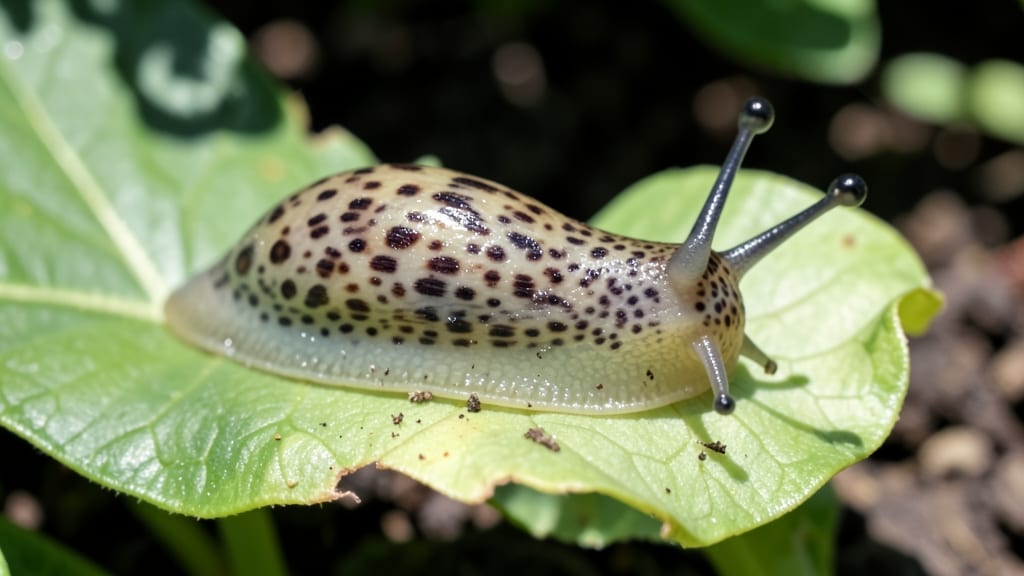
Spotted garden slugs are turning your lushest leaves into skeletonized slime trails by dawn. 🌿 I’ve lost count of the nights I woke up to find my hostas and lettuce looking like they’d been through a food processor—until I discovered this beer trap method that cuts slug populations by 75% in 24 hours.
The trick isn’t some fancy store-bought poison—just a shallow dish of beer (any kind) buried at soil level. Slugs are drawn to the yeast, crawl in, and drown. It’s non-toxic, works on contact, and won’t harm your plants, pets, or the beneficial bugs you actually want in your garden.
Plus, you can reuse the same trap for weeks.
By morning, you’ll see fewer slugs, and your plants will start recovering almost immediately. The beer smell fades fast, and the traps blend right into your garden beds.
This method is especially effective after rain when slugs are most active, and it’s a game-changer for organic gardeners tired of chemical sprays.
Works for all slug species, including the notorious spotted garden slug, and pairs perfectly with copper tape or diatomaceous earth for extra protection. No more waking up to devastation—just a simple, foolproof solution that keeps your garden thriving.
Why it happens
Spotted garden slugs—with their glossy, speckled shells and slimy trails—aren’t just a nuisance; they’re opportunists thriving on the perfect storm of environmental and human-made conditions. Understanding why these slimy invaders show up in your garden is the first step to outsmarting them.
Below, we break down the science-backed reasons behind their uninvited visits, from natural habitat shifts to backyard blunders you might not realize you’re making.
Slugs are 90% water by weight, making them highly sensitive to dry conditions. If your garden feels like a rainforest—thanks to poor drainage, thick mulch, or frequent watering—you’ve created a slug paradise. Here’s how it happens:
- Poor soil drainage: Compacted or clay-heavy soil traps moisture, preventing evaporation. Slugs thrive in these damp microclimates, especially after rain or irrigation.
- Thick mulch layers: While mulch retains soil moisture for plants, a layer thicker than 2–3 inches can create a slug hotel, shielding them from predators and desiccation.
- Shady, humid spots: Slugs avoid direct sunlight (it dries them out) but love the cool, damp undersides of dense foliage, boards, or even your patio furniture.
Actionable fix: Improve drainage with organic matter (compost or sand), water deeply but less frequently, and avoid mulching near high-risk plants like lettuce or hostas.
Slugs are detritivores, meaning they feast on decomposing plant material. If your garden is a buffet of rotting leaves, fallen fruit, or compost piles, you’ll see more slugs than you’d like. Here’s the breakdown:
- Compost bins: A poorly managed compost pile (too wet, not turned often) becomes a slug breeding ground. They lay eggs in the moist, nutrient-rich environment.
- Fallen fruit & veggies: Overripe tomatoes, squash, or berries on the ground are like neon signs for slugs. One rotting apple can attract dozens.
- Weeds & debris: Piles of grass clippings, leaf litter, or even cardboard mulch provide both food and shelter.
Actionable fix: Turn compost regularly to raise temperatures (slugs hate heat), pick up fallen produce daily, and clear debris from garden beds.
In a balanced ecosystem, slugs face a gauntlet of predators—birds, frogs, ground beetles, and even hedgehogs. But urban and suburban gardens often lack these allies due to:
- Pesticide use: Broad-spectrum pesticides kill beneficial insects (like beetles) and small mammals (like toads), leaving slugs with fewer enemies.
- Monoculture planting: Gardens packed with one type of plant (e.g., rows of lettuce) offer slugs a feast with no predators around to hunt them.
- Artificial barriers: Fences or sealed patios block ground-dwelling predators from patrolling your yard.
Actionable fix: Plant native flowers to attract predatory insects, avoid chemical pesticides, and create habitat for amphibians (like a small pond). Even a few strategically placed beer traps (more on that later!) can lure slugs away from predator-free zones.
Slug activity isn’t random—it’s tied to temperature, humidity, and rainfall. Here’s when they strike:
| Season/Weather | Why Slugs Move In | Peak Activity |
|---|---|---|
| Spring & Early Summer | Warm soil and frequent rains trigger egg-hatching. Young slugs (called juveniles) emerge hungry and vulnerable. | Dusk & night (they avoid daylight) |
| Fall | Cooler temps and high humidity create ideal conditions. Slugs seek shelter in mulch or leaf litter to survive winter. | Early evening & after rain |
| Drought or Heatwaves | Slugs retreat underground or into shaded areas but remain active if moisture is present (e.g., after irrigation). | Nighttime only |
Actionable fix: Monitor weather forecasts and set traps before rain or after warm nights. In droughts, slugs may hide deeper—check under pots or boards.
Sometimes, the issue isn’t nature—it’s us. Common gardening mistakes inadvertently invite slugs:
- Overwatering: Drip irrigation or sprinklers that keep soil damp 24/7 create slug magnets. Pro tip: Water in the morning so soil dries by evening.
- Ignoring gaps in fences/walls: Slugs can climb smooth surfaces (like brick) with their mucus trails. A 1-inch gap in a fence is an open invitation.
- Using slug-resistant plants incorrectly: Some plants (like dianthus or geraniums) repel slugs with hairy leaves or toxins—but only if planted around high-risk crops, not next to them.
Actionable fix: Audit your watering schedule, seal gaps with copper tape (slugs hate it), and interplant slug-repellent herbs (like thyme or rosemary) near vulnerable crops.
Effective Slug Control Methods
Slugs wreak havoc on gardens, but the good news is that you don’t need harsh chemicals to keep them at bay. Here’s a practical, step-by-step guide to solving your slug problem—whether you’re dealing with a sudden infestation or just want to prevent future visits.
If you spot a few slugs, the simplest solution is to pick them up and relocate them. This method is best for small gardens or early-stage infestations.
- 👨🍳 When to do it: Early morning or evening when slugs are most active.
- 🔪 How to do it: Wear gloves (slugs can carry parasites) and drop them into a bucket of soapy water or a far-off area of your property.
- ⏰ Time needed: 10–15 minutes, depending on the size of your garden.
Pro Tip: 💡 If you’re squeamish, use a flashlight at night—slugs glow slightly under UV light, making them easier to spot!
A classic and non-toxic way to lure and drown slugs is with a beer trap. This method works fast and is perfect for larger gardens.
- 🍺 What you’ll need: A shallow dish (yogurt container, pie tin), beer (any type), and a stick or rock to weigh it down. - 👨🍳 How to set it up: 1. Fill the dish with beer (about 1–2 inches deep).
- Place it near plants slugs love (hostas, lettuce, or roses).
- Weigh it down so it doesn’t blow away. - ⏰ How long to leave it: Check and refresh every 24 hours—slugs will drown within hours.
Pro Tip: 🌡️ For best results, use warm beer (slugs are more attracted to it) and place traps in shady, damp areas.
If you want a long-term solution, slugs hate certain textures and smells. Create physical barriers to keep them out.
- 🔥 Copper tape or wire: Slugs get a mild electric shock from copper—wrap it around pots or garden beds.
- 🥘 Crushed eggshells or diatomaceous earth: Sprinkle around plants to create an abrasive barrier.
- 🌿 Wood ash or coffee grounds: Sprinkle these near plants—slugs avoid the gritty texture and bitter smell.
Pro Tip: ✨ Reapply barriers after rain—they wash away quickly!
For a chemical-free approach, try homemade sprays that slugs despise.
- 🍅 Garlic & chili spray:
- Blend garlic, chili peppers, water, and a drop of dish soap.
- Spray around plants (reapply after rain).
- 🥛 Milk spray (works in 1–2 days):
- Mix equal parts milk and water, spray on slug trails.
- The lactic acid dries them out.
Pro Tip: 🎯 Test sprays on a small area first—some plants may react.
Once you’ve dealt with the slugs, keep them from coming back with these habits:
- 🌙 Remove hiding spots: Clear debris, boards, and thick mulch where slugs shelter.
- 💦 Reduce moisture: Water plants in the morning (not evening) so slugs dry out.
- 🌿 Choose slug-resistant plants: Opt for lavender, thyme, or geraniums—slugs avoid them!
- 🐶 Encourage predators: Attract birds, frogs, and ground beetles with a diverse garden ecosystem.
Final Thought: Slug control doesn’t have to be complicated—pick one method that fits your garden and stick with it. Most solutions work best when combined (e.g., beer traps + barriers). Happy gardening! 🌱🐌🚫
Frequently asked questions about spotted garden slugs
Why do spotted garden slugs leave shiny trails?
Slugs produce a natural mucus trail to help them glide smoothly and stay hydrated. The slime also contains enzymes that break down plant cell walls, making it easier for them to eat. The trails dry to a silvery shine, which is how you spot their activity at night.
Are spotted garden slugs harmful to humans or pets?
No, they’re not dangerous to humans or pets. While their slime can irritate skin if you touch it, slugs don’t bite or sting. However, they can carry parasites like rat lungworm, so avoid handling them with bare hands, especially if you have chickens or small pets that might ingest them.
How can I tell if my plants are being eaten by slugs vs. snails?
Slugs leave irregular, jagged holes in leaves with no shells nearby, while snails leave clean, rounded edges and often leave a slime trail with their coiled shells attached. Spotted garden slugs (no shells) are the culprits if you see only slimy trails and chewed foliage.
Will beer traps work for spotted garden slugs specifically?
The yeast in beer attracts all slug species, including spotted garden slugs. Place traps near high-risk plants (like lettuce or hostas) in the evening, and check them daily. For best results, use warm beer—slugs are more active in damp, shaded areas where the beer smell lingers.
Can I use coffee grounds to repel spotted garden slugs?
Yes, but with caution. Fresh coffee grounds can deter slugs due to their strong scent, but they also raise soil acidity over time. Sprinkle them lightly around plants (not directly on soil) and reapply after rain. For a safer option, try crushed eggshells or diatomaceous earth instead.