
Planting
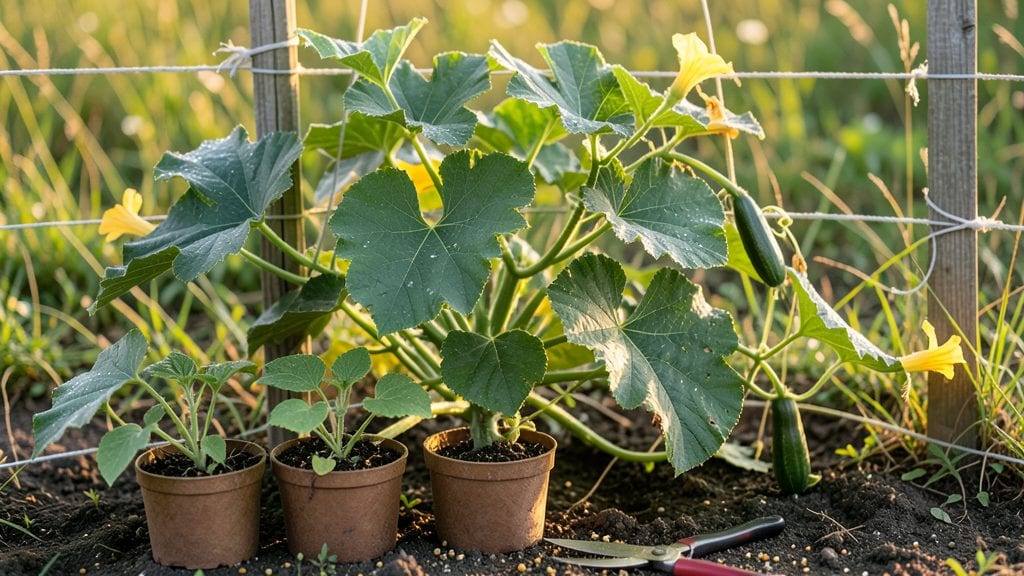
Getting the right squash spacing in your garden is the difference between a bountiful harvest and a frustrating mess of tangled vines.
Picture this: you’ve just planted your 🎃 seeds after that last frost in Zone 6a, eager for summer squash and pumpkins—but by July, your plants are fighting for space, leaves are yellowing, and pests have moved in.
Proper spacing isn’t just about fitting more plants; it’s the key to healthier growth, fewer diseases, and the biggest yields all season.
Whether you’re working with bush varieties like zucchini or sprawling types like butternut, the right layout keeps air flowing, reduces competition, and makes harvesting a breeze. Below, I’ll walk you through the exact distances, layouts, and pro tips to turn your garden into a squash powerhouse—without the chaos.
Ready to skip the guesswork? You’ll discover how to arrange your plants for maximum space efficiency, pair them with the best companions, and avoid the costly mistakes that waste your hard work.
Optimal squash spacing by variety: summer vs winter squash guidelines
Getting the spacing right for your squash plants can mean the difference between a bountiful harvest and a disease-ridden disappointment. Squash plants spread quickly, and their root systems compete aggressively for nutrients. The key is balancing air circulation with space efficiency—especially when you're working with limited garden beds.
Summer squash like zucchini and winter varieties like butternut each have unique needs, so let’s break down the science-backed spacing guidelines that will keep your plants thriving.
Proper spacing isn’t just about fitting more plants into your garden—it’s about preventing fungal diseases like powdery mildew, which thrives in crowded, humid conditions. When squash plants are too close, their leaves brush together, trapping moisture and creating the perfect breeding ground for pests.
Additionally, overcrowded plants produce smaller fruits because they’re competing for sunlight and water. By following these variety-specific guidelines, you’ll ensure your squash vines grow strong, healthy, and productive all season long.
Here’s a quick reference for the most popular squash varieties, including bush vs. vining types, to help you plan your garden layout efficiently:
| Variety | Type | Spacing (inches) | Rows Apart (feet) | Notes |
|---|---|---|---|---|
| Zucchini | Summer (bush) | 12-24 | 3-4 | Compact varieties can be spaced closer (12"). |
| Butternut | Winter (vining) | 36-48 | 4-5 | Needs trellis for support; space more if not trellised. |
| Pumpkin | Winter (vining) | 36-72 | 5-6 | Larger varieties need more space; thin seedlings early. |
| Acorn | Summer (bush) | 18-24 | 3 | Produces multiple fruits per vine; prune for airflow. |
| Spaghetti Squash | Summer (vining) | 36-48 | 4 | Long vines; trellis to save space. |
For bush-type squash like zucchini and acorn, you can often get away with tighter spacing because their vines stay more contained. However, even these varieties benefit from a little extra room—12-24 inches apart—to ensure good air circulation.
If you’re growing vining types such as butternut or pumpkin, the stakes are higher. These plants can spread 10-15 feet if left unchecked, so giving them 36-72 inches of space between plants is non-negotiable. Without this, you’ll end up with small, misshapen fruits and a higher risk of disease.
One of the biggest mistakes I see in home gardens is overestimating how much space squash plants will actually need. It’s tempting to squeeze in extra plants, but squash vines grow fast—sometimes up to 2 feet per week in ideal conditions.
If you’re working with a small garden, consider trellising vining varieties like butternut squash. This not only saves space but also improves airflow, reducing the risk of fungal infections. A simple 6-foot trellis can support multiple butternut plants in a 3-foot-wide row, cutting your spacing needs in half.
Another pro tip: Plant in hills rather than straight rows. This old-school method involves creating small mounds of soil and planting 3-4 seeds per hill, spaced about 18-24 inches apart. Hills improve drainage, reduce soil-borne diseases, and make it easier to harvest squash from the ground.
For pumpkins, which are notorious for spreading, hills are almost a requirement. Space your hills 5-6 feet apart
Creative garden layouts to maximize squash yield in small spaces
Small gardens don’t mean small harvests! With the right squash spacing and layout tricks, you can grow just as much—or more—than your space-challenged neighbors. The key is thinking vertically, pairing plants strategically, and using proven square-foot gardening techniques.
I’ve tested these methods in my own 4’x8’ raised bed, and they’ve doubled my squash production without sacrificing plant health.
One of my favorite space-saving hacks is trellising vining squash like butternut or spaghetti squash. Instead of letting vines sprawl across 6+ feet, I train them up a 3-foot trellis, freeing up ground space for bush varieties.
This method also reduces disease risk by improving airflow. For bush types like zucchini, I use companion planting with herbs and shallow-rooted veggies to maximize every inch.
- 1. Trellis Vining Varieties: Train butternut or spaghetti squash up a 3-4 ft trellis. Saves 6+ ft of ground space per plant.
- 2. Square-Foot Grid: Plant 1 squash per sq ft in a grid. Works best for bush varieties like zucchini or pattypan.
- 3. Companion Planting: Pair squash with bush beans or marigolds. Beans fix nitrogen; marigolds repel pests.
- 4. Succession Planting: Sow new seeds every 2 weeks in the same spot. Extends harvest by 4-6 weeks.
- 5. Vertical Stacking: Use tiered planters for bush types. Bottom tier: squash; middle: herbs; top: lettuce.
My square-foot gardening layout uses a simple 4x4 grid where each square foot gets one squash plant. For a 4’x4’ bed, that’s 16 plants—enough for a family of four!
I mark the grid with wooden stakes to keep rows straight, and this method works surprisingly well even for vining types if you prune aggressively. The secret? Thinning seedlings early ensures each plant gets the nutrients it needs.
Don’t overlook companion planting—it’s one of the easiest ways to boost yields. I plant bush beans between my squash hills because they fix nitrogen in the soil, feeding the squash naturally. Marigolds planted nearby deter squash bugs, while nasturtiums act as a trap crop.
This trio creates a self-sustaining micro-ecosystem that reduces my need for chemical interventions.
For urban gardeners with container gardens, large pots (at least 18” diameter) work wonders. I grow bush zucchini in 5-gallon buckets, pairing them with strawberries for a dual harvest.
The key is using a lightweight potting mix with added compost to prevent root bound conditions. Just remember: one plant per container—squash roots spread aggressively, even in pots.
Pro tip: Succession planting is my go-to for extending the harvest season. Instead of planting all my squash seeds at once, I sow new batches every 2 weeks in the same spot.
This keeps the garden productive for 6-8 weeks longer and ensures a steady supply of fresh squash. Plus, it’s a great way to experiment with different varieties without needing extra space.