
Pests
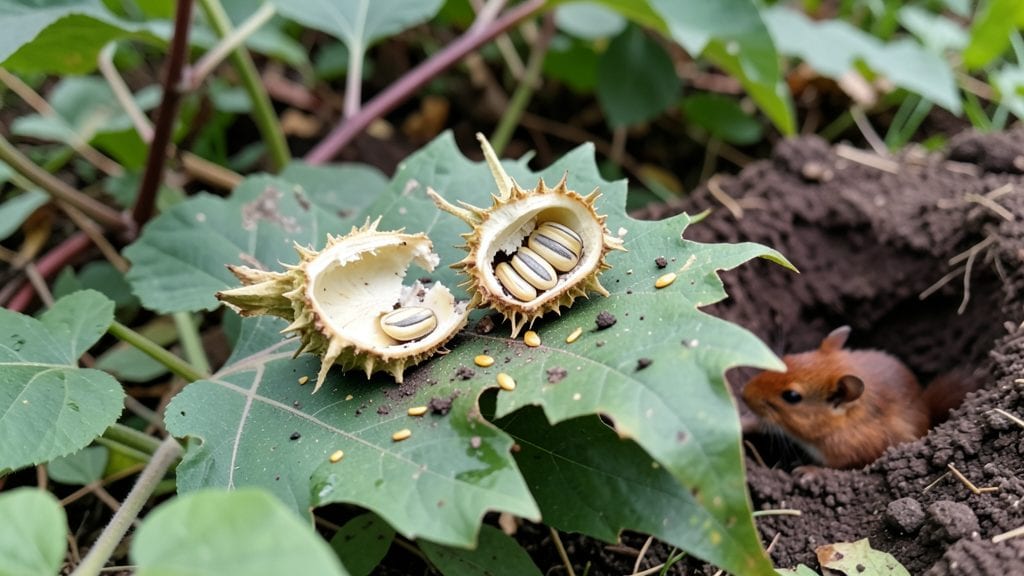
Squirrel damage in gardens isn’t just frustrating—it’s the reason my first tomato plants vanished overnight last summer. 🌱 These clever critters dig up bulbs, chew through seedling leaves, and strip bark from young trees, but the good news is you can outsmart them without harming them.
Most damage happens at dawn or dusk when squirrels forage for nuts, seeds, or easy snacks like tender shoots.
I’ve tried everything from spicy pepper sprays to motion-activated sprinklers, but the most reliable solutions combine physical barriers with habitat tweaks—like burying wire mesh around bulbs or planting squirrel-proof alternatives like daffodils.
With the right mix of deterrents, you’ll protect your garden beds without turning your yard into a warzone. Think wire cages for seedlings, tall fencing for raised beds, and even a little strategic planting to make your garden less appealing than the neighborhood oak tree.
This works for vegetable gardens, flower beds, and even container plants—no matter how determined those bushy-tailed thieves get. Let’s keep your harvest safe without the cruelty.
Root Causes Of Squirrel Garden Raids
Squirrels may seem like harmless, fuzzy forest friends, but when they invade your garden, they can wreak havoc on your hard work. Understanding why they target your plants—and how their behavior drives their destructive habits—is the first step to stopping them.
Below, we break down the science-backed reasons squirrels turn your garden into their personal buffet.
Squirrels are opportunistic omnivores, meaning they’ll eat almost anything—especially when natural food sources dwindle. In urban and suburban areas, their wild habitats shrink, forcing them to rely on human landscapes for survival.
- Seasonal Food Shortages: During late summer and early fall, nuts (their primary food source) become scarce. Gardens filled with fruits, vegetables, and even bulbs (like tulips or daffodils) become irresistible alternatives. - High-Calorie Targets: Squirrels prioritize easy, energy-rich foods.
Crops like corn, squash, berries, and newly planted flowers are prime targets because they require minimal effort to dig up or nibble. - Pro Tip: 💡 If your garden is lush with edible plants while nearby wooded areas are bare, squirrels will zero in—like a GPS-guided snack attack.
As human development encroaches on forests, squirrels lose their traditional territories. When their homes vanish, they adapt by raiding gardens for shelter and sustenance.
- Nesting Needs: Squirrels build nests (called dreys) in trees, but urban areas lack mature trees.
Instead, they burrow into garden soil, dig up bulbs for nesting material, or even chew through mulch to create cozy hiding spots. - Proximity to Food: A squirrel’s home range can span hundreds of acres in the wild, but in cities, they may only need to travel a few yards to find a garden full of easy meals. - Data Insight: 📊 Studies show that gray squirrels in suburban areas consume up to 70% of their diet from human-managed landscapes, proving they’re not just passing by—they’re strategic foragers.
Squirrels are highly intelligent, with memories that rival some primates. They remember where food is hidden, how to bypass obstacles, and even learn from each other’s mistakes.
- Trial-and-Error Learning: If a squirrel finds a weak spot in your fence, digs up a buried bulb, or chews through a trellis, it shares the intel with its colony.
Soon, your garden becomes a group effort in destruction. - Tool Use: Some squirrels modify tools (like bending wire or using sticks) to access hard-to-reach food.
If they see you planting something tasty, they’ll outsmart your defenses. - Pro Tip: 🎯 If you’ve ever set out a trap or deterrent and watched squirrels ignore it the next day, that’s their problem-solving skills at work—they’re adapting faster than you can react.
Not all plants are equal in a squirrel’s eyes. They have strong preferences based on taste, texture, and ease of access.
- Top Squirrel Targets:
- Fruits & Berries: Strawberries, raspberries, blueberries, and grapes are high-protein, high-sugar treats.
- Vegetables: Corn, peas, beans, and leafy greens (like lettuce) are easy to dig up.
- Bulbs & Tubers: Tulips, daffodils, hyacinths, and even potatoes are digging goldmines.
- Young Trees & Shrubs: Squirrels gnaw bark (a behavior called girdling) to access sap, which can kill young plants.
- Plants They Avoid:
- Strong Scents: Marigolds, daffodils (ironically, their bulbs are toxic), and alliums (like garlic and onions) deter them.
- Spiky or Prickly Textures: Roses, holly, and cacti are less appealing to chew.
- Pro Tip: 🌡️ If you’re growing high-value crops, consider planting squirrel-repellent companions nearby to create a natural barrier.
Squirrels follow a crepuscular pattern, meaning they’re most active at dawn and dusk—the same times you’re least likely to be outside.
- Peak Raiding Hours:
- Dawn (5–7 AM): They forage before humans wake up, making your garden an easy target.
- Dusk (7–9 PM): As daylight fades, they return for seconds, especially if they’ve found a reliable food source.
- Nighttime Activity: While they’re mostly diurnal, gray squirrels will venture out at night if food is abundant or predators (like owls) are present.
- Pro Tip: ⏰ Monitor your garden during these windows—you might catch them in the act and adjust deterrents accordingly.
Squirrels don’t work alone—they operate in family groups or colonies, and their behavior spreads like wildfire.
- Altruistic Foraging: If one squirrel finds a new food source, others follow the lead. This is why a single damaged plant can turn into a full-blown garden massacre overnight. - Territorial Marking: Squirrels urinate and scratch to mark their territory.
If they claim your garden as theirs, they’ll defend it aggressively—even from other squirrels. - Pro Tip: 🔥 Remove food sources quickly—lingering damage signals to the colony that your garden is fair game.
Squirrels don’t damage gardens out of malice—they’re driven by survival, intelligence, and social habits. The good news? Understanding their motives lets you outsmart them with targeted, humane deterrents. In the next section, we’ll explore natural, cruelty-free ways to protect your plants without harming these clever critters.
Quick Fixes for Garden Havoc
Squirrels may be adorable, but their digging, chewing, and foraging can turn your garden into a warzone. The good news? You don’t need harsh chemicals or cruel traps to reclaim your green space.
Below are humane, practical solutions tailored to the most common squirrel-related garden problems—plus prevention tips to keep those bushy-tailed bandits at bay for good.
Squirrels love munching on tender shoots, bulbs, and even young seedlings. If your garden looks like a salad bar for squirrels, try these fixes:
🔥 Use Physical Barriers (Without Harming Them)
- 🍳 Chicken Wire or Hardware Cloth: Wrap vulnerable plants (like tulips or hostas) with 1/4-inch mesh buried 6 inches deep to block digging.
Squirrels can’t chew through it, but it’s breathable for plants. - 👨🍳 Mesh Cages: For new plantings, create a temporary cage with wire hoops and mesh.
Remove once roots establish (usually 4–6 weeks). - 🥘 Burlap or Landscape Fabric: Lay it over freshly planted bulbs or seeds—squirrels will avoid the texture but won’t harm it.
🔪 Spice Up Their Taste Buds
Squirrels hate hot peppers, garlic, or predator scents. Try: - 🌶️ Cayenne Pepper Spray: Mix 2 tbsp cayenne + 1 tsp dish soap + 1 quart water.
Spray on plants (reapply after rain). Safe for plants, irritating for squirrels. - 🧄 Garlic Cloves: Bury a few near high-risk areas—the scent confuses them. - 🐺 Predator Urine (Fake or Real): Fox or coyote urine (available at garden stores) tricks squirrels into thinking danger lurks.
⏰ Distract & Relocate Their Interest
- 🎯 Squirrel Feeder Away from Garden: Hang a high-protein squirrel feeder (with sunflower seeds or nuts) 20+ feet from your garden.
Their focus shifts to the buffet. - 🌡️ Plant Squirrel Magnets Elsewhere: Grow walnuts, corn, or sunflowers in a separate "squirrel zone" to lure them away.
If your daffodils or tulips vanish overnight, squirrels are likely dug up and eaten. Here’s how to stop them:
🔥 Deep Planting + Barriers
- 🍳 Plant Deeper: Bury bulbs 12+ inches deep—squirrels dig only 6–8 inches down.
- 👨🍳 Wire Basket Trick: Before planting, place bulbs in a wire basket (like a tomato cage) and cover with soil. Squirrels can’t dig through the wire.
🥘 Natural Repellents for Soil
- 🌶️ Hot Pepper Granules: Sprinkle cayenne or red pepper flakes around bulb areas (reapply after rain).
- 🧄 Crushed Garlic or Onion: Scatter around the garden edge—the smell deters diggers.
✨ Motion-Activated Deterrents
- 🎯 Sprinklers: Solar-powered motion-activated sprinklers (like ScareCrow) spray when squirrels approach. The surprise scares them off without harm.
- 🔊 Ultrasonic Devices: Some gardeners swear by ultrasonic repellents (though effectiveness varies—test first).
If squirrels are raiding your fruit trees, nut crops, or harvested produce, act fast:
🔥 Netting & Covers
- 🍳 Fruit Tree Netting: Drape fine mesh netting over trees before harvest. Secure tightly so squirrels can’t chew through.
- 👨🍳 Harvest Bags: For nuts (like walnuts or pecans), use breathable bags (like Harvest Guard) to collect fallen nuts before squirrels find them.
🥘 Scatter Fake "Predator" Items
- 🐺 Fake Owls or Snakes: Place plastic predators near trees—move them weekly so squirrels don’t get wise.
- 🎯 Reflective Tape: Hang old CDs or aluminum foil strips from branches—the flashes confuse them.
⏰ Time Your Harvest
- 🌅 Early Morning Picks: Squirrels are least active at dawn. Harvest before 8 AM to beat them to the fruit.
- 🌙 Nighttime Collection: If possible, gather fallen nuts after dark when squirrels are less active.
Once you’ve secured your garden, lock in those wins with these habits:
- 🌱 Rotate Repellents: Squirrels adapt quickly.
Switch between sprays, scents, and barriers every few weeks. - 🌡️ Keep Feeders Clean: Remove fallen seeds/nuts from under feeders—leftover food = squirrel buffet. - 🌿 Maintain a "Squirrel Buffer Zone": Plant deterrent crops (like marigolds or alliums) around your garden’s edge. - 🔄 Regular Inspections: Check for new holes, chewed plants, or missing bulbs weekly.
Act fast before habits form.
- ❌ Poison Bait: Illegal in many areas and harmful to pets, kids, and other wildlife.
- ❌ Traps (Live or Kill): Humane traps require relocation (check local laws—some states ban releasing squirrels elsewhere).
- ❌ Overwatering: Squirrels love damp soil—keep irrigation consistent but not soggy.
Final Thought: Squirrels are clever but not invincible. Combine barriers, repellents, and distractions, and you’ll reclaim your garden without cruelty. Start with one or two methods, monitor what works, and adjust as needed. Before you know it, your garden will be squirrel-free—and thriving! 🌿✨
Frequently asked questions
What are the most common signs of squirrel damage in my garden?
Look for freshly dug holes around bulbs, chewed leaves with clean edges, and missing fruits or vegetables. You might also spot scattered seed casings or small piles of dirt near plants. Bark gnawing on young trees is another dead giveaway—squirrels strip bark to access sap.
Can I use pepper spray to keep squirrels away?
Yes, but opt for cayenne pepper spray (not human-grade pepper spray). Mix 2 tablespoons cayenne powder + 1 teaspoon dish soap + 1 quart water and spray on plants. Reapply after rain, as squirrels adapt quickly to scents. Avoid spraying directly on leaves if they’re edible.
Will planting daffodils really deter squirrels?
Daffodil bulbs contain lycorine, a toxin squirrels avoid. Plant them around high-risk areas like vegetable beds or bulb gardens. Bonus: Their bright blooms add beauty while keeping critters away. Just ensure the bulbs are planted 12+ inches deep to deter digging.
Are motion-activated sprinklers effective against squirrels?
Very! Solar-powered sprinklers like ScareCrow startle squirrels with sudden water bursts when they approach. Place them near problem areas, but avoid spraying edible plants. The surprise effect works best when combined with other deterrents, as squirrels may return if food is abundant.
Can I relocate squirrels instead of trying to scare them away?
Relocation is tricky and often illegal in many areas. If you must, use a humane live trap and release squirrels at least 5 miles away in a wooded area. Check local laws first—some states prohibit relocation. Permanent solutions like barriers or repellents usually work better long-term.