Pests
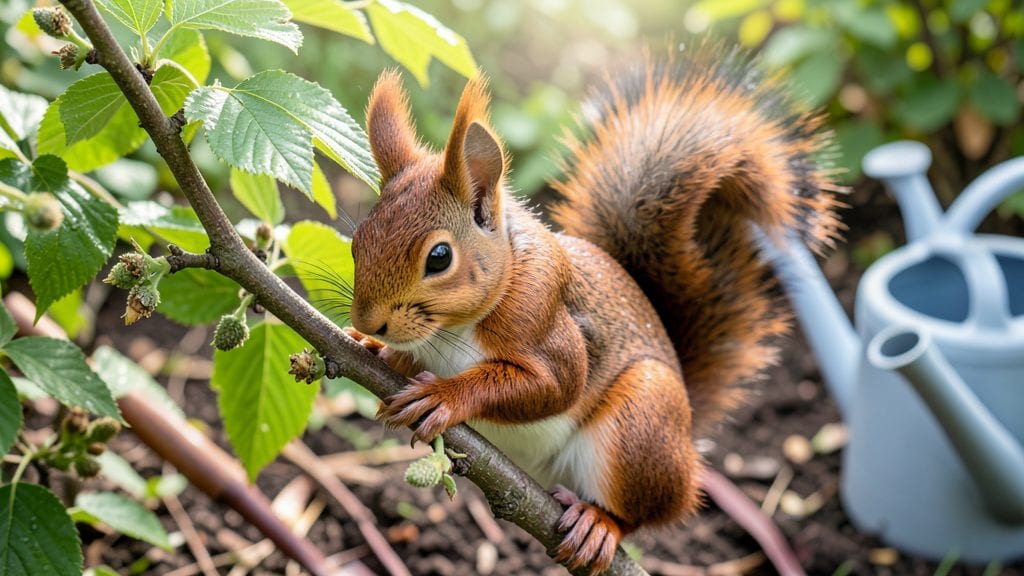
My squirrel-proof outdoor garden turned out to be the best of both worlds—plenty of wildlife charm without the acorn thefts. 🌿 I learned that squirrels aren’t pests; they’re just misunderstood neighbors with terrible manners.
The trick isn’t scaring them off but giving them what they want elsewhere while protecting your prized plants.
Start by planting squirrel magnets like sunflowers, walnuts, or corn in one corner of the yard. Then, surround your vegetable beds with simple barriers: chicken wire wrapped around raised beds or tall stakes connected with twine.
Squirrels will ignore what they can’t reach, and your tomatoes, peppers, and herbs stay safe while still sharing the space with these energetic critters.
You’ll end up with a garden that thrives with wildlife, not against it. The sunflowers grow tall and dramatic, the squirrels have their own snack bar, and your veggies get the peace they deserve. Plus, the whole setup looks intentional—no ugly fencing or chemical repellents in sight.
Works for any yard size, from urban balconies to country lots. The key is balance: give them space to explore, but keep their paws off your prize plants. Let’s make your garden a squirrel sanctuary—on their terms.
Why squirrels invade gardens
Squirrels may look like adorable, bushy-tailed forest dwellers, but when they invade your outdoor garden, they can wreak havoc on your plants, bulbs, and even young trees.
Understanding why these furry bandits target your garden is the first step to outsmarting them. Let’s break down the science—and the sneaky strategies—behind their behavior.
Squirrels are opportunistic foragers, meaning they’ll eat almost anything they can find—especially if their natural food sources (nuts, seeds, fruits) are scarce. Here’s why your garden becomes a buffet:
- Seasonal Hunger Peaks: In late summer and fall, squirrels stockpile food for winter.
If acorns, walnuts, or other wild nuts are in short supply, they’ll raid gardens for easier snacks like: - Freshly planted bulbs (tulips, daffodils, crocuses) - Young seedlings (especially beans, corn, and lettuce) - Mature fruit (strawberries, grapes, tomatoes) - Urbanization Shrinks Wild Habitats: As cities expand, squirrels lose access to forests and woodlands.
Your garden becomes a substitute wilderness, offering shelter and sustenance. - High-Calorie Crops Are Irresistible: Squirrels prefer foods rich in fats and carbs, like: -
Food Type Why They Love It Sunflower seeds High in oils (energy-dense) Peanuts Easy to dig up and carry Fruiting vegetables (peppers, squash) Soft, sweet, and water-rich Birdseed Double trouble—food for them and birds they chase
Actionable Fix: 💡 Remove temptation by harvesting crops promptly, covering soil with mulch (squirrels dislike digging through thick layers), or opting for squirrel-resistant plants like lavender, marigolds, or snapdragons (their strong scents deter them).
Squirrels aren’t just after food—they’re also nest builders.
Your garden might unknowingly offer: - Shelter from Predators: Dense shrubs, tall grasses, or overgrown areas provide hiding spots from hawks, owls, and domestic cats. - Material for Nests: Dry leaves, twigs, and even shredded bark from trees become nesting materials.
If your garden has: - Piles of leaves or wood chips - Hollow trees or dense bushes - Open compost heaps (they’ll raid for scraps and nesting material) - Proximity to Food + Shelter: Squirrels prefer areas where they can eat, hide, and breed without traveling far.
A garden with both food sources and hiding spots becomes a prime real estate.
Actionable Fix: 🌿 Prune overgrown areas, remove leaf litter piles, and seal gaps in fences or sheds where they might nest. If you have fruit trees, wrap trunks in hardware cloth to block climbing squirrels.
Squirrels are highly intelligent—they can:
- Remember locations of food sources (studies show they have spatial memory like a GPS system).
- Learn from each other (if one squirrel figures out how to steal from your bird feeder, others will copy).
- Adapt to human tricks (e.g., if you use pepper spray once, they’ll avoid it—but if it stops, they’ll return).
Why This Matters:
- They test barriers repeatedly until they find a weakness.
- They dig, climb, or chew through obstacles if they’re determined enough.
- They time their raids—often striking at dawn or dusk when you’re least likely to catch them.
Actionable Fix: 🎯 Combine multiple deterrents (e.g., spikes + motion-activated sprinklers + strong scents) to make your garden too much hassle for them. Squirrels prefer low-effort meals—if your garden requires work, they’ll move on.
During spring and early summer, squirrels are focused on survival and reproduction.
This means: - Females need extra protein (they’re nursing young), so they’ll raid gardens for high-protein snacks like: - Bird eggs (if you have a birdhouse nearby) - Insects (they’ll dig up grubs in lawns) - Young shoots (tender and nutrient-rich) - Juvenile squirrels mimic adults, learning to forage from their parents.
If mom’s successful at raiding your garden, the whole family will follow. - Territorial marking: Squirrels scratch trees and dig holes to mark territory—this can damage bark and roots.
Actionable Fix: 🌱 Protect vulnerable plants with chicken wire cages (for bulbs) or tree guards (for young trees). In breeding season, remove all easy food sources to discourage them from sticking around.
Sometimes, our own gardening habits make squirrels think our yards are all-you-can-eat buffets.
Common mistakes include: - Leaving fallen fruit or veggies on the ground (even a few grapes can lure a squirrel). - Using bird feeders (squirrels love birdseed—and they’ll smash feeders to get to it). - Planting squirrel favorites without protection (e.g., corn, sunflowers, or strawberries). - Storing compost or pet food outdoors (the smell draws them in).
Actionable Fix: 🗑️ Eliminate easy access points:
- Hang bird feeders high (10+ feet up) with squirrel baffles.
- Clean up fallen produce daily.
- Choose squirrel-deterrent plants (e.g., alliums, daffodils, or foxgloves—their toxins make them avoid these).
Squirrels don’t raid gardens willy-nilly—they’re strategic, hungry, and clever. By understanding their motivations (food, shelter, breeding), you can outsmart them with natural, long-term solutions instead of just reacting to the damage.
Next up: How to Keep Them Out Without Harming Them (coming next in the article!).
Natural Ways to Outsmart Garden Thieves
Squirrels may be adorable, but their love for digging, nibbling, and stashing your garden’s treasures can turn your outdoor oasis into a buffet. The good news? You don’t need harsh chemicals or expensive traps to keep them at bay.
With a few clever, nature-friendly strategies, you can reclaim your garden while keeping these bushy-tailed bandits happy elsewhere. Below, we’ve mapped out practical fixes for common squirrel-related garden problems, along with prevention tips to keep them from returning.
Squirrels love to uproot newly planted bulbs, tubers, or young seedlings—especially daffodils, tulips, and potatoes. Their digging can leave your garden looking like a war zone.
🔥 How to Stop It:
- 🍳 Plant Deterrent Crops Around the Perimeter Squirrels dislike the strong scent and taste of alliums (garlic, onions, chives), daffodils, and hyacinths.
Plant these in a ring around vulnerable areas to create a natural barrier. - Pro Tip: 💡 Sprinkle crushed red pepper flakes around bulbs—the spicy scent confuses them without harming plants.
- 👨🍳 Use Physical Barriers
- Chicken wire or hardware cloth (¼-inch mesh) buried 6–8 inches deep around beds prevents digging. Bend the top edges outward to stop squirrels from climbing over.
- Landscape fabric under mulch can also deter them from tunneling.
- ⏰ Set Up Decoys or Distractions
- Place fake owls or snakes near problem areas (move them weekly to avoid squirrels getting wise).
- Offer a squirrel feeder filled with nuts far away from your garden to redirect their attention.
Once your plants start sprouting, squirrels see them as a snack. They’ll gnaw on leaves, flowers, and even ripening fruits like tomatoes, berries, and peppers.
🔥 How to Stop It:
- 🍳 Protect with Netting or Cages
- Fruit trees & berry bushes: Drape fine mesh netting (like bird netting) over branches before harvest.
- Vegetable gardens: Use individual plant cages or cloche covers for seedlings.
- 🌡️ Spray Natural Repellents
- Mix water + hot pepper sauce + dish soap in a spray bottle. Reapply after rain.
- Commercial squirrel repellents (like Squirrel Stop) contain capsaicin—they’re safe for plants but unpleasant for squirrels.
- 🎯 Rotate Plant Locations Squirrels remember favorite spots. Move vulnerable plants (like squash or corn) to new areas each season to confuse them.
Squirrels cache nuts, seeds, and even stolen birdseed in your soil—only to dig them up later, damaging roots in the process.
🔥 How to Stop It:
- 🍳 Remove Food Sources
- Clean up fallen nuts, seeds, and fruits regularly.
- Store birdseed in squirrel-proof feeders (with metal cages) or hang them 10+ feet high.
- 👨🍳 Create a "Squirrel Buffet" Elsewhere
- Plant a separate "squirrel garden" with their favorites (sunflower seeds, walnuts, acorns) away from your veggies.
- Use squirrel-proof trash cans with locking lids.
- ✨ Use Motion-Activated Deterrents
- Solar-powered motion lights or ultrasonic repellents (like the Neatmaster) emit sounds that squirrels dislike.
- 🌱 Mulch Strategically: Use gravel or pine cones (squirrels dislike the texture) instead of wood chips near high-value plants.
- 🌿 Plant Squirrel-Repelling Herbs: Mint, lavender, and rosemary emit scents squirrels avoid.
- 🌙 Work at Night: Squirrels are most active at dawn/dusk—inspect gardens early to catch them in the act.
- 🐿️ Adopt a "Scare Squirrel": Some gardeners report success with domestic guinea pigs or chickens—their presence can deter wild squirrels.
By combining physical barriers, scent deterrents, and smart planting, you can enjoy a squirrel-free garden without resorting to traps or toxins. The key is consistency—squirrels are persistent, but so are these solutions! 🚀
Frequently asked questions
Are squirrels actually harmful to my garden?
Not always! While they may dig up bulbs or nibble young plants, squirrels play a role in seed dispersal and ecosystem balance. The key is redirecting their behavior—offer them alternative food sources (like sunflower seeds in a separate area) while protecting your prized plants with barriers or repellents.
What plants do squirrels love most?
Squirrels adore high-calorie foods like sunflower seeds, peanuts, corn, strawberries, and grapes. They’ll also target bulbs (tulips, daffodils) and young seedlings. Planting these away from your veggies or using protective netting can save your harvest.
Can I use pepper spray to keep squirrels away?
Yes, but opt for a homemade mix of water, hot sauce, and dish soap instead of commercial pepper spray. Spray it on plants or around garden edges—reapply after rain. Avoid spraying directly on squirrels, as it can harm them.
How do I stop squirrels from digging up my bulbs?
Use a combination of chicken wire (buried 6 inches deep) and deterrent plants like daffodils or alliums. Sprinkle crushed red pepper flakes around the area—the scent confuses them. Move bulbs to new spots each season to break their digging habits.
Will fake predators like owl statues really work?
Temporarily, yes! Place fake owls or snakes near problem areas, but move them weekly to prevent squirrels from getting wise. For better results, combine decoys with other deterrents like motion-activated sprinklers or strong scents.