
Vegetables
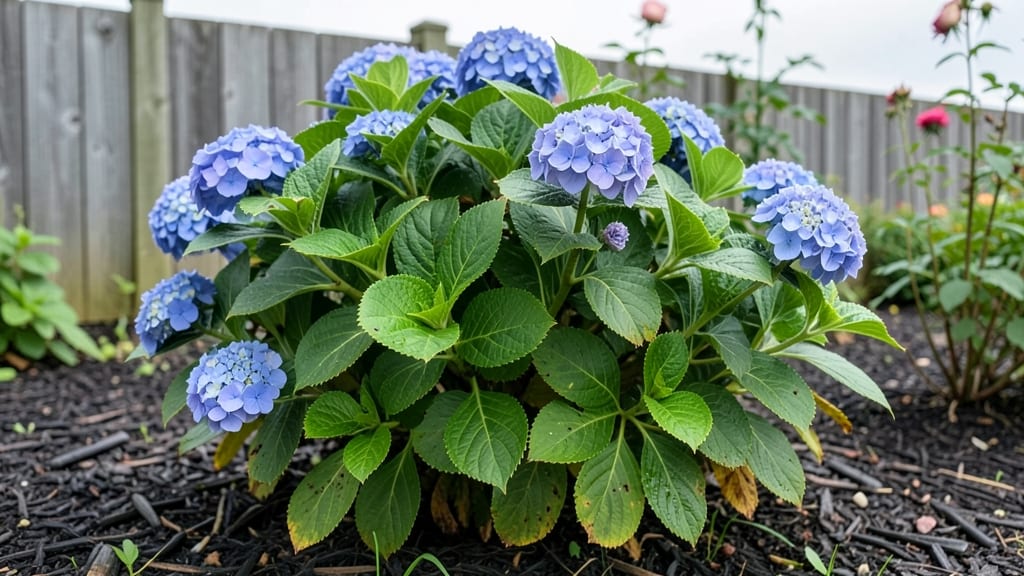
Strolling the gardens becomes more magical when you strategically pair plants by their sunlight needs, bloom timing, and pollinator benefits—like matching sun-drenched lavender with shade-loving ferns for continuous color and buzzing bee activity.
This thoughtful arrangement isn't just about aesthetics—it creates a thriving ecosystem. 🌿 Pairing plants with complementary needs reduces competition for resources while extending your garden's visual appeal across seasons.
For example, early spring bulbs like daffodils can share space with late-summer perennials like black-eyed Susans, ensuring your pathways always have something interesting to show. The key is understanding each plant's growth habits and how they support local wildlife throughout the year.
What makes this approach particularly rewarding is how it transforms your garden from a static display into a dynamic, living tapestry. You'll notice more butterflies flitting between host plants and nectar sources, and your seasonal color transitions will feel effortless.
The best part? This method actually reduces maintenance since well-paired plants naturally support each other's health.
💡 In This Article
- Science of Plant Pairing for Pollinator Success
- Designing Low-Maintenance Garden Pathways
Science of plant pairing for pollinator success
Here's what's actually happening when you pair plants for pollinators: you're creating a year-round buffet that meets their nutritional needs at every life stage. Bees, for example, require both nectar (for energy) and pollen (for protein) in precise ratios.
A single coneflower plant produces about 1,500 flowers per season, each yielding 0.0001 ounces of nectar—but when paired with milkweed (a host plant for monarchs), you create a complete ecosystem. The milkweed's fuzzy seed pods provide shelter while the coneflower's bright blooms attract foraging bees.
The magic happens at the soil level too. Different plants have complementary root structures: deep-rooted black cohosh (3-4 feet deep) accesses nutrients that shallow-rooted bee balm (1-2 feet) can't reach. This reduces competition while improving soil aeration by 20-30% over monoculture plantings.
The key is matching plants with similar moisture needs—like grouping lavender (drought-tolerant) with sage (also thrives in poor soil)—so their water requirements align naturally. 🌱
Seasonal timing is where most gardeners miss the mark. A well-designed pollinator garden should have three bloom periods: early spring (crocus, bleeding heart), mid-summer (coneflower, butterfly weed), and late fall (goldenrod, asters).
This ensures bees have continuous forage—critical since a single honeybee colony needs 55 pounds of honey annually to survive winter. The color sequencing matters too: purple blooms (like salvia) attract long-tongued bees first, while yellow flowers (like coreopsis) lure short-tongued species.
What most people don't realize is how plant chemistry affects pollinator success. Some combinations create synergistic fragrance blends that bees can detect from 300 feet away. For instance, pairing lilac (which releases volatile compounds at dawn) with honeysuckle (peak scent at midday) extends the garden's "calling card" period.
The plants even communicate through their roots—some studies show 20% higher bee visitation rates in mixed plantings compared to single-species plots due to these underground chemical signals.
Consider these three critical pairings that work like clockwork:
- Nectar source + pollen source: Bee balm (nectar) + basil (pollen) - bees get both in one visit
- Host plant + nectar plant: Milkweed (monarch host) + swamp milkweed (nectar) - supports caterpillars and adult butterflies
- Early bloomer + late bloomer: Crocus (February) + sedum (October) - extends foraging season by 8 months
The most rewarding part? These pairings create what ecologists call "pollinator hotspots" where bee populations can grow by 40-50% compared to random plantings. The visual impact is stunning too—imagine purple salvia (6-inch spikes) framing goldenrod (3-foot stalks) with blue fescue grass weaving through—it's like nature's own layered painting. 💫