
Vegetables
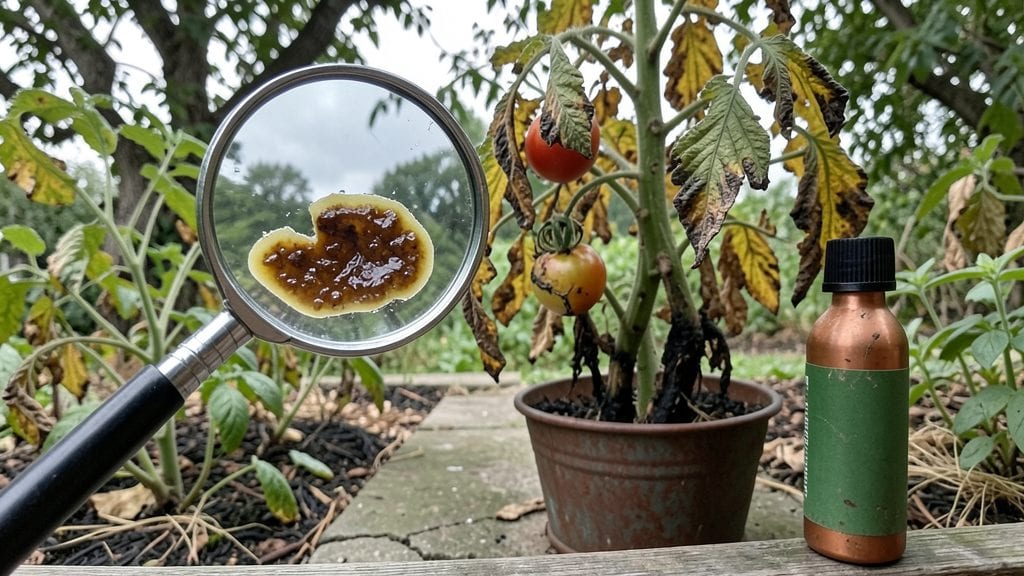
Vegetable garden fungus doesn’t have to mean losing your entire harvest. I’ve pulled out infected plants only to watch my soil stay healthy and my next crop thrive—here’s how to remove fungus without wrecking your garden’s foundation.
The key isn’t brute force but understanding which fungi are harmless, which are destructive, and how to starve them out before they spread.
Most fungal problems start with too much moisture or poor airflow—think crowded plants, overhead watering, or soil that never dries. Powdery mildew leaves white dust on leaves, blight turns stems black and mushy, and root rot smells sour when you dig.
The good news? These issues respond to simple fixes: prune for airflow, water at the base, and add compost to boost soil immunity. I’ve saved entire beds using just these three adjustments.
You’ll learn to spot early signs (yellowing leaves, odd spots) and act fast with organic sprays like neem oil or baking soda mix. The goal isn’t to kill all fungi—some are good—but to tip the balance back toward your plants.
By the end, you’ll have a garden where fungi work with you, not against you, and your soil stays rich and ready for next season’s planting.
Works for home gardens, raised beds, or containers—no matter your setup, these methods keep your vegetables healthy while protecting the soil that feeds them. Let’s get your garden back in harmony.
Root Causes Of Fungal Growth
Fungal outbreaks in your vegetable garden aren’t just random bad luck—they’re often the result of specific conditions that fungi love to exploit. Understanding these triggers is the first step to stopping them before they spread.
Below, we break down the three primary reasons fungi take over your garden, complete with the science behind each cause and actionable insights to prevent them.
Fungi thrive in wet, humid environments because their spores need moisture to germinate and spread. If your garden stays soggy for too long, you’re essentially creating a fungal buffet. Here’s why:
- Oxygen Deprivation: Overly wet soil reduces oxygen levels, weakening plant roots and making them easier targets for fungal pathogens like Phytophthora or Pythium. - Spores Love Dampness: Many fungi (e.g., Botrytis cinerea, which causes gray mold) release spores that cling to damp surfaces—leaves, soil, or even tools—waiting for the perfect moment to infect. - Slow Drying: Clay-heavy or compacted soil holds moisture longer, giving fungi more time to colonize.
Even well-draining soil can become a problem if water pools after heavy rain or overwatering.
💡 Pro Tip: Test your soil’s drainage by digging a hole, filling it with water, and timing how long it takes to drain. If it’s slower than 4–6 hours, amend with compost or coarse sand to improve aeration.
Plants under stress—whether from nutrient deficiencies, physical damage, or competition—produce sugars and weakened tissues that fungi crave. Think of it like an open wound: fungi are the opportunistic bandits of the garden world.
- Poor Air Circulation: Dense plantings or tall, leafy crops (like tomatoes or basil) block airflow, creating microclimates with high humidity. Fungi like Alternaria and Septoria flourish in these conditions. - Nutrient Imbalance: Plants starving for nitrogen, phosphorus, or potassium (key for cell wall strength) become vulnerable.
Fungi exploit these weaknesses to invade roots, stems, or leaves. - Physical Damage: Broken stems, insect bites, or even hail can create entry points for fungi. For example, Sclerotinia (white mold) often attacks through wounds in lettuce or beans.
✨ Actionable Fix: Space plants according to their mature size (check seed packets!), prune lower leaves for airflow, and mulch with straw (not thick layers of wood chips, which can trap moisture).
Fungi aren’t picky—they just need the right temperature range and a steady supply of decaying organic matter to feed on. Here’s how your garden might be inadvertently feeding them:
- Warm, Stagnant Conditions: Most fungi grow best between 60–85°F (15–30°C).
If your garden sits in a hot, shaded spot with little airflow, you’re creating a fungal incubator. - Dead Plant Material: Leaving fallen leaves, old crop residues, or unremoved infected plants provides a food source and shelter for fungal spores.
For example, Rhizoctonia (which causes damping-off) overwinters in old mulch or compost. - Improper Composting: While compost is great for soil, partially decomposed material can still harbor fungal spores. If you’re reusing compost from last year’s infected plants, you might be reintroducing the problem.
🔥 Quick Solution: Remove all plant debris at the end of the season, solarize soil (cover with clear plastic for 4–6 weeks in summer to heat-kill pathogens), and avoid over-mulching in humid climates.
📊 Key Takeaway: Fungal growth is rarely a mystery—it’s usually a combination of too much moisture, stressed plants, and the right conditions. By addressing these three root causes, you’ll disrupt the fungal life cycle before it starts.
Next up: How to Remove Fungi Without Harming Your Soil (coming soon!).
Quick Fixes for Garden Fungus
Fungal issues in your vegetable garden don’t have to spell disaster—with the right approach, you can restore balance without harming your soil or plants. Below are practical, humane solutions tailored to common causes, from overwatering to poor airflow. Each fix includes prevention tips to keep your garden thriving long-term.
Fix: Adjust your watering habits and improve soil structure.
- Step 1: Water deeply but less frequently—aim for 1–1.5 inches per week (including rain). Use a rain gauge or tuna can to measure.
- Step 2: Water early in the day (before 10 AM) to allow foliage to dry, reducing fungal spores’ chance to spread.
- Step 3: Amend heavy clay soil with compost or sand to improve drainage. Mix in 1–2 inches of organic matter annually.
- Step 4: For containers, ensure pots have drainage holes and elevate them slightly to prevent soggy roots.
💡 Prevention Tip: Mulch with straw or wood chips (2–3 inches deep) to regulate moisture and block spore-splashing from soil.
Fix: Boost airflow and prune strategically.
- Step 1: Space plants properly—follow seed packet guidelines for mature plant width (e.g., tomatoes need 18–24 inches apart).
- Step 2: Prune lower leaves (especially on tomatoes and peppers) to improve airflow. Remove yellow or diseased leaves immediately—don’t compost them!
- Step 3: Avoid overhead watering—use a soaker hose or drip irrigation to keep leaves dry.
- Step 4: If humidity is high, fan leaves gently with a handheld fan for 10 minutes daily (especially for greenhouse or indoor gardens).
🔥 Pro Tip: Plant fungus-resistant varieties like ‘Defiant PhR’ tomatoes or ‘Alliance’ peppers to reduce risk.
Fix: Create a cooler, drier microclimate.
- Step 1: Shade cloth (30–50%) can reduce heat stress and lower humidity around plants.
- Step 2: Rotate crops annually to prevent fungal buildup in the same soil.
- Step 3: Avoid nighttime watering—fungi thrive in damp evening air.
- Step 4: Reflective mulch (like silver plastic) can deflect sunlight and reduce heat near soil level.
✨ Bonus: Interplant with fungus-repelling herbs like thyme, rosemary, or garlic to deter spores naturally.
Fix: Sanitize and rebuild soil health.
- Step 1: Disinfect tools with 1 part bleach to 9 parts water or 70% rubbing alcohol. Rinse and dry between uses.
- Step 2: Remove and destroy infected plants (do not compost them—bag and trash instead).
- Step 3: Solarize soil (if severe): Cover beds with clear plastic for 4–6 weeks in summer to bake out pathogens.
- Step 4: Boost beneficial microbes with compost tea or mycorrhizal fungi (available at garden centers).
🎯 Prevention Tip: Crop rotation—don’t plant the same family (e.g., nightshades like tomatoes/peppers) in the same spot for 3+ years.
If spores are already spreading, try these non-toxic sprays (apply in early morning or late afternoon):
| Fungus Type | DIY Spray Recipe | Frequency |
|---|---|---|
| Powdery Mildew | 1 tbsp baking soda + 1 tsp soap + 1 gallon water | Every 7–10 days |
| Early Blight | 1 tbsp neem oil + 1 tsp horticultural oil + 1 gallon water | Weekly until cured |
| Damping Off | 1 cup plain yogurt + 1 gallon water | Every 5 days (for seedlings) |
| General Fungus | 1 tbsp copper fungicide (organic) + 1 gallon water | Every 10–14 days |
⚠️ Warning: Always test sprays on a few leaves first—some plants (like basil) are sensitive to oils.
- 🔄 Compost regularly—healthy soil = stronger plants that resist fungus.
- 🐝 Encourage pollinators (bees, ladybugs) to improve plant resilience.
- 🌿 Plant cover crops like clover or vetch in off-seasons to outcompete fungi.
By tackling the root cause (literally!) and adjusting care habits, your vegetable garden can bounce back—without harsh chemicals. Start with one fix, monitor progress, and scale up as needed. Happy (fungus-free) gardening! 🌱💚
Frequently asked questions
Can I still use soil from my infected garden after treating the fungus?
Yes, but you’ll need to sterilize it first. Solarize the soil by covering it with clear plastic for 4-6 weeks during hot weather to kill remaining spores. Alternatively, mix in composted manure or aged compost to rebuild beneficial microbes and dilute pathogens. Avoid reusing soil where you’ve had severe root rot without treatment.
What’s the fastest way to stop powdery mildew from spreading?
Prune infected leaves immediately and remove them from the garden (don’t compost them). Then spray with a baking soda solution (1 tbsp baking soda + 1 tsp soap per gallon of water) every 7-10 days until the problem clears. For severe cases, add neem oil (1 tsp per gallon) to the mix. Always spray in the early morning so leaves dry quickly.
Are there any vegetables more resistant to fungal diseases?
Leafy greens like kale or Swiss chard handle humidity better than lettuce. For nightshades, try ‘Defiant PhR’ tomatoes or ‘Alliance’ peppers, bred for disease resistance. Root vegetables like carrots and radishes are also less prone to fungal issues since they grow below soil level. Always check seed packets for disease-resistant varieties.
Will fungicides harm my compost pile or beneficial insects?
Chemical fungicides can disrupt your compost’s microbial balance and harm bees, ladybugs, and other pollinators. Stick to organic options like copper fungicide (used sparingly) or DIY sprays (neem oil, baking soda). For compost safety, keep infected plant material out of your pile—compost only healthy plant debris and maintain 1:3 carbon-to-nitrogen ratio to prevent fungal buildup.
How do I know if my fungus problem is actually a bacterial infection?
Fungal infections often show powdery growths, fuzzy spots, or mold-like textures, while bacterial issues appear as watery, oozing lesions (especially on leaves) or blackened, mushy stems. Fungi also thrive in damp conditions, while bacteria spread faster in warm, wet weather. If in doubt, check for yellow halos around spots—common in bacterial infections like Erwinia.