
Companion Plants
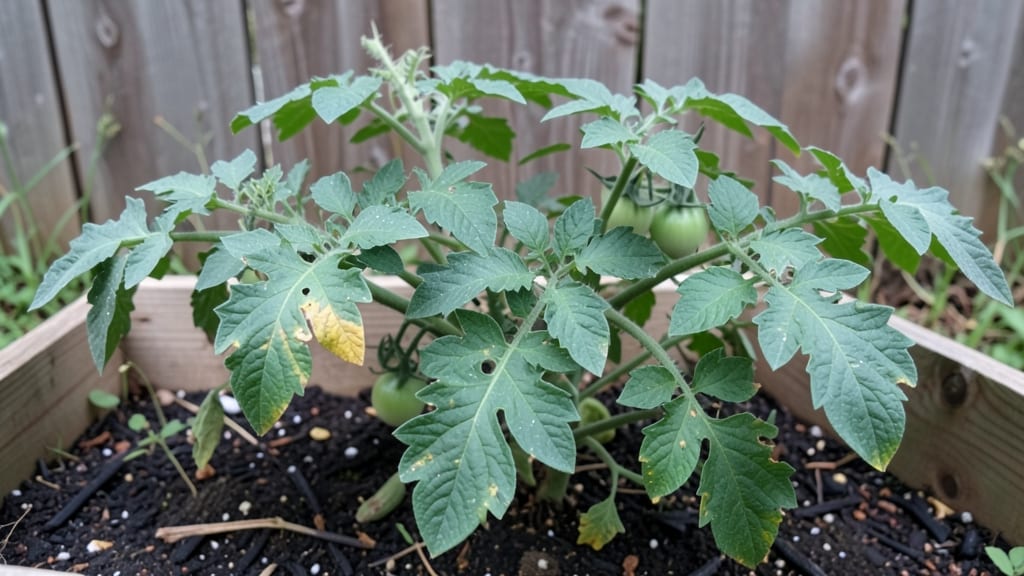
Victory garden plants aren’t just about feeding your family—they’re about reclaiming space, growing resilience, and turning even a tiny balcony into a lush, productive oasis. 🌱 I still remember the first time I planted a 10-square-foot patch of heirloom tomatoes and bush beans, and within weeks, my neighbors were asking where I got my "secret garden."
The beauty of this approach is that you don’t need a backyard or decades of experience. Traditional crops like potatoes, carrots, and lettuce thrive in containers, while herbs like basil and thyme squeeze into window boxes.
Flowers like marigolds and nasturtiums double as pest deterrents and pollinator magnets—because even a victory garden needs allies. The key is stacking plants vertically (trellises for beans, hanging baskets for strawberries) and choosing compact varieties that deliver big harvests in small spaces.
By summer’s end, you’ll have a garden that feeds you, saves money, and feels like a triumph every time you pull a fresh carrot or snip a sprig of cilantro.
The best part? This isn’t just gardening—it’s a movement. Start small, think vertically, and watch how quickly your space transforms into a thriving, self-sufficient haven.
Whether you’re in an apartment, a suburban yard, or a community plot, the principles stay the same: right plants, right space, right timing. Let’s get growing—your future self (and your dinner plate) will thank you.
📚 In This Guide
- What you need
- Instructions
- Tips and common mistakes
- Wrapping up and next steps
What you need
- ● Containers or Growing Space: 5–10 gallon pots (for herbs, greens, and compact veggies like lettuce or radishes)
- ● Raised beds (4’x8’ or smaller, with drainage holes)
- ● Vertical planters (wall-mounted or trellis systems for climbing plants like beans or peas)
- ● Soil & Amendments: High-quality potting mix (sterile, well-draining; 10–20 bags depending on space)
- ● Compost or organic fertilizer (5–10 lbs for nutrient boost)
- ● Slow-release fertilizer (like osmocote; 1–2 lbs per season)
- ● Seeds or Seedlings: Fast-growing victory garden plants (e.g., lettuce, spinach, radishes, green onions, cherry tomatoes)
- ● Climbing varieties (e.g., pole beans, cucumbers; 3–5 plants per trellis)
- ● Herbs (basil, cilantro, parsley; 1–2 plants per pot)
- ● Trowel or small hand shovel
- ● Garden gloves (1 pair)
- ● Watering can or hose with adjustable nozzle
- ● Pruners (for trimming herbs/veggies)
- ● Measuring tape or ruler (for spacing plants)
- ● Drip irrigation kit (for consistent watering)
- ● Mulch (straw or shredded leaves to retain moisture)
- ● Grow lights (LED, 12–16 hours/day for indoor setups)
- ● Plant markers (to track varieties)
- ● Companion plant guides (e.g., marigolds to deter pests)
How to select and plant victory garden staples for year-round yields
Compact spaces can produce more than you’d expect—here’s how to choose and grow the most productive plants.
🌱 Step 1: Choose 4 Core Plants for Continuous Harvests
For a year-round victory garden, focus on plants with staggered maturity times and complementary growth habits. I always include leafy greens (like kale or spinach) for quick harvests, root crops (such as carrots or radishes) for storage potential, herbs (basil or parsley) for culinary flexibility, and compact fruiting plants (bush beans or dwarf tomatoes) for high-yield space efficiency.
Prioritize fast-maturing varieties—these minimize gaps in production. For example, radishes mature in 25-30 days, while bush beans take 50-60 days. Plant them in succession so you’re always harvesting something. Avoid sprawling vines like indeterminate cucumbers unless you have vertical space; they’ll crowd smaller plants.
🪴 Step 2: Optimize Containers for Space and Drainage
Use 5-gallon buckets, deep window boxes, or raised beds to maximize root space without sprawl. Each container should have at least 6 inches of soil depth for roots to establish. I drill extra drainage holes in the bottom of buckets to prevent soggy soil—waterlogged roots lead to rot, especially in dense clay soils.
Fill containers with sterile potting mix (never garden soil—it compacts and suffocates roots). Mix in compost or worm castings for nutrients, but avoid fresh manure, which can burn tender seedlings. Label each container with the plant type and planting date; without labels, you’ll forget which crop needs thinning or harvesting soonest.
☀️ Step 3: Time Plantings for Overlapping Harvest Windows
Stagger plantings every 2-3 weeks to ensure continuous harvests. For example, sow spinach in early spring, then again in late summer for a fall crop. Radishes and lettuce thrive in cool weather, while bush beans and Swiss chard prefer warmer temperatures. Use a planting calendar tailored to your climate zone to align sowing dates with frost risks.
Watch for first true leaves (not the initial seed leaves) to confirm germination success. If seedlings emerge unevenly, thin to 2-3 inches apart for leafy greens or 4-6 inches apart for fruiting plants. Overcrowding stresses plants and invites pests—don’t skip this step, even if it means sacrificing a few seedlings.
💧 Step 4: Water and Fertilize for Compact Growth
Water deeply every 2-3 days until the top inch of soil feels dry. Shallow watering encourages shallow roots, which struggle in containers. Use a moisture meter or stick your finger into the soil to check—if it’s damp below the surface, wait another day. Drip irrigation or self-watering pots help maintain consistency, especially in hot weather.
Fertilize lightly with a balanced, water-soluble fertilizer (10-10-10) every 4-6 weeks after planting. Too much nitrogen promotes leafy growth at the expense of fruits or roots. For example, bush beans need phosphorus-heavy fertilizer (5-10-10) to encourage pod development. Always water before and after fertilizing to prevent root burn.
✂️ Step 5: Prune and Harvest Strategically
Harvest leafy greens by cutting outer leaves to encourage regrowth. For bush beans, pick pods when they’re firm and fully colored—waiting too long reduces yield. Prune herbs like basil by pinching back the top sets of leaves to promote bushier growth. Regular harvesting prevents bolting (flowering prematurely) and keeps plants productive.
Remove spent plants immediately to reduce disease risk and free up space for succession crops. For example, after harvesting spring radishes, replant the same spot with summer lettuce or green onions. Rotate crops annually to prevent soil depletion, even in containers—just move the containers to a new location each season.
Tips & tricks for perfect year-round victory garden planting
Transforming small spaces into productive gardens requires strategic planning—and a few insider tricks to maximize yields. Here's what I've learned after years of perfecting compact victory gardens.
Plant Selection Strategy: In Step 1, when choosing your core plants, prioritize varieties with 30-day maturity windows like radishes or lettuce alongside longer-season crops like bush beans (50-60 days). This staggered approach ensures you're always harvesting something. I've found that pairing leafy greens with root crops creates natural shade benefits—spinach planted near carrots stays cooler and more tender.
Container Optimization: For Step 2, don't just focus on container size—think about root depth and drainage patterns. I've had the most success with 5-gallon buckets that have three drainage holes spaced evenly around the bottom. This prevents water pooling while still allowing adequate root expansion. For window boxes, I use landscape fabric at the bottom to prevent soil from washing out through drainage holes while still allowing water through.
Succession Planting Calendar: The 2-3 week planting intervals in Step 3 are your secret weapon. I've created a simple spreadsheet that tracks planting dates by crop type, with color-coded cells for cool-season vs warm-season plants. This visual system helps me see at a glance which containers need replanting. For example, when my spring radishes finish at 30 days, I immediately mark that container for summer lettuce—no gaps in production.
Fertilizer Precision: When fertilizing in Step 4, remember that less is more with container gardening. I've learned to halve the recommended fertilizer amounts for compact plants—especially for herbs like basil which can become leggy with too much nitrogen. For bush beans specifically, I switch to a phosphorus-heavy 5-10-10 fertilizer after the first 4 weeks to encourage pod development rather than foliage growth.
Pro Tips for Victory Garden Plants
- Transforming small spaces into productive gardens requires strategic planning—and a few insider tricks to maximize yields.
- Plant Selection Strategy: In Step 1, when choosing your core plants, prioritize varieties with 30-day maturity windows like radishes or lettuce alongside longer-season crops like bush beans (50-60 days).
- Container Optimization: For Step 2, don't just focus on container size—think about root depth and drainage patterns.
Frequently asked questions
Got questions about growing your own victory garden plants? You're not alone! Here are some of the most common concerns—plus quick, practical answers to help you grow with confidence.
What are the easiest victory garden plants for beginners?
Start with fast-growing, low-maintenance crops like leafy greens (spinach, lettuce), radishes (ready in 3-4 weeks!), and bush beans. Herbs such as basil and mint thrive in small spaces and require minimal care. These plants are forgiving and perfect for compact gardens or containers.
When is the best time to plant victory garden crops?
Timing depends on your climate! Cool-season crops (like kale or peas) can go in early spring or fall, while warm-season plants (tomatoes, peppers) need soil temps above 60°F (15°C). Check your last frost date (local extension offices have this info) and plant accordingly. Succession planting every 2-3 weeks keeps harvests coming!
Can I grow victory garden plants in small spaces like balconies or patios?
Use containers, vertical planters, or hanging baskets for compact crops. Try dwarf varieties like bush tomatoes, cherry peppers, or strawberries. Even herbs and microgreens thrive in 6-inch pots. With the right setup, you can grow 30-50% of your veggies in limited space!
How do I keep pests away from my victory garden plants?
Prevention is key! Use row covers for early pests, companion plant (e.g., marigolds repel nematodes), and handpick bugs like cabbage worms. For organic solutions, try neem oil or soapy water sprays. Healthy soil = stronger plants that resist pests naturally. Rotate crops yearly to break pest cycles.
What if my victory garden plants aren’t growing well?
Check the basics first: sunlight (6+ hours/day for most veggies), water (1-2 inches weekly, deeper for roots), and soil (well-draining, rich in compost). Yellow leaves? Overwatering or nutrient deficiency. Wilting? Underwatering or heat stress. Adjust care and monitor—most issues are fixable with small tweaks!
Wrapping up and next steps
Growing a victory garden in compact spaces isn’t just possible—it’s rewarding! With the right companion plants, you can enjoy a year-round harvest of fresh, homegrown goodness, even in small yards or containers.
Whether you’re a seasoned gardener or just starting out, every seed planted is a step toward self-sufficiency and sustainability.
Ready to take the next step? Start small—pick 1-2 easy plants (like lettuce, herbs, or radishes) and expand as you gain confidence. Your future self—and your taste buds—will thank you! 🌱✨