Watering
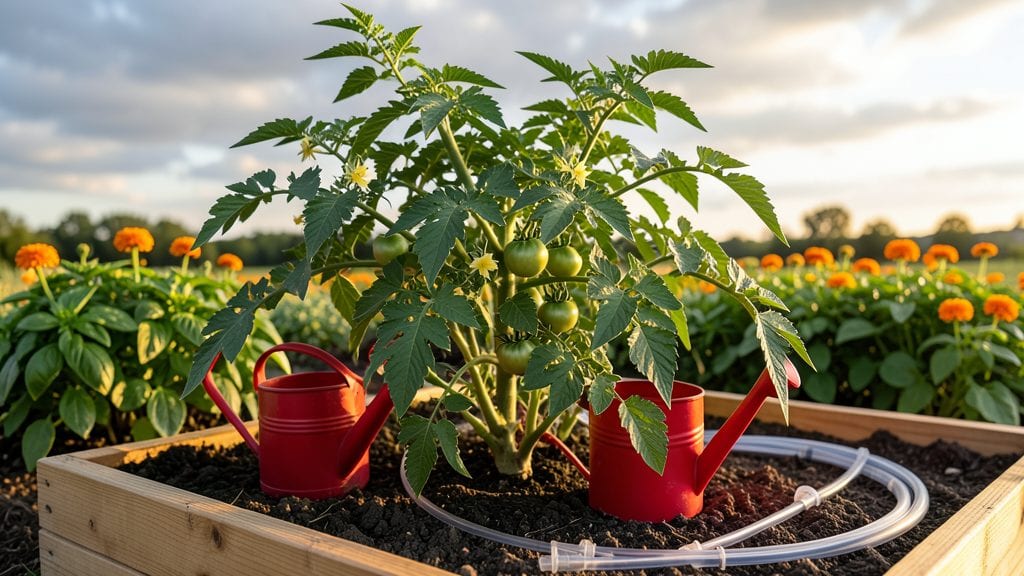
The right watering schedule turns a vegetable garden from struggling to shockingly productive. 🌱 I’ve learned the hard way that timing, depth, and consistency matter more than just dumping water when the soil looks dry.
One summer, my tomatoes bolted because I watered inconsistently—now I follow a science-backed rhythm that keeps roots happy and leaves crisp.
Most veggies need 1–1.5 inches of water per week, split into deep soakings rather than light sprinkles. Morning watering prevents fungal diseases, while afternoon sessions waste more to evaporation. A simple trowel check tells you when to water: if the top 1–2 inches are dry, it’s time.
Drought-tolerant crops like peppers and eggplants handle less, but leafy greens wilt fast without regular moisture.
You’ll see the difference in vibrant green leaves, sturdy stems, and consistent yields—no more sad, droopy plants or cracked soil. The key is matching your schedule to the season: more in summer heat, less in cool spring or fall.
A drip irrigation setup cuts waste and saves time, but even a hose with a gentle flow works if you’re consistent.
This method works for raised beds, in-ground plots, and even container gardens. Once you master it, your veggies will grow like they’re in a greenhouse—without the extra work. Let’s get those roots drinking just the right amount.
📚 In This Guide
- What you need
- Instructions
- Tips and common mistakes
- Wrapping up and next steps
What you need
- ● Hose or watering wand: ¼-inch to ½-inch diameter, with adjustable nozzle (e.g., Garden Hose with Showerhead).
- ○ Watering can (optional for small gardens): 1–2 gallons, with a rose attachment for gentle watering.
- ● Drip irrigation kit (recommended for efficiency): Includes: Mainline tubing (½-inch, 25–50 ft, depending on garden size).
- ● Emitters (1–2 per plant, 1–2 GPH flow rate).
- ○ Connectors, timers (optional), and filters.
- ● Soaker hoses (for row crops): ¼-inch to ½-inch diameter, porous material (e.g., 10–25 ft lengths).
- ● Water storage container (if using rainwater): 5–20 gallons, with a spigot or hose connection.
- ● pH test strips or meter: To monitor water quality (affects nutrient uptake).
- ● Timer (for automation): Programmable hose timer or smart irrigation controller.
- ● Know your soil type: Sandy (dries fast), clay (holds moisture), or loamy (ideal). Adjust watering frequency accordingly!
- ● Sunlight exposure: Note which plants are in full sun (6+ hours) vs. partial shade (they’ll need different watering schedules).
- ● Plant maturity: Seedlings need shallow, frequent watering; mature plants prefer deep, infrequent soaks.
- ● Weather forecast: Plan for rain or heatwaves to avoid over/under-watering.
- ● Moisture meter: Soil probes to check moisture levels (e.g., 3–6 probes for large gardens).
- ● Rainwater barrel: 30–55 gallons with a spigot (reduces tap water use!).
- ● Mulch (straw, wood chips): 2–3 inches thick to retain moisture and suppress weeds.
- ● Self-watering planters: For container veggies (e.g., 5–10 gallon capacity).
- ● Water-saving nozzles: Low-flow or oscillating sprinklers to minimize evaporation.
Step-by-Step guide to watering your vegetable garden
Here's how to keep your veggies thriving with the right watering rhythm—no guesswork involved.
💧 Step 1: Understand Your Plants' Thirst Levels
Not all vegetables drink the same. Leafy greens like lettuce and spinach prefer consistently moist soil, while root crops like carrots and potatoes need less frequent but deeper watering. I always group plants with similar needs together in the garden to simplify care. For example, tomatoes, peppers, and cucumbers all love 1-1.5 inches of water per week, while herbs like basil and parsley do best with 1 inch weekly.
Check soil moisture by sticking your finger 1 inch deep—if it feels dry, it's time to water. If it's still damp, wait another day. Overwatering is just as damaging as underwatering, especially for root vegetables, which can split or rot if soil stays soggy.
☀️ Step 2: Water at the Right Times for Maximum Efficiency
Morning is the best time to water your vegetable garden. Watering between 6-10 AM gives plants all day to absorb moisture before evening heat evaporates it. This also reduces fungal diseases that thrive in damp leaves overnight. If you must water in the evening, do it early enough so foliage dries by dusk.
Avoid watering during the hottest part of the day. Midday sun turns droplets into tiny magnifying glasses, burning leaves. You'll notice crispy edges or brown spots on leaves if you water at peak heat—this is your signal to adjust your schedule.
🌱 Step 3: Use the Right Technique for Deep, Healthy Roots
Never just splash water at the base of plants. Instead, water slowly and deeply to encourage roots to grow downward. I use a soaker hose or drip irrigation system to deliver water directly to the soil, avoiding wet leaves. For hand watering, aim the stream at the base and let it soak in for 10-15 minutes per plant.
Watch for puddling or runoff—this means you're watering too fast. Slow down or break your watering into two shorter sessions. Well-drained soil should absorb water without pooling. If your garden has heavy clay soil, consider adding 2-3 inches of compost to improve drainage and water retention.
⏰ Step 4: Adjust for Weather and Seasonal Changes
Your watering schedule isn't set in stone. During hot, dry spells, you might need to water every 2-3 days instead of weekly. Keep a rain gauge nearby to track natural watering—1 inch of rain usually covers the needs of most vegetables. If you've had 0.5 inches or less of rain in a week, supplement with irrigation.
In cooler months, reduce watering frequency. Plants grow slower when temperatures drop, so they don't need as much moisture. You'll see slower growth and wilting leaves as your first signs that it's time to water again—don't wait until plants look stressed.
🌿 Step 5: Monitor and Troubleshoot Common Issues
Yellowing leaves often signal overwatering or poor drainage. If the soil feels soggy and roots look mushy when you check, you're watering too much. Let the soil dry out slightly between waterings. For underwatering, look for crispy leaf edges or wilting that recovers after watering.
Pests like aphids thrive in damp foliage, so always water at the base. If you notice wilting that doesn't improve after watering, it could be a sign of root rot or disease. Pull up a plant to check the roots—healthy roots should be firm and white, not soft and brown.
Tips & tricks for perfect vegetable garden watering
Here's the thing—getting your garden's watering rhythm down pat makes all the difference between thriving plants and struggling ones.
Plant Grouping Strategy: I can't stress enough how helpful it is to organize your garden by plant families. Leafy greens like lettuce and spinach need that 1-1.5 inches of water weekly consistently, while root veggies like carrots and potatoes prefer less frequent but deeper watering. This simple grouping means you'll only need to adjust your watering approach for each section rather than treating every plant individually.
Soil Moisture Test: That finger-in-the-soil trick from Step 1 is your best friend. After you've watered, stick your finger 1 inch deep—if it feels damp, wait another day. If it's bone dry, it's time to water again. I've found that checking at the same time each day (like every morning before breakfast) creates a helpful routine that prevents both overwatering and underwatering.
Watering Equipment: While hand watering works, I've seen dramatic improvements when switching to a soaker hose or drip irrigation. These deliver water directly to the soil, avoiding wet leaves that can lead to fungal issues. For those 10-15 minutes per plant of deep watering, a soaker hose makes the job effortless. Plus, it saves time and water compared to hand watering.
Seasonal Adjustments: The 2-3 days watering frequency during hot spells is a game-changer. I keep a simple rain gauge near my garden to track natural watering—when we get 1 inch of rain, I can reduce my watering by half. In cooler months, I've learned to watch for wilting leaves rather than following a strict schedule, as plants naturally need less moisture when they're growing slower.
Pro Tips for Watering Veg Garden
- Here's the thing—getting your garden's watering rhythm down pat makes all the difference between thriving plants and struggling ones.
- Plant Grouping Strategy: I can't stress enough how helpful it is to organize your garden by plant families.
- Soil Moisture Test: That finger-in-the-soil trick from Step 1 is your best friend.
Frequently asked questions
Got questions about keeping your veggie garden hydrated?
Here are answers to the most common ones—so you can grow lush, productive plants without the guesswork!
How often should I water my vegetable garden?
Most veggies need 1 to 1.5 inches of water per week, including rainfall. Water deeply 2–3 times per week (early morning is best) to encourage strong roots. Adjust based on soil type—sandy soil drains faster, while clay holds moisture longer. Pro tip: Stick your finger 1 inch into the soil; if it’s dry, it’s time to water!
What’s the best time of day to water my garden?
Water early morning (5–9 AM) to minimize evaporation and fungal diseases. Avoid evening watering, as damp leaves overnight can lead to mildew. If you must water in the heat, do it in the late afternoon and mulch to retain moisture.
Can I use rainwater or collected water for my veggie garden?
Rainwater is chemical-free and ideal for veggies. Collect it in barrels or use a rain garden setup. Just ensure containers are clean to prevent algae. Avoid water from roofs treated with copper or asphalt, as these can harm plants.
Why are my vegetable leaves wilting even after watering?
Wilting can mean overwatering, underwatering, or poor drainage. Check soil moisture first—if it’s soggy, reduce watering. If dry, water deeply. Also, inspect roots for rot (common in compacted soil) or pests like aphids. Fix it: Loosen soil, improve drainage, and adjust your watering schedule.
How do I water veggies during extreme heat or drought?
In extreme heat, water deeply every 2–3 days (or daily for shallow-rooted plants like lettuce). Use drip irrigation or soaker hoses to deliver water slowly at the base. Mulch heavily (2–3 inches) to lock in moisture. For drought-prone areas, opt for drought-tolerant veggies like zucchini or Swiss chard.
Wrapping up and next steps
Mastering the art of watering your veggie garden isn’t just about keeping plants alive—it’s about unlocking their full potential! 🌱 By following a science-backed schedule, adjusting for your climate, and using the right techniques, you’ll harvest healthier, more abundant crops. Remember: consistency and observation are key.
Ready to put your newfound knowledge into action? Start with one or two plants this week, track their progress, and refine your approach. Soon, your garden will thrive—and so will your confidence! 🌿✨