
Picking
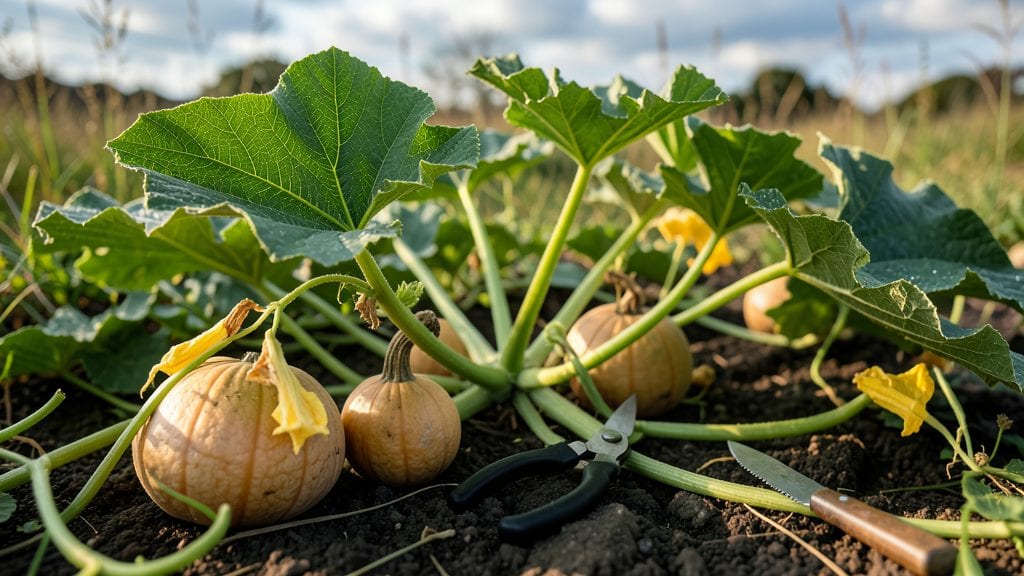
Picking butternut squash at the right time transforms your garden harvest from meh to mouthwatering—think creamy, sweet flesh instead of tough, bland disappointment.
Harvesting too early means rubbery texture and wasted effort, while waiting too long risks frost damage or overripe squash that spoils faster. But how do you know when your 🎃 is truly ready to pick?
Look for five key visual cues: a hard, tan skin that resists pressure, a dried stem near the fruit, and a deep golden color at the neck. The squash should also feel heavy for its size and rattle slightly when shaken.
In this guide, I’ll walk you through each of these signs, plus the best time of day to harvest and how to store your butternut squash for maximum freshness after the pick.
5 Visual cues to identify perfectly ripe butternut squash
Harvesting butternut squash at the right time transforms your garden into a treasure trove of sweet, nutty flavor—but timing is everything. One week too early, and you’ll end up with bland, watery flesh. Too late, and the squash becomes tough and stringy.
The secret lies in these 5 visual cues that science-backed gardeners use to determine peak ripeness. Understanding these signs ensures you harvest at the perfect moment, maximizing both taste and storage life.
Butternut squash ripens gradually, and each clue builds on the last. Start by examining the skin color, which shifts from pale green to a rich, golden tan. This isn’t just about aesthetics—it’s a biological signal that the squash’s starches have converted to sugars, making it sweeter.
Pair this with other indicators like stem dryness and skin hardness, and you’ll have a foolproof system for harvesting at its prime.
Here’s the game-changer: these cues work together like a checklist. Ignore one, and you risk misjudging ripeness. For example, a squash might look golden but still feel soft—meaning it’s not fully matured. That’s why I’ve broken down each visual signal in detail, so you can cross-reference them like a pro.
Let’s dive into the 5 can’t-miss signs that your butternut squash is ready to pick.
-
1. Skin Color Shift
Look for a deep, tan or beige hue—not green. The rind should have a matte finish, not glossy. This color change signals full starch-to-sugar conversion.
-
2. Stem Dries and Dies Back
The stem near the squash should shrink and turn brown. If it’s still green or plump, the squash needs more time. A dry stem means nutrients have fully transferred to the fruit.
-
3. Skin Hardness Test
Press your fingernail into the skin. If it doesn’t pierce easily, the squash is ready. Soft spots mean it’s underripe—wait a few more days.
-
4. Heavy for Its Size
A ripe butternut squash feels dense and heavy when lifted. Lightweight squash are often waterlogged or immature. Lift a few to compare!
-
5. Seed Cavity Maturity
Cut a small slice near the stem to check the seed cavity. Seeds should be plump and mature, not shriveled or still developing. This confirms the squash is biologically ready.
Pro Tip: Cross-check all 5 cues—even one off can mean the difference between perfect and disappointing flavor! 🎃
Now that you’ve mastered the visual cues, let’s talk about what happens when you miss the mark. Picking too early? Your squash will lack that caramel-like sweetness we all love. Too late, and the flesh becomes grainy and fibrous, ruining texture.
But here’s the good news: if you’ve nailed the visual signs, your butternut squash will store for 2-3 months in a cool, dry place—keeping that harvest magic alive long after the garden season ends.
One of my biggest mistakes early on was relying solely on color to judge ripeness. I’d see a squash turn golden and assume it was ready—only to find it still soft inside. That’s why I now use a fingernail test as my backup.
It’s a quick, no-equipment-needed way to confirm hardness. Pair that with the stem check, and you’ve got a foolproof system. Trust me, your future self (and your taste buds) will thank you!
Butternut squash also sends subtle signals about the environment. For example, if your squash is ripening in hot, dry weather, it might mature faster. In cooler climates, give it extra time.
Always harvest before the first frost, as cold temperatures can turn the flesh mushy. Keep an eye on your local forecast—this is your final cue to act.
Here’s a pro move: Harvest in the morning when temperatures are cooler. This reduces stress on the squash and makes it easier to handle. Use a sharp knife or pruners to cut the stem, leaving a 1-inch attachment to help the squash cure properly.
After harvesting, let your squash cure in the sun for 10 days—this hardens the skin and intensifies the flavor. It’s like a natural sweetening process!
Let’s talk about size—because yes, it matters. A perfectly ripe butternut squash typically weighs 2-4 pounds. Smaller squash (under 2 pounds) are often underripe, while larger ones (over 5 pounds) can be overmature.
Size alone isn’t the final word, but it’s a great starting point. Combine it with the other cues, and you’ll never second-guess your harvest again.
One last tip: Rotate your squash occasionally while it’s curing. This prevents uneven skin hardening and ensures all sides develop properly. Place them on a wooden pallet or mesh rack to allow airflow—this keeps them dry and prevents rot.
A well-cured squash will have a thick, papery skin that’s nearly impenetrable to your fingernail. That’s your ultimate sign of success!
Butternut squash harvest mistakes: when to avoid picking too early or too late
Harvesting butternut squash at the wrong time can turn your hard work into a disappointing, bland, or even inedible result. Picking too early leaves you with watery, underdeveloped fruit, while waiting too late risks tough flesh and poor storage life.
The key lies in recognizing subtle but critical signs that your squash is ready—or past its prime.
One of the biggest mistakes gardeners make is relying on color alone to determine ripeness. While a deep tan or beige skin is a good sign, it’s not the only indicator. Texture and weight play equally important roles in ensuring your butternut squash is harvested at peak flavor and quality.
Ignoring these cues can lead to squash that’s either too soft or overly fibrous.
Another common error is harvesting after the first frost. While butternut squash can tolerate light frosts, prolonged cold exposure destroys flavor and makes the flesh mushy. Even if the skin looks fine, the interior may already be compromised. Understanding these pitfalls will help you avoid wasting your garden’s bounty.
⚠️ Critical Harvest Warning: Don’t Pick Too Early or Too Late!
Too Early: Skin is soft, color is pale, and fruit is lightweight. These squash will be watery and bland, lacking the sweet, nutty flavor you crave. Never harvest when you can easily pierce the skin with your fingernail.
Too Late: Look for these overripe signs: shriveled skin, soft spots, or a hollow stem base. Overripe squash develops tough, stringy flesh and spoils faster, even in storage. Harvest before seeds become too large—they should be mature but not dominant.
Pro Tip: Use the "thumb test"—press gently on the skin. If it springs back, it’s ready. If it dents, wait a few days.
If you’ve already harvested squash that’s slightly underripe, don’t toss it! Leave it on the vine for another 3-5 days to mature fully. For overripe squash, you can still use the flesh in soups or baked dishes, but expect a less sweet, more fibrous texture.
The key is to act quickly—once squash starts rotting, there’s no saving it.
Storage is another area where timing matters. Perfectly ripe butternut squash stores for months in a cool, dry place, while underripe or overripe squash spoils within weeks. Aim to harvest when the stem dries and detaches easily—this indicates the squash has reached its sugar peak.
A dry stem also reduces the risk of rot during storage.
Keep an eye on your garden’s first frost date—butternut squash should be harvested 2-3 weeks before the first expected frost. If frost hits early, prioritize harvesting the largest, most mature squash first.
Smaller, younger squash can wait a few more days, but don’t risk it if temperatures drop below 40°F (4°C).
By mastering these cues, you’ll ensure your butternut squash is sweet, flavorful, and long-lasting. The difference between a perfect harvest and a disappointing one often comes down to just a few extra days on the vine—or off.
Pay attention, and your garden will reward you with squash that’s truly worth the effort! 🎃