
Picking
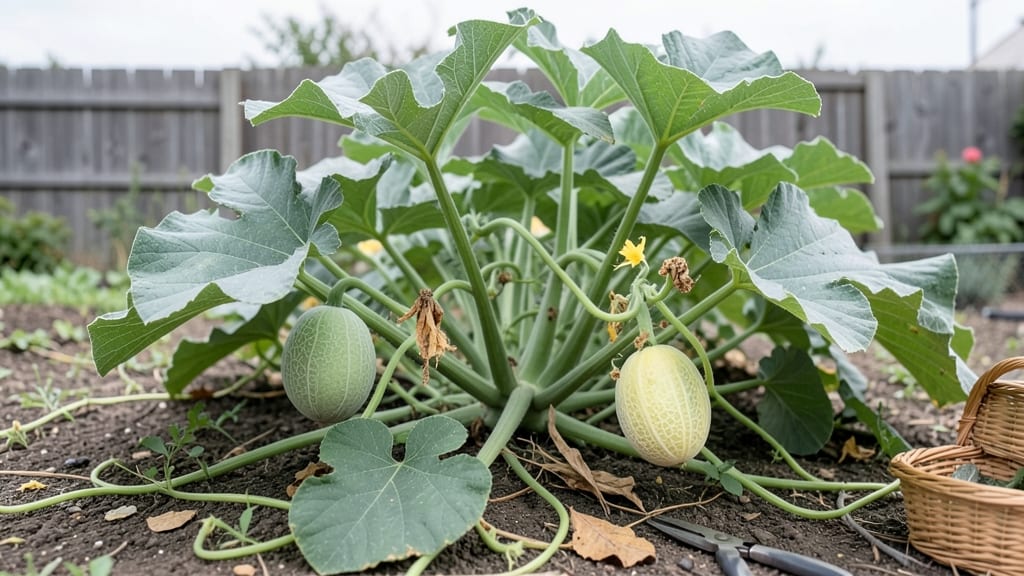
To pick cantaloupe from your garden at its sweetest, timing is everything—wait too long and the flavor fades, harvest too soon and you’ll miss out on that perfect creamy texture.
Picking cantaloupe at the wrong time means sacrificing sweetness and texture—here’s how to know exactly when your homegrown 🍈 is ready for harvest. One wrong move, and you’ll end up with fruit that’s either rock-hard or mealy instead of juicy and fragrant.
Most gardeners miss the best window because they rely on days since planting rather than visual cues. But the truth is, cantaloupes don’t ripen evenly, and checking just one fruit can’t tell you when the whole vine is ready.
Below, I’ll walk you through the three foolproof signs that guarantee peak ripeness—plus how to test them like a pro so you never miss the harvest again.


3 Visual signs your cantaloupe is perfectly ripe
There’s nothing worse than biting into a cantaloupe that’s still hard on the inside or overripe and mushy. The good news? Your cantaloupe’s ripeness is written all over it—literally.
With just a few visual checks, you can tell exactly when to harvest for that sweet, juicy perfection we all crave. I’ve learned this the hard way after picking cantaloupes too early (tasteless!) and too late (soggy!). Here’s what to look for to nail that sweet spot every time.
First, let’s talk about the color transformation that happens as cantaloupes ripen. The rind starts dull green or grayish when young but gradually shifts to a creamy yellow or tan when ripe. This change isn’t just about looks—it’s a sign the sugars are concentrating inside the fruit.
Pay special attention to the blossom end (the side that faced the vine), which should turn a pale yellow or beige color. If it’s still green, your cantaloupe needs more time on the vine.
Now, here’s where things get interesting: the stem separation test. When your cantaloupe is ready, the stem should slip away easily with just a gentle twist. If it takes effort to pull the stem free, the fruit isn’t ripe yet.
This is one of my favorite tricks because it’s foolproof—no guesswork involved. Pro tip: If the stem snaps off cleanly but the fruit feels firm, it’s not quite there yet. Wait another day or two.
Finally, don’t underestimate the power of aroma. A ripe cantaloupe emits a sweet, musky fragrance near the stem end. If you’re standing near your vine and you can’t smell anything, your fruit isn’t ready.
But when that intoxicating sweetness hits you, it’s a clear signal to grab your harvesting tools. This scent is your cantaloupe’s way of saying, “I’m ready for you!”
| Sign | Not Ready (🟢) | Perfectly Ripe (🟡) | Overripe (🤒) |
|---|---|---|---|
| Rind Color | Dull green or gray | Creamy yellow/tan (especially at blossom end) | Yellow with soft spots or wrinkles |
| Stem Separation | Stem won’t budge or snaps with force | Stem slips easily with gentle twist | Stem falls off on its own |
| Aroma | No scent or slight vine smell | Strong, sweet, musky fragrance near stem | Fermented or sour smell |
| Weight & Feel | Light for size, firm to touch | Heavy for size, slightly soft when squeezed gently | Very heavy, mushy or squishy |
| Skin Texture | Smooth, hard, and slightly waxy | Slightly netted, dull near stem end | Soft, wrinkled, or cracked |
Let’s talk about weight and texture—this is where many gardeners miss the mark. A ripe cantaloupe feels heavy for its size because it’s packed with juice and sugars. If you lift it and it feels light and hollow, it’s not ready.
Give it another week or two. When you gently press your thumb into the blossom end, it should yield slightly (like pressing your thumb into a ripe peach). If it’s rock-hard or squishy, it’s not quite right.
One mistake I’ve seen even experienced gardeners make is ignoring the blossom end. The area where the cantaloupe attached to the vine is the best indicator of ripeness. Look for a creamy yellow color and a slightly dull sheen—this is where the magic happens.
If this spot is still green or shiny, your cantaloupe needs more time. Think of it as the “sweetness window” of the fruit.
Here’s a pro tip I picked up from a local farmer: harvest in the morning. Cantaloupes ripen best when temperatures are cooler, and picking them early in the day means they’ll stay fresher longer.
Plus, the aroma test works best when the air is crisp and scent molecules are more concentrated. If you’re harvesting in the heat of the afternoon, you might miss that tell-tale sweetness because the scent can get masked by the vine’s natural odors.
How to test cantaloupe ripeness beyond appearance
While visual cues like rind color and stem separation are helpful, your hands and nose hold the secret to perfect cantaloupe ripeness. I’ve learned that relying only on what you see can lead to fruit that’s either too firm or overripe.
The real magic happens when you engage your senses—especially touch and smell—because these reveal what’s happening inside the fruit.
Cantaloupes ripen unevenly, so even if one fruit looks ready, its neighbor might still need days. That’s why I always test multiple fruits in a patch before harvesting. The thumb pressure test and aroma check are my go-to methods for confirming ripeness beyond the surface.
These techniques help me avoid the disappointment of bland or seedy cantaloupe, ensuring every bite is sweet and juicy.
- 1. Thumb Pressure Test: Press your thumb into the blossom end (opposite the stem). If the skin yields slightly but doesn’t dent deeply, the fruit is ripe. A hard surface means it’s underripe, while excessive give signals overripeness.
- 2. Stem Separation: Gently twist the stem end with your fingers. A ripe cantaloupe will slip free with minimal force. If the stem resists, wait 1-2 more days.
- 3. Aroma Check: Hold the cantaloupe near your nose and sniff the stem end. A powerful, sweet fragrance (like honeydew or musk) confirms ripeness. No smell? It’s not ready yet.
- 4. Weight Test: Lift the fruit—ripe cantaloupes feel heavy for their size due to concentrated sugars. A light fruit is likely underripe.
- 5. Netting Check: Examine the skin near the stem. Ripe cantaloupes develop a dull, creamy netting that’s less glossy than unripe fruit.
Don’t underestimate the power of smell—it’s often the most reliable indicator. I’ve harvested cantaloupes that looked perfect but had no aroma, only to find them bland inside. A strong scent guarantees sweetness, while a faint or musky odor can signal spoilage.
Pro tip: Test fruits in the late morning when temperatures are warmer, as heat intensifies aromas and makes the thumb pressure test more accurate.
The stem separation technique is my favorite because it’s foolproof. I’ve seen cantaloupes with creamy rinds that still needed days to ripen, but the stem test never lies. If the stem pops off easily, that’s your cue to harvest.
Pair this with the thumb test, and you’ll nail the sweet spot every time. Over the years, I’ve found that cantaloupes ripen faster in hot, dry weather, so I check them daily during heatwaves.
Once you’ve confirmed ripeness, harvest by cutting the stem with pruners about 1 inch above the fruit. This prevents bruising and extends shelf life. Store ripe cantaloupes at room temperature for up to a week, or refrigerate to slow ripening if you’re not ready to eat them.
The key is acting quickly—once picked, cantaloupes won’t sweeten further.
Remember, every cantaloupe vine is unique. Some varieties ripen faster, while others take their time. By mastering these tactile and sensory tests, you’ll develop an intuition for when your cantaloupes are at their peak. Trust your senses, and you’ll always enjoy the sweetest, most flavorful harvest. Happy harvesting! 🍈